





Excoriated acne, also known as picker's acne or *acné excoriée des jeunes filles*, is a specific type of skin picking disorder characterized by a repetitive, compulsive urge to pick, scratch, or squeeze pimples. This condition goes beyond typical occasional pimple popping, leading to significant physical changes in the skin, such as scarring, and often contributing to further emotional distress. Understanding the triggers, symptoms, and consequences
of excoriated acne is vital for addressing this often underdiagnosed and undertreated condition.
The Compulsive Urge and Its Triggers
Individuals with excoriated acne experience an irresistible impulse to manipulate their pimples. This urge can be triggered by various factors, including stress, negative feelings, or even boredom. Acne itself occurs when hair follicles become clogged with oils, dead skin cells, and bacteria, leading to inflammation. The sensations of tingling, itching, or pain associated with pimples can intensify the desire to pick at them. After physically manipulating a pimple, individuals often report feeling a temporary sense of relief, which is then frequently followed by guilt. This cycle of impulse, action, and subsequent emotional response is a hallmark of the disorder.
Excoriated acne is distinct from other excoriation disorders because the picking is specifically focused on acne spots. In broader excoriation disorders, individuals might pick at any part of their skin, including healthy areas. People with excoriated acne are also more likely to admit to causing the irritated spots, which can be a crucial step in diagnosis. The condition is considered a form of obsessive-compulsive disorder and can be associated with other psychiatric conditions or serve as a coping mechanism for stress. Despite its prevalence, excoriated acne is often underdiagnosed and undertreated, partly because many individuals are uncomfortable discussing their skin picking habits or may not even realize the extent of their actions.
Physical and Emotional Consequences
The physical manipulation of pimples in excoriated acne can lead to a range of adverse skin changes. After picking, swelling and inflammation at the site are common, and the pimple may turn into an open sore. Individuals with this condition may also pick at the scabs that form after the initial manipulation, prolonging the healing process. When acne lesions are picked, they can take significantly longer to heal, sometimes up to several months, compared to unpicked lesions. The use of tools like tweezers can further increase the amount of skin damage and scarring.
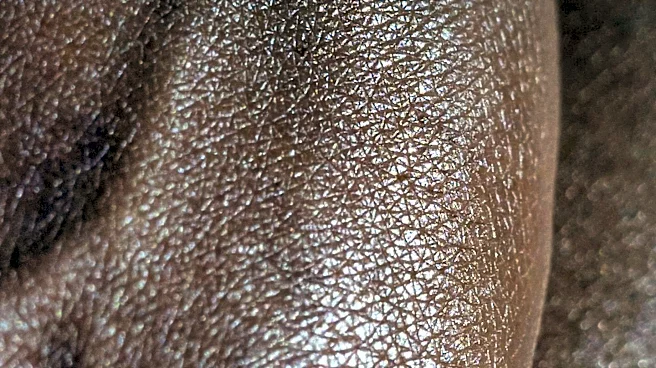
Excoriated acne lesions are most frequently found on the face, where acne commonly occurs and is easily accessible to the hands. However, picking can also occur on other accessible areas, such as the back, sometimes forming a "butterfly sign" where areas difficult to reach are spared. A significant consequence of excoriated acne is the potential for changes in skin color, including hyperpigmentation (darker spots) or hypopigmentation (lighter spots) where pimples previously were. People with darker skin tones are particularly susceptible to more frequent and severe hyperpigmentation. Beyond the physical scars, excoriated acne can lead to profound emotional and psychological impacts, such as low self-esteem, anxiety, embarrassment, and social withdrawal, significantly reducing the individual's quality of life. If the skin picking is not triggered by an acute stressor, the prognosis is generally poor, as skin picking disorders are often chronic, recurring throughout a person's life.