




The crash of Ozark Air Lines Flight 809 on July 23, 1973, was a tragic event that claimed 38 lives. While several factors contributed to the accident, the role of severe weather conditions was significant. This article examines how weather impacted the flight and ultimately led to the disaster.
Thunderstorms and Downdrafts
As Flight 809 approached St. Louis International Airport, it encountered severe weather conditions. Thunderstorm cells surrounded the area, and the flight entered
this turbulent zone at 5:32 PM. The pilot warned passengers of turbulence, and the controller informed the crew of thunderstorms directly in their path.
The weather was not only turbulent but also dangerous, with reports of a tornado near Ladue, Missouri. Although the tornado was not confirmed, the presence of strong downdrafts was evident. These downdrafts played a crucial role in pushing the aircraft below the glide slope, leading to the crash.
Lightning Strikes and Evasive Maneuvers
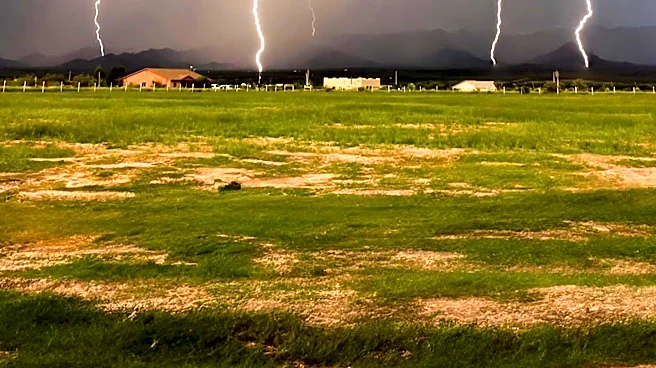
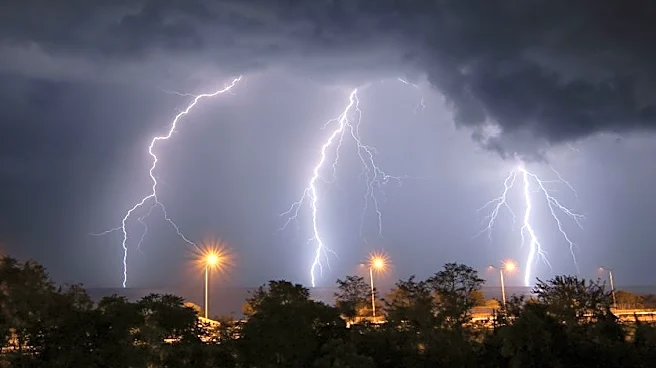
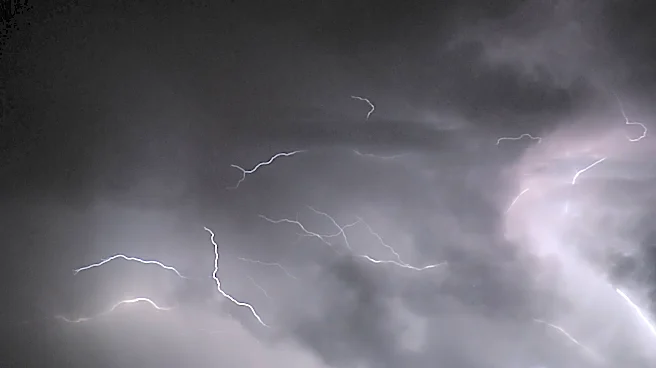
Witnesses reported seeing the aircraft ascend and then rapidly descend before being struck by lightning. The lightning strike added to the chaos, as the aircraft performed evasive maneuvers in an attempt to stabilize. Despite these efforts, the plane crashed into a wooded ravine near Normandy, Missouri.
The lightning strike was a critical factor, as it likely disoriented the crew and affected their ability to control the aircraft. The severe weather conditions, including heavy rain and strong winds, compounded the challenges faced by the flight crew.
The Investigation's Weather Findings
The investigation into the crash highlighted the impact of weather on the accident. The high winds and downdrafts in the storm cell were determined to have pushed the plane below the glide slope. The crew's evasive actions were not enough to counteract the powerful weather forces.
Questions arose about the controller's communication with the flight crew regarding the severity of the storm. The investigation suggested that better communication and awareness of the weather conditions might have led to different decisions by the flight crew, potentially avoiding the crash.