









The 1980s marked a significant period of cultural debate in the United States, particularly concerning the content of popular music. At the heart of this discussion was the Parents Music Resource Center (PMRC), an organization founded by a group of prominent Washington D.C. wives, including Tipper Gore. The PMRC's primary concern was the perceived increase in explicit lyrical content in music, which they believed was harmful to young listeners. Their
efforts culminated in a highly publicized Senate hearing in 1985, a pivotal event that brought together musicians, politicians, and concerned parents to debate the future of music regulation.
Formation and Initial Concerns of the PMRC
The Parents Music Resource Center emerged in the mid-1980s as a response to what its founders saw as a growing problem in the music industry. The group, composed of several politically connected women, including Tipper Gore, wife of then-Senator Al Gore, expressed alarm over lyrics they deemed sexually explicit, violent, or promoting drug use. They argued that such content was easily accessible to children and could negatively influence their development and behavior. The PMRC's initial actions involved compiling lists of songs they found objectionable, which they referred to as the "Filthy Fifteen." These lists were intended to highlight the types of music they believed required parental guidance.
The organization's concerns were not isolated; they tapped into a broader societal anxiety about youth culture and the perceived decline of moral standards. The PMRC's efforts quickly gained traction, leading them to advocate for a system that would inform parents about the lyrical content of records. Their ultimate goal was not outright censorship, but rather a voluntary labeling system by the music industry, similar to movie ratings, to help parents make informed decisions about the music their children consumed.
The Landmark 1985 Senate Hearing
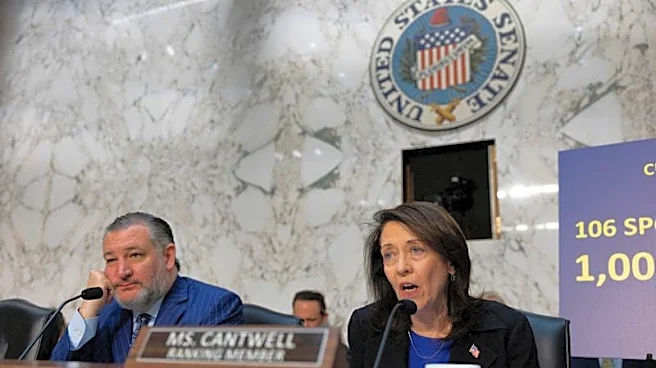
The PMRC's advocacy reached a critical juncture with the 1985 Senate hearing. This event provided a national platform for both the proponents and opponents of music labeling to present their arguments. Testifying before Congress were several prominent musicians who vehemently opposed the PMRC's proposals, viewing them as a form of censorship that threatened artistic freedom. Among these were Dee Snider of Twisted Sister, John Denver, and Frank Zappa, all of whom offered powerful testimonies against the imposition of lyrics labeling laws.
Dee Snider, for instance, delivered a speech that he later recreated in the 2002 film "Warning: Parental Advisory," arguing passionately for the right of artists to express themselves without government or organizational interference. Frank Zappa, known for his outspoken views, also testified against censorship, emphasizing the importance of free speech. The hearing became a cultural flashpoint, highlighting the tension between artistic expression and parental concerns about protecting children. The film "Warning: Parental Advisory" specifically focuses on the testimonies of Snider, Denver, and Zappa, underscoring the significance of their participation in this historic debate.
The Aftermath: Parental Advisory Label
The direct outcome of the 1985 Senate hearing and the PMRC's persistent lobbying was the implementation of the "Parental Advisory" label. While the PMRC initially sought a more detailed rating system, the music industry ultimately agreed to a more generalized warning label for albums containing explicit content. This black-and-white sticker, typically featuring the words "Parental Advisory: Explicit Content," became a ubiquitous sight on albums across various genres.
This labeling system, though a compromise, represented a significant shift in how the music industry addressed concerns about lyrical content. It aimed to provide parents with a clear indicator of potentially objectionable material without resorting to government-mandated censorship. The "Parental Advisory" label, which is still in use today, stands as a lasting legacy of the PMRC's efforts and the intense debates of the 1980s surrounding music, censorship, and parental responsibility. The film "Warning: Parental Advisory" further chronicles the formation of the PMRC and its lasting impact on music during this era.