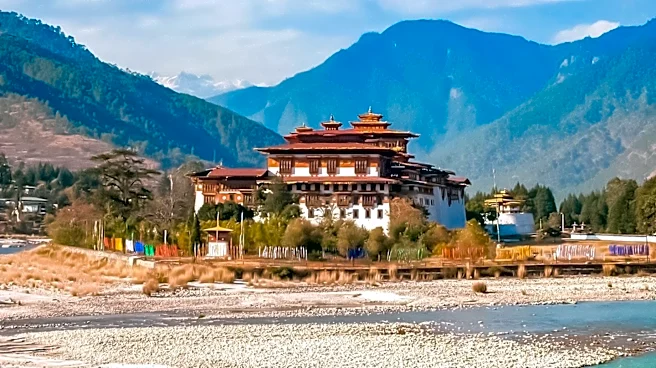







In a world where economic growth is often the primary measure of a country's success, Bhutan stands out with its commitment to Gross National Happiness (GNH). This unique approach prioritizes the well-being of its citizens and the preservation of cultural and environmental values over mere economic indicators. Bhutan's dedication to GNH has shaped its development policies and influenced various aspects of life in the country.
The Philosophy of Gross National Happiness
Gross National Happiness
is a development philosophy introduced by Bhutan's fourth king, Jigme Singye Wangchuck, in the 1970s. It emphasizes the importance of balancing economic growth with cultural preservation, environmental sustainability, and social well-being. The concept of GNH is deeply rooted in Bhutan's Buddhist values, which prioritize compassion, contentment, and harmony with nature.
The government of Bhutan has integrated GNH into its policy-making process, ensuring that development initiatives align with the country's cultural and environmental priorities. This approach has led to the implementation of various programs aimed at improving education, healthcare, and infrastructure while preserving Bhutan's unique cultural heritage and natural environment.
Impact on Development Policies
Bhutan's commitment to GNH has significantly influenced its development policies. The government has prioritized sustainable practices in sectors such as agriculture, forestry, and tourism. For instance, the cautious expansion of the tourism sector focuses on attracting upscale, environmentally conscientious tourists, minimizing the impact on Bhutan's cultural and natural resources.
In the agricultural sector, Bhutan has maintained traditional farming practices that support biodiversity and ecological balance. The government has also implemented policies to ensure sustainable forest management, recognizing the importance of forests in maintaining the country's environmental health and supporting the livelihoods of many Bhutanese.
Challenges and Future Prospects
While Bhutan's focus on GNH has brought numerous benefits, it also presents challenges. The country's economy remains heavily reliant on India for trade and financial assistance, making it vulnerable to external economic fluctuations. Additionally, foreign investment is limited by stringent regulations aimed at protecting Bhutan's cultural and environmental values.
Despite these challenges, Bhutan's commitment to GNH offers a promising path for sustainable development. By prioritizing the well-being of its citizens and the preservation of its cultural and natural heritage, Bhutan has set an example for other countries seeking to balance economic growth with social and environmental considerations. As Bhutan continues to navigate the complexities of modern development, its unique approach to happiness and well-being remains a guiding principle for the nation's future.