







Parking meters have played a crucial role in shaping urban traffic management policies. Initially introduced as a tool to alleviate downtown congestion, these devices have become integral to the way cities manage on-street parking and traffic flow. This article examines the impact of parking meters on urban mobility and the strategies employed by municipalities to optimize their use.
Addressing Traffic Congestion
In the early 20th century, American cities faced significant challenges
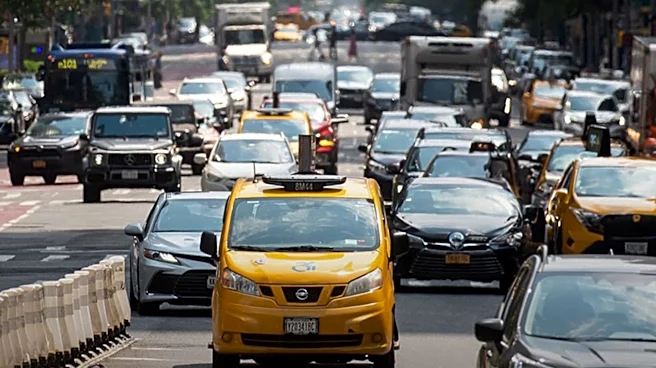
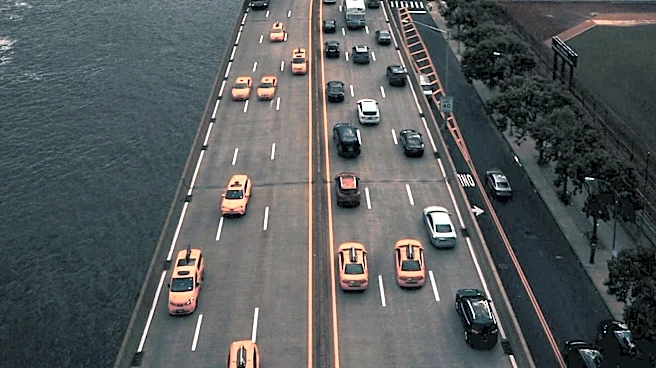
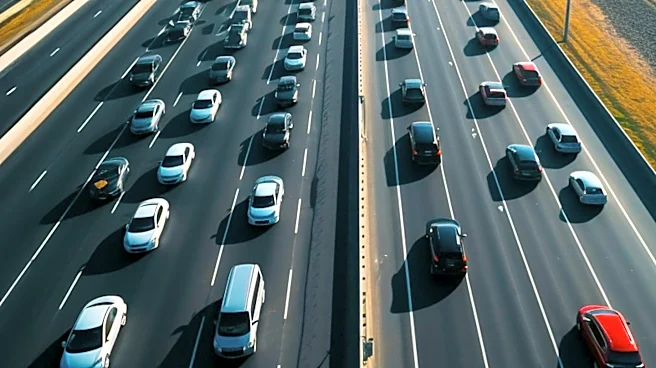
with downtown traffic congestion. Merchants identified unenforced curbside parking as a major contributor to this issue, as it discouraged customers from visiting areas with limited parking availability. The introduction of parking meters in the 1930s provided a solution by regulating parking duration and encouraging turnover.
Parking meters allowed cities to enforce time limits on parking spaces, ensuring that more vehicles could access high-demand areas throughout the day. This not only improved traffic flow but also increased the availability of parking for shoppers and visitors. By charging a fee for parking, meters also incentivized drivers to vacate spaces promptly, further enhancing turnover and reducing congestion.
Revenue Generation and Policy Enforcement
Beyond traffic management, parking meters have become a significant source of revenue for municipalities. The fees collected from meters, along with fines for over-parking, provide cities with funds that can be reinvested into infrastructure and public services. By the mid-20th century, American cities were generating millions of dollars annually from parking meters, highlighting their financial importance.
The revenue generated from parking meters also supports the enforcement of parking policies. Cities employ parking enforcement officers, often referred to as "meter maids," to monitor compliance and issue citations for violations. This enforcement not only ensures adherence to parking regulations but also deters illegal parking practices that can disrupt traffic flow.
Technological Innovations and Future Directions
As technology has advanced, so too have parking meters. The transition from mechanical to digital meters in the 1980s introduced new capabilities, such as electronic payment options and remote monitoring. These innovations have made it easier for cities to manage parking resources and for drivers to pay for parking conveniently.
Looking ahead, the integration of smart technologies and mobile applications promises to further enhance the effectiveness of parking meters. Cities are exploring solutions like dynamic pricing, which adjusts parking fees based on demand, and real-time data analytics to optimize parking availability. As urban areas continue to grow, parking meters will remain a vital tool in managing traffic and mobility, adapting to the evolving needs of modern cities.