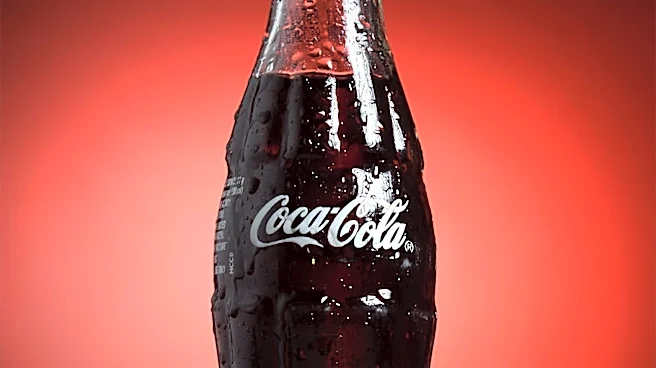










The introduction of New Coke in 1985 is often cited as one of the most significant marketing blunders in history. However, it also provides valuable lessons in consumer behavior, brand loyalty, and the risks of altering a successful product. This article delves into the marketing strategies behind New Coke, the consumer response, and the lessons that can be learned from this infamous episode.
The Strategy Behind New Coke
In the early 1980s, Coca-Cola was losing market share to
Pepsi, which had successfully positioned itself as the choice of a new generation. The Pepsi Challenge, a series of blind taste tests, suggested that consumers preferred Pepsi's sweeter taste over Coca-Cola. In response, Coca-Cola decided to reformulate its product to create a sweeter version, hoping to capture the preferences of younger consumers.
The decision to launch New Coke was based on extensive market research and taste tests, which indicated that the new formula was preferred over both Pepsi and the original Coca-Cola. The company believed that the change would revitalize the brand and boost sales. However, the strategy underestimated the emotional connection that consumers had with the original formula.
Consumer Reaction and Brand Loyalty
The launch of New Coke was met with immediate backlash from loyal Coca-Cola drinkers. The negative response highlighted the importance of brand loyalty and the emotional attachment that consumers can have to a product. Despite the taste tests favoring the new formula, many consumers felt betrayed by the change and demanded the return of the original Coca-Cola.
The backlash was not just limited to individual consumers. Coca-Cola's bottlers, who had initially supported the change, began to express concerns about the new product's reception. The company faced mounting pressure to address the growing dissatisfaction. The episode demonstrated that consumer loyalty is not solely based on product attributes but also on the brand's identity and heritage.
Lessons Learned
The New Coke experience offers several lessons for marketers. First, it underscores the importance of understanding consumer emotions and the role they play in brand loyalty. While market research and taste tests are valuable tools, they cannot fully capture the emotional connection that consumers have with a brand.
Second, the episode highlights the risks of altering a successful product. While innovation is essential for growth, it must be balanced with an understanding of consumer expectations and brand identity. Finally, the swift reintroduction of Coca-Cola Classic demonstrated the company's ability to listen to its consumers and adapt to their demands, ultimately reinforcing its brand strength.
In conclusion, the New Coke saga serves as a cautionary tale for marketers, emphasizing the need to balance innovation with consumer loyalty and brand heritage.