




The medieval scriptorium was a bustling workshop where the intricate art of manuscript production unfolded. Far from being a solitary endeavor, the creation of a single book involved a specialized division of labor, with various skilled individuals contributing to different stages of the process. This collaborative environment, typically found within monastic complexes, was essential for transforming raw materials into the illuminated texts that preserved
knowledge and faith. From the preparation of writing surfaces to the final binding, each step was meticulously executed, reflecting a dedication to craft that defined medieval bookmaking.
Specialized Roles in Manuscript Creation
Within the scriptorium, a hierarchy of roles ensured the efficient production of manuscripts. Calligraphers were the masters of beautiful handwriting, dedicated to producing precious books that were often works of art in themselves. Copyists, on the other hand, handled the bulk of the textual reproduction, including basic production and correspondence. Their work was foundational, ensuring the accurate transfer of text from one manuscript to another. After the text was copied, correctors stepped in. Their critical task involved assembling the written sheets and meticulously comparing the newly copied work against the original manuscript to catch any errors or discrepancies. This role was vital for maintaining textual integrity.
Beyond the text, the visual appeal of manuscripts was enhanced by illuminators and rubricators. Illuminators were artists who painted illustrations, often incorporating delicate pieces of gold leaf to add splendor and light to the pages. Alluminators specifically focused on the precise placement of these gold leaves. Rubricators specialized in painting initial letters and headings in red, a practice that gave them their name and helped to organize the text visually. Finally, once all the pages were complete, binders took on the crucial task of assembling and binding the individual sheets into a cohesive codex or manuscript, creating the finished book. This division of labor allowed for a high degree of specialization and quality control in the production process.
Tools, Materials, and Techniques of the Scribe
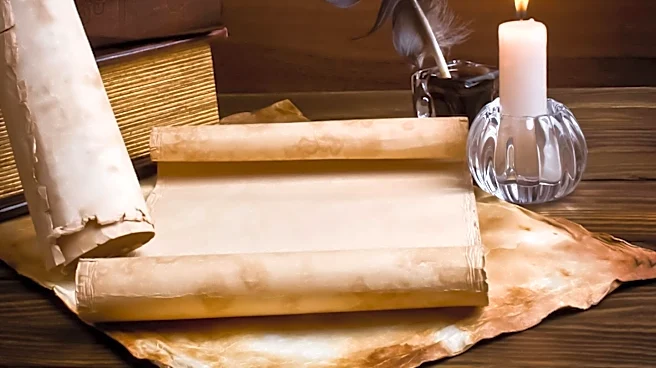
The scribes and artists in a scriptorium relied on a specific set of tools and materials. Essential writing implements included pens, ink, and penknives, which were used for sharpening quills and scraping errors. Rulers and awls were indispensable for preparing the page; awls were used to prick tiny holes along the margins, which then served as guides for drawing straight horizontal lines across the page. These lines, typically around 26 per sheet, ensured that the writing remained uniform and neat. Lecterns provided an angled surface for comfortable writing and easy viewing of the source text. The *armarius*, or monastery librarian, was responsible for supplying all these materials and overseeing the entire copying operation, often holding other significant duties within the monastery.
The primary writing surface for centuries was parchment, especially after papyrus became scarce and expensive following the Islamic conquest of Egypt in the mid-7th century. Parchment was made from the treated skins of domestic animals such as cows, sheep, and goats. The most prized form, vellum, was derived from calfskin, known for its superior quality and smoothness. The preparation of parchment involved several stages: cutting the skins into sheets, perforating them, ruling them with lines, and smoothing the surface to create an ideal writing medium. These preparatory steps were well-understood and extensively documented, highlighting the systematic approach to manuscript production.
The Process of Illumination and Beyond
Once the parchment was prepared and the text copied, the process of illumination would begin. Interestingly, the miniature illustrations were often executed separately from the main text. This artistic work typically occurred after the text had been fully written but before the book was bound. It was common for illuminators to work in different environments and sometimes even months after the scribes had completed their part. This separation allowed for specialized artistic focus without interrupting the textual copying process. The finished pages, with their carefully copied text and vibrant illustrations, would then be gathered and bound by the legators, completing the transformation from animal skin and ink to a durable, beautiful book.
Monastic scriptoria not only produced copies of existing works but also served as centers for original composition. Scribes often wrote new works, not just biblical texts or commentaries. Furthermore, scriptoria sometimes developed unique graphic styles, such as distinct letterforms that could identify the origin of a manuscript, like the characteristic 'a' and 'b' of Corbie or the 'a' and 'z' of Laon, which were variations of Merovingian script. This blend of meticulous craft, artistic expression, and intellectual endeavor made the scriptorium a cornerstone of medieval culture and learning.