




Polenta, a traditional Italian dish, is far more versatile than its simple description as "boiled cornmeal" might suggest. While it can be served hot as a comforting porridge, its true adaptability shines through its ability to cool and solidify into a firm loaf. This transformation opens up a world of culinary possibilities, allowing polenta to be baked, fried, or grilled, and served in myriad ways across different cuisines. From its foundational
ingredients to its varied textures and serving suggestions, polenta demonstrates a remarkable range that has elevated it from a humble staple to a sophisticated culinary component.
Ingredient Choices and Textural Differences
The primary ingredient for polenta is typically yellow maize, or cornmeal. However, the choice of grain is not limited to yellow corn. Buckwheat, white maize, or even mixtures of these grains can be used, each contributing a unique flavor and color profile to the final dish. For instance, in the Northeast Italian region of Veneto, a distinction is made between yellow polenta (*polenta gialla*) and white polenta (*polenta bianca*). White polenta, made from a lighter, hulled variety of corn, offers a less intense flavor than its yellow counterpart and is often served with fish, seafood, or vegetables. Its softer texture also makes it suitable for sweet desserts.Beyond the type of grain, the grind of the cornmeal significantly impacts the polenta's texture. Coarse grinds result in a firm, robust polenta, while finer grinds produce a softer, creamier consistency. In Lombardy and Piedmont, a preference for polenta made from coarse cornmeal is common. A specific type of polenta called *Bramata*, also made from coarse corn grits, is particularly popular in Italian-speaking Switzerland. This range of ingredient and grind options allows for a tailored polenta experience, catering to diverse palates and culinary applications.
Cooking Methods and Culinary Applications
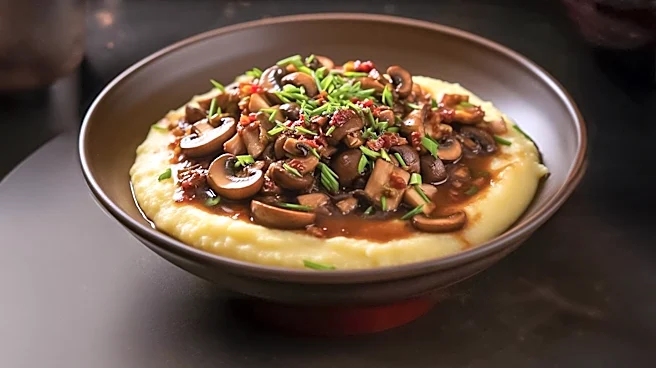
Polenta's versatility extends to its preparation and serving methods. While traditionally cooked by simmering cornmeal in liquid for an extended period with constant stirring, modern techniques have emerged to streamline the process. Quick-cooking or pre-cooked instant polenta is widely available, reducing preparation time to mere minutes, though some connoisseurs consider it inferior to polenta made from unprocessed cornmeal. Even traditional slow-cooked methods have seen innovations, with some approaches allowing for less constant stirring over several hours, or even microwave preparations that significantly cut down cooking time.Once prepared, polenta can be enjoyed in various forms. As a hot porridge, it serves as a hearty base, often accompanied by grated Parmesan cheese or rich meat dishes in regions like Piedmont, Lombardy, and Veneto. When allowed to cool, it solidifies into a loaf that can be sliced and further prepared. These slices can be baked, fried, or grilled, transforming the soft porridge into a crispier, more substantial accompaniment or even a standalone dish. This solidified form is particularly popular for serving with meat stews, wild game, chicken, or beef, showcasing polenta's ability to complement a wide array of main courses and adapt to different culinary presentations.