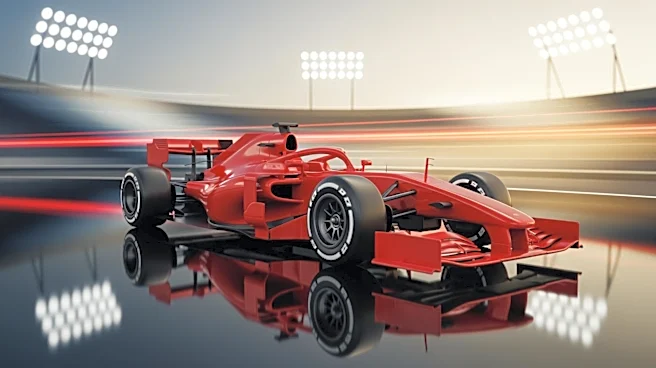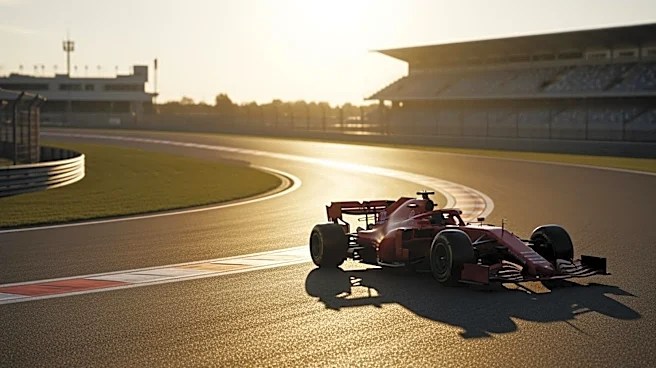





The warm-up lap, also known as the parade lap, formation lap, or pace lap, is a crucial component of motorsport races. This lap occurs before the official start of a race, allowing drivers to navigate the track at a slower speed. The warm-up lap serves multiple purposes, from ensuring safety to preparing vehicles for optimal performance. This article delves into the significance of the warm-up lap across different racing formats, highlighting its
essential role in motorsport.
Ensuring Safety and Track Conditions
One of the primary purposes of the warm-up lap is to ensure that track conditions are safe for racing. During this lap, drivers can assess the circuit for any potential hazards or changes in surface conditions. This is particularly important in motorsport, where even minor track imperfections can lead to significant consequences. The warm-up lap allows drivers to identify any issues and adjust their strategies accordingly, ensuring a safer race for all participants.
In addition to checking track conditions, the warm-up lap provides an opportunity for drivers to ensure that their vehicles are functioning correctly. This includes checking the brakes, steering, and other critical systems. By identifying any mechanical issues during the warm-up lap, teams can address them before the race begins, reducing the risk of accidents or breakdowns during the competition.
Preparing Vehicles for Optimal Performance
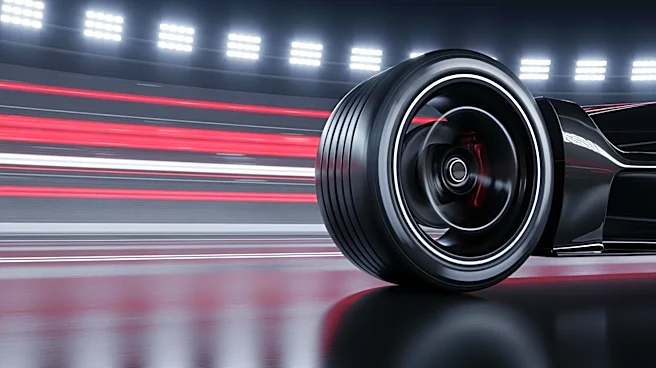
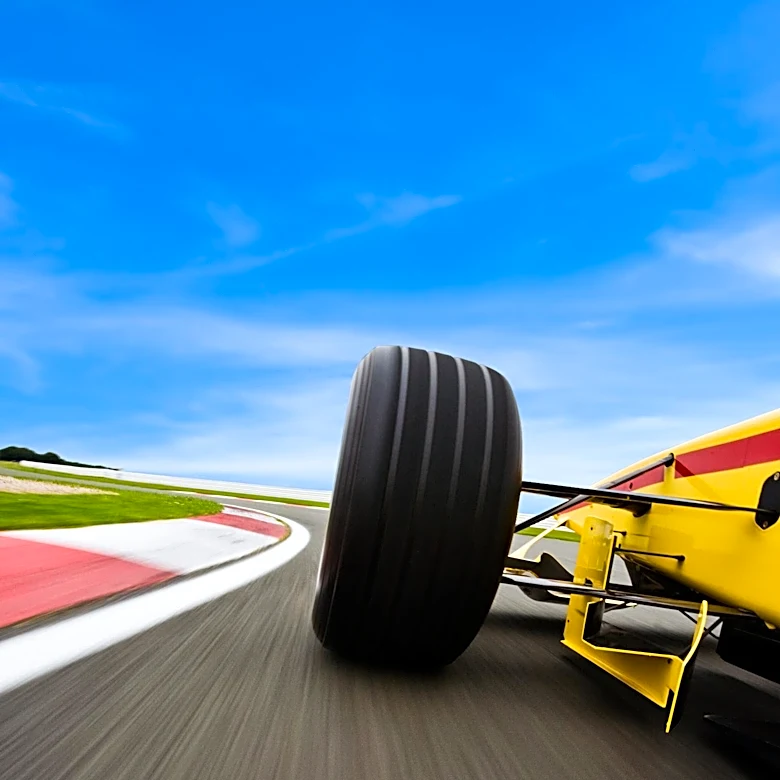
The warm-up lap is also essential for preparing vehicles for optimal performance. One of the key aspects of this preparation is warming up the tires. Cold tires can significantly impact a vehicle's grip and handling, making it challenging for drivers to maintain control. During the warm-up lap, drivers often weave their cars from side to side to generate heat in the tires, improving traction and stability once the race starts.
In addition to warming up the tires, the warm-up lap allows drivers to bring their brakes up to the optimal temperature. Properly heated brakes are crucial for effective stopping power, especially in high-speed racing scenarios. By ensuring that both tires and brakes are at the right temperature, drivers can maximize their performance and competitiveness during the race.
Variations Across Motorsport Disciplines
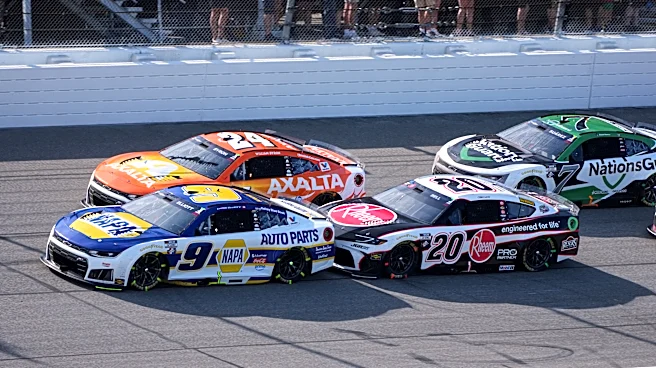
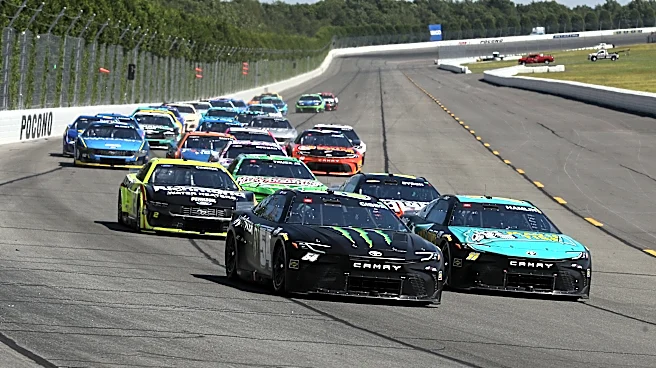
While the warm-up lap is a common feature in many motorsport disciplines, its execution can vary. In Formula One, it is officially known as the formation lap, and any car that fails to leave the grid before the last qualifier must start from the pit lane or the back of the grid. In NASCAR, the warm-up lap is referred to as the pace lap, with the safety car maintaining the same speed as the pit lane limit.
These variations highlight the adaptability of the warm-up lap to different racing formats, each with its unique requirements and regulations. Despite these differences, the fundamental purpose of the warm-up lap remains consistent: to ensure safety, prepare vehicles, and set the stage for an exciting and competitive race.