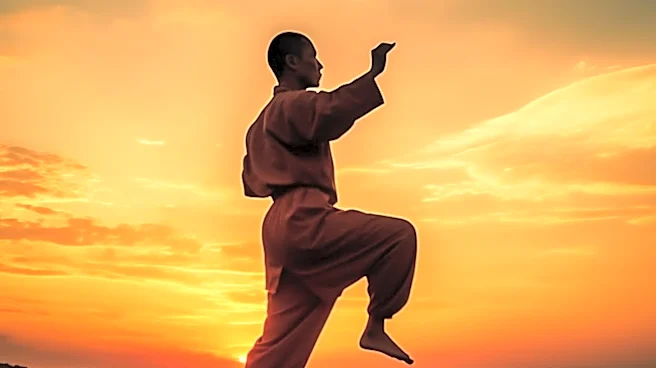




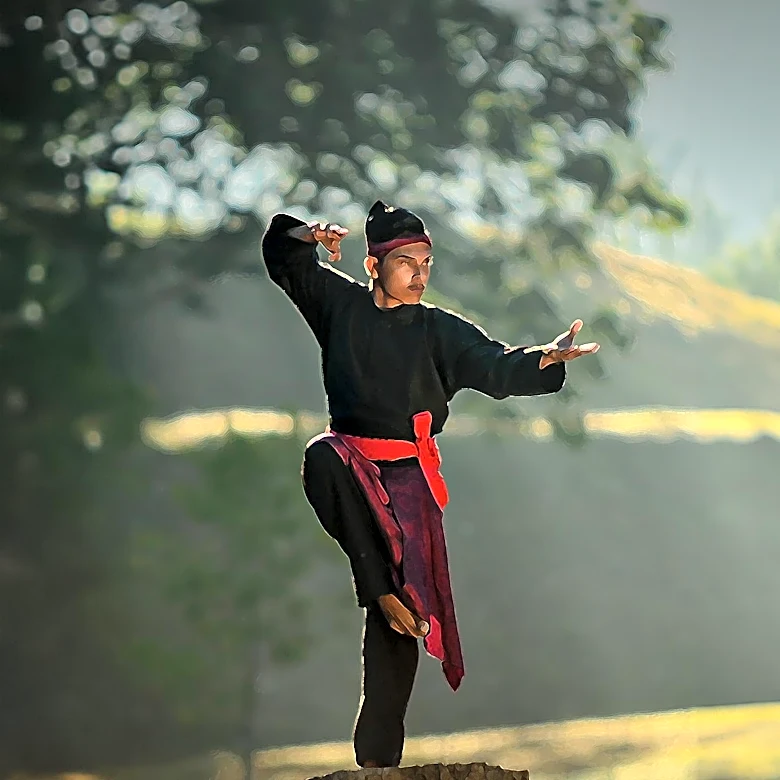




Martial arts have a rich and varied history, evolving from ancient combat systems to modern practices that encompass self-defense, sport, and cultural heritage. Originally rooted in the traditions of East Asia, martial arts have expanded globally, influencing and being influenced by various cultures. This article explores the historical development of martial arts, highlighting key milestones and transformations that have shaped these practices over
time.
Ancient Origins and Early Development
The origins of martial arts can be traced back to ancient civilizations, where combat systems were developed for self-defense, military training, and sport. In Ancient Greece, martial arts were an integral part of the Olympic Games, with events like boxing, wrestling, and pankration showcasing the skills of athletes. Similarly, the Romans popularized gladiatorial combat as a form of public entertainment, further embedding martial arts into the cultural fabric of the time.
In Asia, martial arts have deep historical roots, with early forms emerging in China and India. The Warring States period in China saw significant advancements in martial philosophy and strategy, as documented in Sun Tzu's "The Art of War." Meanwhile, in India, the Sangam literature provides evidence of early combat techniques that would later influence the development of Kalaripayattu, one of the oldest martial arts still practiced today.
The Spread and Diversification of Martial Arts
As martial arts evolved, they began to spread across regions, adapting to local cultures and needs. The medieval period saw the documentation of various martial arts in Asia and Europe. In Japan, the establishment of the samurai class led to the development of martial arts like jujutsu and kendo. Chinese martial arts flourished during the Ming dynasty, with treatises like Ji Xiao Xin Shu detailing combat techniques.
In Europe, the Middle Ages produced combat manuals that outlined styles such as sword and shield fighting. These manuals, along with the rise of sport fencing in the 19th century, contributed to the development of modern European martial arts. The exchange of martial knowledge between East and West during this time laid the groundwork for the global spread of martial arts in the 20th century.
Modern Martial Arts and Global Influence
The 20th century marked a significant turning point for martial arts, as they gained international recognition and popularity. The rise of martial arts films, particularly those featuring Bruce Lee, played a crucial role in introducing these practices to a global audience. This period also saw the formalization of martial arts into sports, with judo and taekwondo becoming Olympic events.
Today, martial arts are practiced worldwide, with millions of enthusiasts engaging in disciplines ranging from traditional styles like karate and kung fu to modern hybrids like mixed martial arts (MMA). The cultural exchange and adaptation of martial arts continue to shape their evolution, ensuring that these ancient practices remain relevant and dynamic in the modern world.