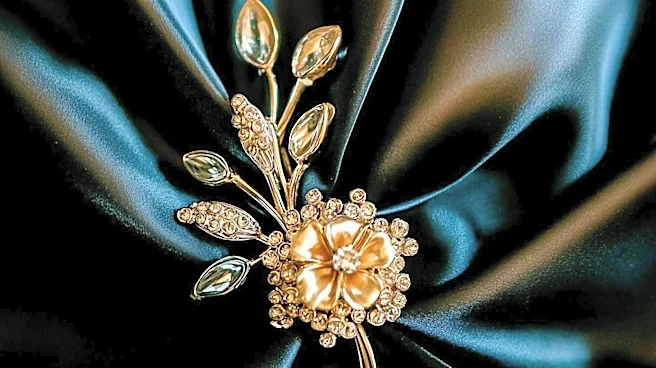









Brooches have a fascinating history that spans centuries, evolving from simple clothing fasteners to intricate pieces of jewelry. Originally designed to secure garments, brooches have transformed into decorative items that reflect cultural and artistic trends. This article explores the journey of brooches from their utilitarian origins to their status as symbols of fashion and craftsmanship.
Ancient Origins and Practical Use
Brooches, known as fibulae in ancient times, were initially
created to fasten clothing. These early brooches were based on the safety-pin principle, serving a practical function for both men and women. The earliest known brooches date back to the Bronze Age, highlighting their long-standing presence in human history. As metalworking technology advanced during the Iron Age, brooches became more elaborate, incorporating techniques like casting and wire making.
In ancient Europe, brooches were not only functional but also decorative, often indicating social status. Celtic craftsmen, for instance, created fibulae adorned with red enamel and coral inlay as early as 400 BC. These brooches were essential for fastening clothes, yet their intricate designs also served as markers of prestige and identity.
Medieval Transformations
During the Migration period, brooches underwent significant stylistic changes. Germanic tribes developed brooches that combined Late Roman and new Germanic art forms, resulting in vibrant and technically superior jewelry. The brooches of this era featured techniques like repoussé, filigree, and enamelling, with a particular emphasis on inlay. The use of color became a defining characteristic, with precious stones like almandine garnet adding vibrancy to the designs.
Brooches from the Anglo-Saxon period in England showcased a variety of styles, including circular and long brooches. By the 7th century, brooches had declined in popularity but reemerged in the 8th century, continuing to be fashionable through the end of the Anglo-Saxon era. The circular form became predominant, with styles like the annular and jewelled disc brooches gaining favor.
The Artistic Flourish of Celtic and Scandinavian Brooches
Celtic brooches, particularly the Tara Brooch, represent a distinct tradition of elaborate decoration. These brooches were crafted with techniques and styles unique to Celtic artisans, showcasing inventiveness and complexity. The Tara Brooch, dating to the late 7th or early 8th century, is renowned for its intricate design and craftsmanship, serving as a ceremonial insignia for high-ranking individuals.
Scandinavian brooches, influenced by Germanic Animal Style decoration, emerged during the Viking Age. These brooches featured intricate carvings and animal motifs, reflecting the lively decorative style of the period. The Viking art styles, including Jellinge and Borre, contributed to the unique aesthetic of Scandinavian brooches, which were often made of copper alloy or silver.