





In the realm of hand and wrist support, various devices exist, each designed for specific purposes. While terms like "wrist wrap," "wristband," and "wrist brace" might sometimes be used interchangeably in casual conversation, they refer to distinct items with unique functions, materials, and applications. Understanding these differences is crucial for selecting the appropriate support, whether for combat sports, general activity, injury rehabilitation,
or even fashion. This article will clarify the specific roles and characteristics of each, highlighting why a hand wrap for a boxer is fundamentally different from a wristband or a medical wrist brace.
The Specialized Function of Hand Wraps
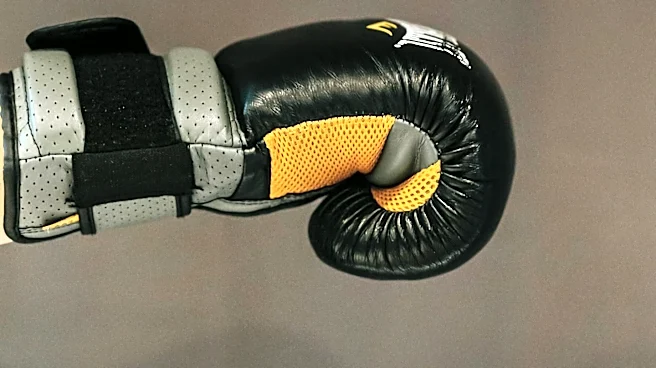
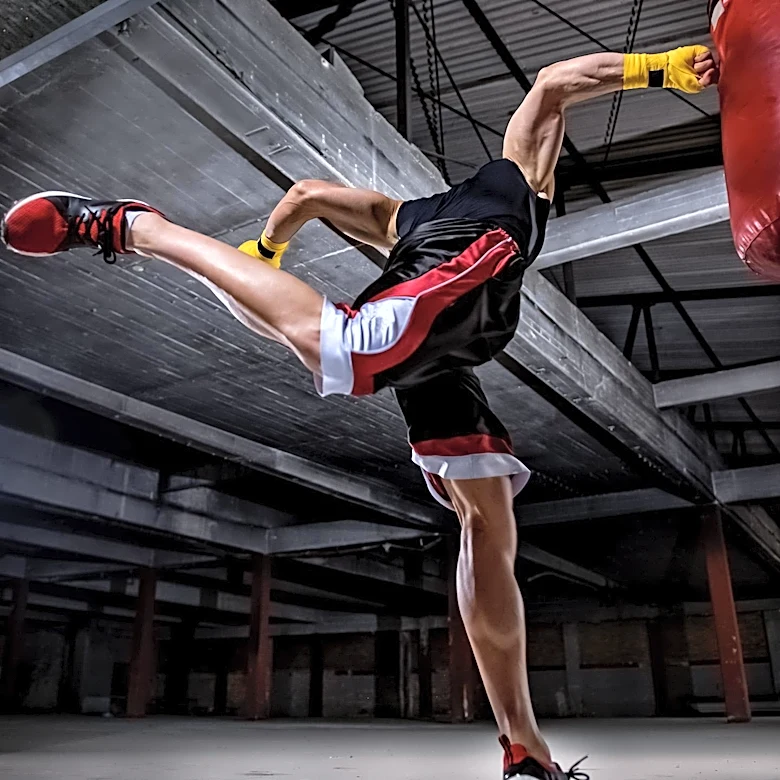
A hand wrap, often referred to as a wrist wrap in the context of boxing, is a strip of cloth specifically designed for boxers and participants in other combat sports. Its primary purpose is to protect the hand and wrist against injuries induced by punching. It is wrapped securely around the wrist, the palm, and the base of the thumb. This intricate wrapping serves to both maintain the alignment of the joints and to compress and lend strength to the soft tissues of the hand during the impact of a punch. The benefits are multifaceted: it supports the wrist joint, secures the base of the thumb to reduce sprains or fractures, and significantly strengthens the metacarpus, thereby reducing the likelihood of a "boxer's fracture." Furthermore, hand wraps compress the bones and tissues, allowing boxers to hit with greater force and claim to feel less pain. Materials range from gauze and tape for competition to reusable cloth (non-elastic or elasticized "Mexican-style") for training, with lengths varying based on preference and glove type.Wristbands: Versatility Beyond Support
In contrast to the specialized protective role of hand wraps, wristbands are encircling strips worn on the wrist or lower forearm that serve a much broader range of purposes, often unrelated to structural support during high-impact activities. The term "wristband" can refer to a bracelet-like band, the cuff of a sleeve, or decorative or functional bands. They are commonly used for identification purposes, such as loops of plastic at events to demonstrate authorization for entry. Sweatbands, typically made of towel-like terrycloth, are another type of wristband used to wipe sweat from the forehead during sports, though they can also be worn as a badge or fashion statement.Silicone wristbands became popular in the early-to-mid-2000s, worn to demonstrate support for a cause or charitable organization, sometimes called "awareness bracelets." They are also sold as merchandise at concerts and sporting events. Hospital wristbands are a critical safety device for identifying patients, often laser-printed or thermal-imaged with personal identifiers, medical record numbers, and barcodes, or used as extra safety reminders for allergies or fall risks. UV-sensitive wristbands change color in sunlight, serving as reminders to apply sunscreen. Clearly, wristbands are diverse in form and function, but their primary roles do not involve the compression and structural reinforcement required for punching.
Wrist Braces: Rehabilitation and Reinforcement
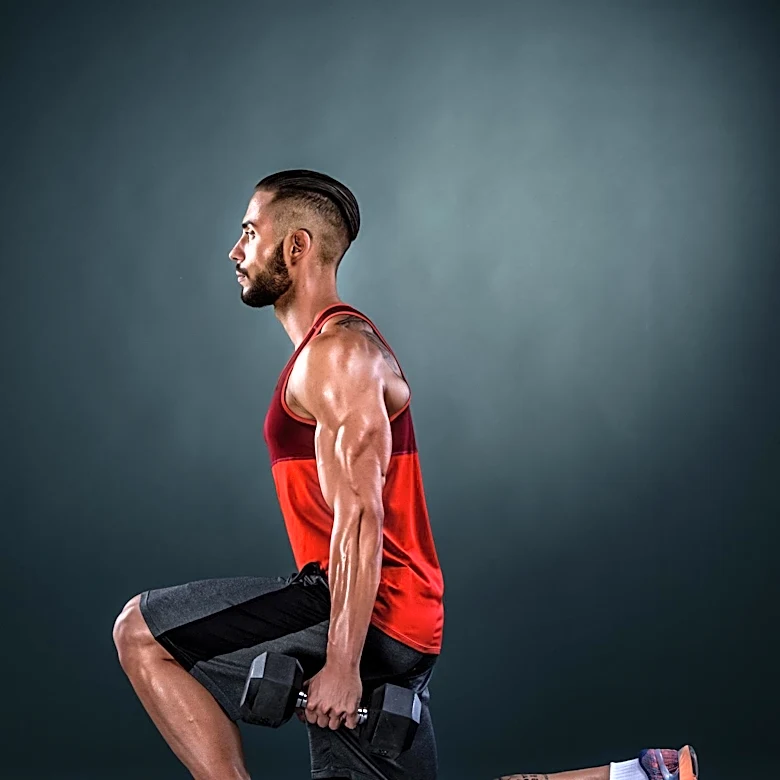
Wrist braces represent another distinct category of wrist support, primarily focused on reinforcement, protection against strains and sprains, or acting as a splint to aid healing. They are common accessories in injury rehabilitation processes, designed to immobilize the joint and provide heat and compression to the wrist bones and ligaments. Wrist braces are typically made with rigid tissue nylon fabrics or neoprene, allowing limited mobility of the hand and wrist, and are usually fixed with Velcro. In severe cases, they may incorporate metal "spines" to better immobilize the joint.Indications for wrist braces include wrist trauma (with or without fracture), joint immobilization, postoperative synovitis, recurrent degenerative sprains, or articulation inflammations. In sports, wrist braces have a protective role in activities where wrists require extraordinary effort, such as weight lifting or bodybuilding, where the pressure around the wrist can prevent sprains and strains. They are also used in sports involving paddles or rackets, like tennis, paddle, badminton, or hockey. Some sports braces may even have a dual purpose, protecting the wrist from injuries while also wiping sweat, for which they are made of absorbent materials like cotton or plush. While both hand wraps and wrist braces offer support, the brace's emphasis is often on immobilization or reinforcement for specific strenuous activities or recovery, rather than the dynamic compression for punching force that hand wraps provide.