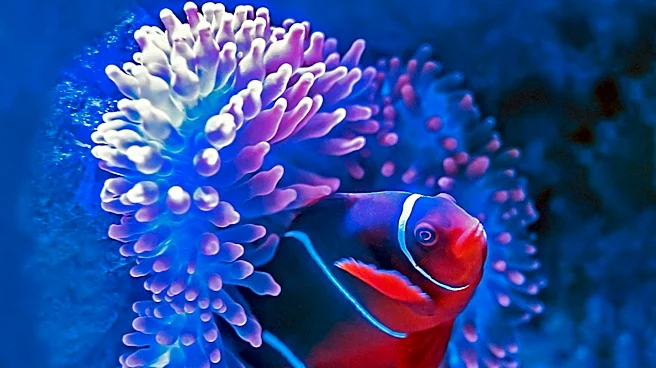




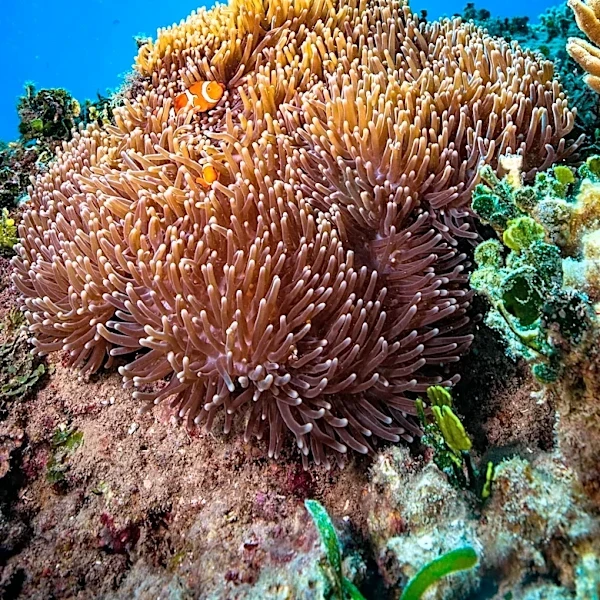



The life cycle of a clownfish is a fascinating journey marked by intricate reproductive behaviors, a pelagic larval stage, and a remarkable ability to change sex. These vibrant inhabitants of coral reefs exhibit a structured approach to breeding, with specific roles for the dominant male and female. From the moment eggs are laid and fertilized, through their development as free-swimming larvae, to their eventual settlement as juveniles and ascent
through a social hierarchy, each stage is critical. The ultimate transformation from male to female highlights a unique biological strategy that ensures the continuation of their species within their anemone homes.
Reproduction and Early Development
Clownfish breeding patterns are influenced by their environment. In tropical waters, they can breed year-round, while in more temperate regions, such as around Japan, breeding primarily occurs during spring and summer. Reproduction is exclusive to the dominant female and male within a group, and it often aligns with the full moon phase. Leading up to spawning, the pair engages in courtship rituals, where the male may chase and nibble the female, and display his fins while positioning himself in front of or alongside her.
Once courtship is complete, both the male and female prepare a nest by meticulously cleaning a nearby rock, typically close to their host anemone. The female then deposits her eggs onto this prepared surface, and the male fertilizes them. A single clutch can contain up to a thousand eggs, which are conical, about 3–4 mm long, and adhere to the rock via short fibers. The male takes on the primary role of parental care, diligently cleaning and guarding the fertilized eggs, as well as fanning them with his pectoral fins to ensure proper oxygenation. Incubation lasts approximately six to seven days, during which the eggs darken from a bright orange as the embryos develop visible eyes. Hatching typically occurs at night.
The Larval Stage and Metamorphosis
Upon hatching, clownfish enter their larval and pelagic (open ocean) stage. This phase is relatively short, lasting up to 12 days, which is considerably briefer than the larval stage of some other damselfishes that can extend for 70 days. Initially, larval clownfish are transparent, with only their eyes, yolk sac, and some pigment spots visible. As they develop, they undergo metamorphosis, growing in size and developing their fins, sensory organs, internal organs, notochord flexion, and characteristic coloration.
During this pelagic stage, clownfish larvae can disperse widely, carried by ocean currents. For instance, the Oman anemonefish has been recorded traveling over 400 km. As they transition into the juvenile stage, these young clownfish begin their descent to the ocean floor, seeking out an anemone host to settle in. This marks a shift to a more diurnal (daytime) lifestyle. Juveniles continue to grow and develop their adult coloration, but they cannot produce sex cells until they ascend to a dominant position within a group.
The Path to Dominance and Sex Change
Clownfish are protandrous hermaphrodites, meaning they are born male and can later change sex to become female. Juveniles possess both ovarian and testicular tissue within their gonads. When a juvenile becomes a breeding male, the testicular tissue expands, displacing the ovarian tissue. If a male then transitions to a female, the ovarian tissue expands and fully absorbs the testicular tissue. This sex change is a gradual process, initiated by an increase in body size and feminization of the brain, followed by gonadal changes, and finally, behavioral adjustments. This entire transformation can take anywhere from months to several years.
Clownfish are long-lived for their size, with some individuals living for over 20 years. The orange clownfish, for example, is estimated to reach up to 30 years of age. This extended lifespan, combined with their unique reproductive strategies and sex-changing abilities, contributes to their success and resilience in their complex marine environments.