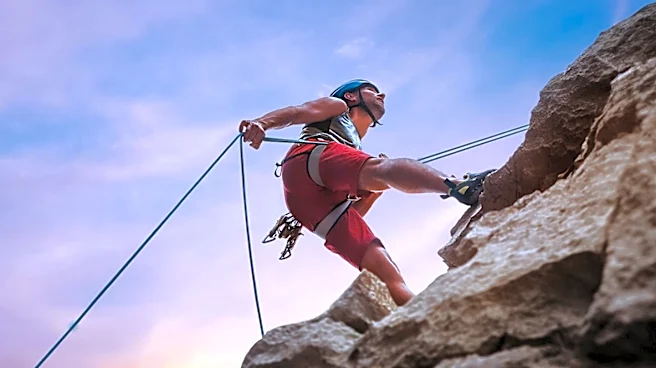

Sport climbing has emerged as a popular and distinct discipline within the broader world of rock climbing. Characterized by the use of pre-drilled bolts for protection, sport climbing offers a safer and more
accessible way for climbers to tackle challenging routes. This article delves into the history and growth of sport climbing, highlighting its unique features and appeal.
Origins and Development
The origins of sport climbing can be traced back to the early 1980s when leading French climbers sought to ascend routes that lacked natural features for traditional protection. This led to the controversial practice of bolting natural rock faces, which allowed climbers to focus on the physical and technical challenges of the climb without the added risk of placing protection.
Despite initial resistance from traditional climbing purists, sport climbing quickly gained popularity due to its emphasis on safety and accessibility. The use of permanent bolts meant that climbers could push their limits on difficult routes without the fear of a fall resulting in serious injury. This shift in focus from protection to performance marked a significant turning point in the evolution of rock climbing.
Features and Appeal
Sport climbing is defined by its use of fixed protection, typically in the form of bolts drilled into the rock face. Climbers use quickdraws to clip their ropes into these bolts as they ascend, providing a secure anchor point in the event of a fall. This setup allows climbers to concentrate on the physical and technical aspects of the climb, rather than the placement of protection.
The discipline is known for its emphasis on athleticism and technique, with routes often featuring challenging sequences of moves that require strength, balance, and precision. Sport climbing has become a popular choice for both novice and experienced climbers, offering a controlled environment to develop skills and push personal limits.
Impact on Climbing Culture
The rise of sport climbing has had a profound impact on climbing culture, influencing the development of new climbing areas and the establishment of climbing gyms. The discipline's focus on performance and competition has led to the creation of indoor climbing walls, where climbers can train and compete in a controlled setting.
Sport climbing has also played a significant role in the advancement of climbing grades, with many of the world's hardest routes being established as sport climbs. The discipline's emphasis on pushing physical and technical boundaries has inspired a new generation of climbers to explore the limits of what is possible in the sport.
As sport climbing continues to grow in popularity, it remains a dynamic and evolving discipline that challenges climbers to reach new heights. Its emphasis on safety, performance, and accessibility has made it a cornerstone of modern rock climbing.