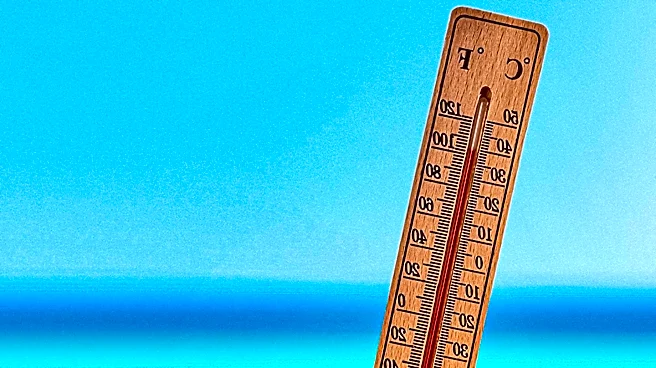








The 2024 heat waves in North America had a profound impact on infrastructure across the region. As temperatures soared to unprecedented levels, the strain on power and water systems became evident. The heat waves, which began in March and lasted until September, highlighted the vulnerabilities in infrastructure and the need for adaptation to extreme weather conditions.
Power Outages and Energy Challenges
One of the most immediate impacts of the heat waves was the strain on power systems.
In Mexico, the high temperatures combined with lighter seasonal rainfall led to decreased water levels, affecting energy production from hydroelectric dams. This resulted in power blackouts, particularly in areas heavily reliant on hydroelectric power.
In the United States, the demand for electricity surged as people relied on air conditioning to cope with the heat. This increased demand put additional pressure on the power grid, leading to outages in some areas. In Phoenix, Arizona, the heat waves contributed to a significant number of heat-related deaths, underscoring the critical role of reliable power in maintaining public health during extreme weather events.
Water Shortages and Rationing
The heat waves also exacerbated water shortages across the region. In Mexico, the persistently high temperatures and reduced rainfall heightened the risk of future water shortages. This situation necessitated water rationing in some areas, as authorities sought to manage the limited supply.
Water shortages were not limited to Mexico. In the United States, the prolonged heat and lack of rainfall affected water availability, particularly in the Southern and Western states. The situation highlighted the need for improved water management strategies and infrastructure to cope with the increasing frequency of extreme weather events.
Environmental and Economic Impacts
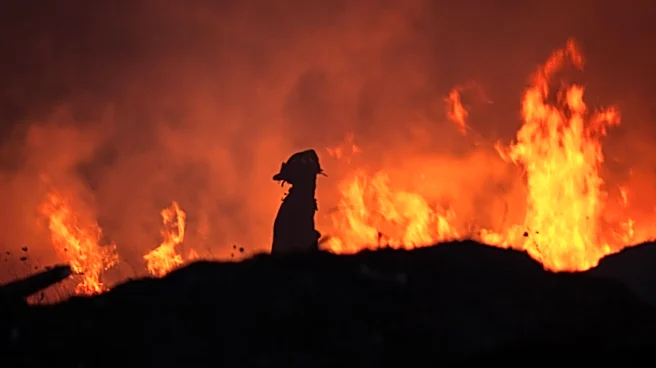
Beyond power and water, the heat waves had broader environmental and economic impacts. The extreme temperatures led to increased forest fires, which further strained emergency services and infrastructure. The fires not only threatened homes and businesses but also contributed to air quality issues, affecting public health.
Economically, the heat waves disrupted various sectors, from agriculture to tourism. The agricultural sector faced challenges due to water shortages and heat stress on crops, while the tourism industry saw a decline in visitors to affected areas. These impacts underscored the interconnectedness of infrastructure and the economy, highlighting the need for comprehensive planning and investment in resilience.
The 2024 heat waves served as a wake-up call for North America, emphasizing the importance of adapting infrastructure to withstand the challenges posed by extreme weather. As climate change continues to influence weather patterns, the lessons learned from 2024 will be crucial in preparing for future events.