




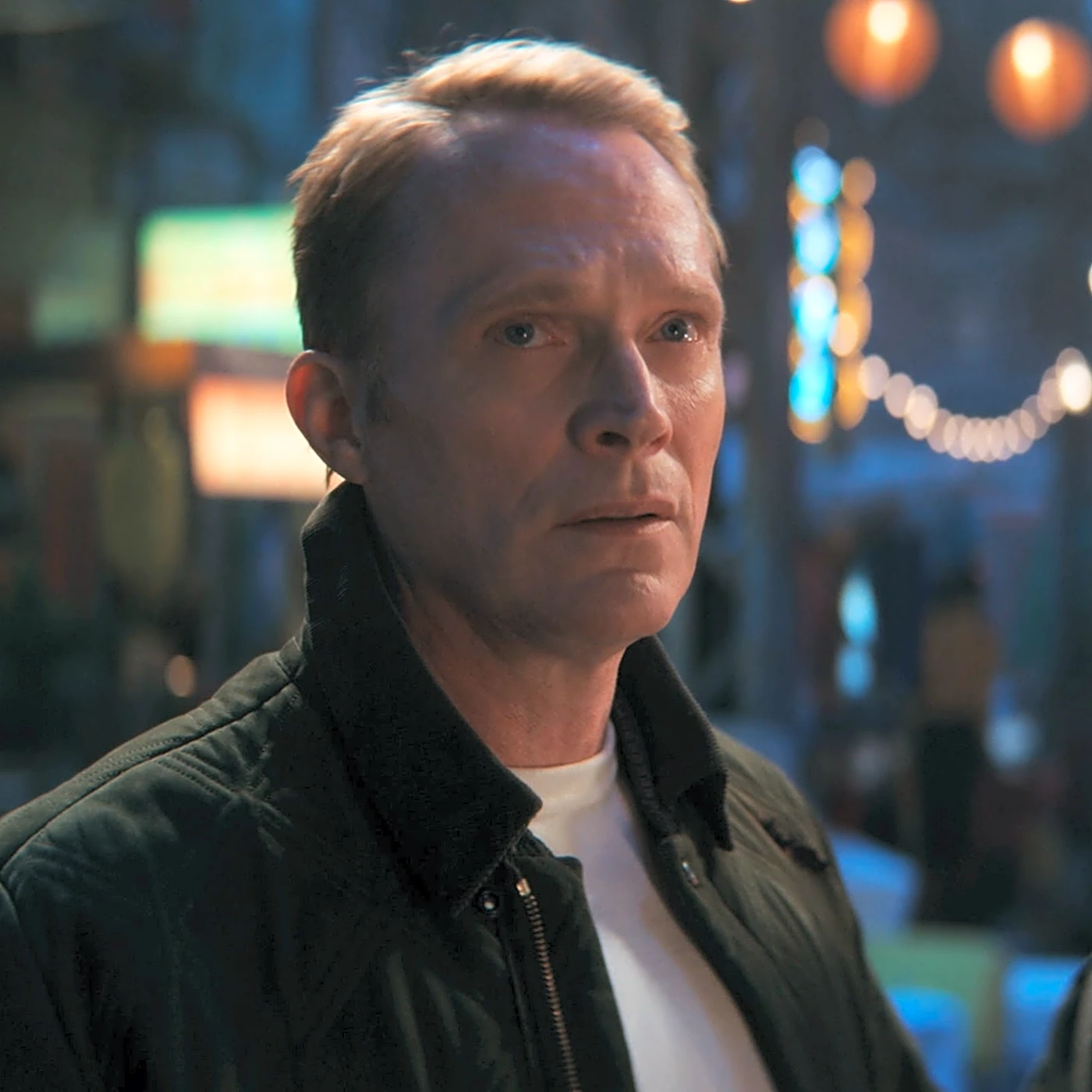




Terrence Malick's 1973 film *Badlands* presents a fictionalized account of a crime spree, loosely based on the real-life events of Charles Starkweather and Caril Ann Fugate in 1958. The story centers on Kit Carruthers, a 25-year-old garbage collector and Korean War veteran, and his 15-year-old girlfriend, Holly Sargis. Set in 1959, the film is narrated by Holly, offering her unique, often detached, perspective on the escalating violence. Kit, who
resembles James Dean, an actor Holly admires, initially charms her, but his violent and antisocial tendencies gradually emerge as their relationship deepens. Their journey across the Northern Plains becomes a series of increasingly brutal acts, driven by Kit's desensitized view of violence and Holly's passive complicity.
The Genesis of a Crime Spree
The narrative begins in Fort Dupree, South Dakota, where Holly lives with her father, a sign painter, following her mother's death. Her relationship with her father is strained. Holly meets Kit, and despite their age difference and his troubled background, they become close, and she loses her virginity to him. Holly's father disapproves of Kit and, as punishment for Holly seeing him, kills her dog. This act precipitates Kit's first murder. Kit breaks into Holly's house, insisting she run away with him. When her father threatens to call the police, Kit fatally shoots him. To cover their tracks, Kit and Holly fake their suicides by burning the house down, then flee to the badlands of Montana. This initial act of violence sets the tone for their subsequent actions, as they retreat from society into a world of their own making.
Life on the Run and Escalating Violence
In the remote badlands of Montana, Kit and Holly build a treehouse, living off the land by fishing and stealing chickens. Their brief, idyllic existence is shattered when they are discovered by three men, whom Kit later tells Holly were bounty hunters. Kit shoots and kills all three men, further entrenching them in their life of crime. Seeking refuge, they visit Kit's former co-worker, Cato. However, when Cato attempts to summon help, Kit shoots him as well. A young couple then arrives at Cato's location and is forced into a storm cellar. Kit shoots into the closed cellar door, leaving without knowing if they are dead or alive. These acts demonstrate Kit's growing ruthlessness and his perception of anyone who might impede their escape as a "nuisance" to be eliminated.
As law enforcement pursues them across the Northern Plains, Kit and Holly stop at a rich man's mansion. They take supplies, clothing, and his Cadillac, but notably spare the man and his deaf housemaid. This moment offers a brief glimpse of selective mercy amidst their violent spree. As they drive across Montana towards Canada, the police eventually locate and chase them. Holly, who has grown tired of Kit and their life on the run, refuses to continue with him and turns herself in. Kit leads the police on a car chase but is soon caught. In a bizarre display, he charms the arresting officers and National Guard troops, tossing them his personal belongings as souvenirs of his crime spree, seemingly enjoying the attention.
Aftermath and Consequences
The film concludes with Holly revealing that she received probation and later married her defense attorney's son. Kit, however, was executed for his crimes. This stark contrast in their fates highlights the different ways they are perceived and judged by society, despite their shared involvement in the spree. Holly's narration throughout the film maintains a detached, almost dreamlike quality, often at odds with the brutal reality of their actions. Malick intended for the film to have a "fairy tale" quality, which he felt would "take a little of the sharpness out of the violence but still keep its dreamy quality," reflecting Kit and Holly's own self-perception. This narrative choice underscores the film's exploration of innocence lost, the allure of rebellion, and the psychological complexities of its young protagonists.