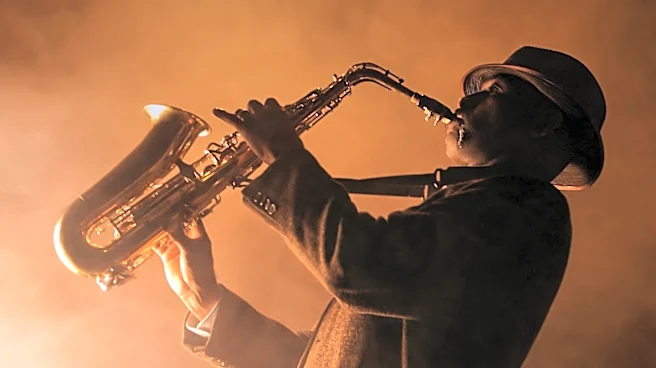




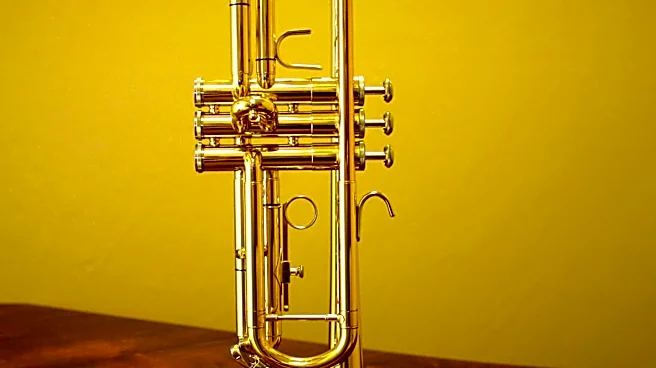



Louis Armstrong's recording of "West End Blues" in 1928 is often hailed as a pivotal moment in the history of jazz. This three-minute masterpiece not only showcased Armstrong's extraordinary talent but also marked a significant shift in how jazz was perceived and appreciated. The recording, made with his band, Louis Armstrong and His Hot Five, is celebrated for its innovative approach and has been credited with elevating jazz to a higher artistic
status.
A Revolutionary Recording
Armstrong's "West End Blues" begins with an unaccompanied trumpet cadenza that is considered one of the defining moments of early jazz. This introduction, characterized by rhythmic freedom and technical brilliance, set a new standard for jazz musicians. Gunther Schuller, in his book *Early Jazz*, emphasized the recording's importance, noting that it demonstrated jazz's potential to compete with the highest forms of musical expression. Armstrong's ability to blend technical skill with emotional depth in his trumpet playing was groundbreaking.
The recording also featured a band of talented musicians, including Earl Hines on piano, Jimmy Strong on clarinet, and Zutty Singleton on drums. Each musician contributed to the overall sound, but it was Armstrong's trumpet that dominated the piece. His high C note in the final chorus is particularly memorable, showcasing his range and power. This recording was not just a display of individual talent but a cohesive ensemble performance that highlighted the possibilities of jazz as a collaborative art form.
Symbolizing Jazz's Ascendancy
"West End Blues" came to symbolize the ascendancy of jazz as a classic American music. Gary Giddins noted that the tune represented more than any other the rise of jazz in the cultural landscape. Armstrong's recording was inducted into the Grammy Hall of Fame in 1979, further cementing its status as a landmark in music history. The piece's influence extended beyond jazz, impacting other genres and inspiring musicians worldwide.
Armstrong's recording also played a role in popularizing scat singing, a vocal style that uses nonsensical syllables to mimic instrumental solos. Billie Holiday cited "West End Blues" as her first experience with scat singing, illustrating the recording's broad impact on vocal jazz. Armstrong's tender scat vocal chorus in duet with the clarinet added another layer of innovation to the piece.
Legacy and Continued Influence
The legacy of "West End Blues" continues to resonate in the jazz world. Armstrong recorded several later versions, including for the 1947 film *New Orleans* and with his All Stars in the 1940s. Each rendition brought new interpretations while maintaining the essence of the original. The recording's influence is evident in the work of countless jazz musicians who have drawn inspiration from Armstrong's pioneering style.
In summary, Louis Armstrong's "West End Blues" is more than just a recording; it is a milestone that transformed jazz into a respected art form. Its impact on musicians and listeners alike underscores the enduring power of Armstrong's genius and the timeless appeal of jazz.