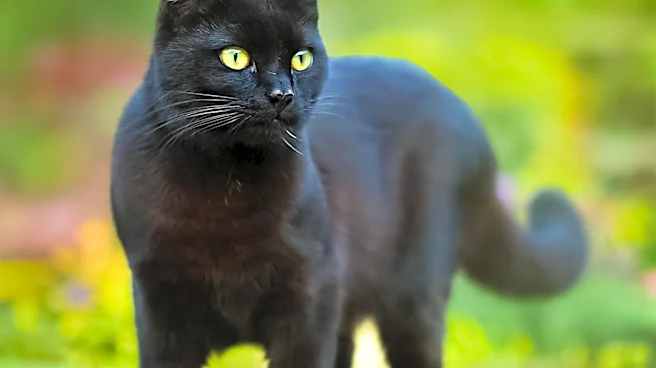







The Bombay cat, with its distinctive glossy black coat and copper-golden eyes, is a breed that stands out for its striking appearance. However, despite its unique charm and the dedicated efforts of its developers, the Bombay remains a relatively rare breed within the world of pedigree cats. This rarity is observed across both its American and British types, making it a special find for enthusiasts. The limited numbers and specific registration processes
in different regions highlight its niche status and the challenges associated with its widespread recognition and breeding.
Rarity in the United States and United Kingdom
In both the United States and the United Kingdom, the Bombay cat is considered a relatively rare breed among pedigree felines. This scarcity means that encountering a Bombay cat, particularly one with a full pedigree, is not a common occurrence. The reasons for this rarity can be multifaceted, often involving the specific breeding programs, the number of active breeders, and the overall demand for the breed compared to more common domestic cats. For those seeking a Bombay, this rarity can make the search more challenging but also adds to the breed's allure as a unique companion.
For the UK-type Bombays, which are pedigreed with the Governing Council of the Cat Fancy (GCCF) as the Asian Self under the Asian group, the numbers are particularly telling. In 2023, only 160 kittens from the entire Asian group were pedigreed. This figure encompasses all cats within that group, not just the British Bombay specifically. The lack of separate data for the British Bombay further underscores its limited presence within the pedigree system, suggesting that its individual numbers are quite small. This makes the British Bombay a truly exclusive and uncommon breed, even within its own recognized category.
Registration and Recognition Status
The registration and recognition of the Bombay cat vary depending on its type and geographical location. The US-type Bombay, which was developed by Nikki Horner, achieved official recognition and registration by prominent organizations such as the Cat Fanciers' Association (CFA) in 1970 and The International Cat Association (TICA) in 1979. These recognitions were crucial steps in establishing the breed's legitimacy and promoting its development within the American cat fancy community.
In contrast, the UK-type Bombay is registered as the Asian Self under the Asian group with the GCCF, which is the sole registry that recognizes the British Bombay and operates within the UK. This regional specificity means that the British Bombay's pedigree status is primarily confined to the UK's cat fancy system. On a broader international scale, the Fédération Internationale Féline (FIFe) currently grants the Bombay only preliminary recognition status. This indicates that while the breed is acknowledged, it has not yet achieved full, widespread international acceptance across all major cat registries, contributing to its overall rarity and specialized appeal.