



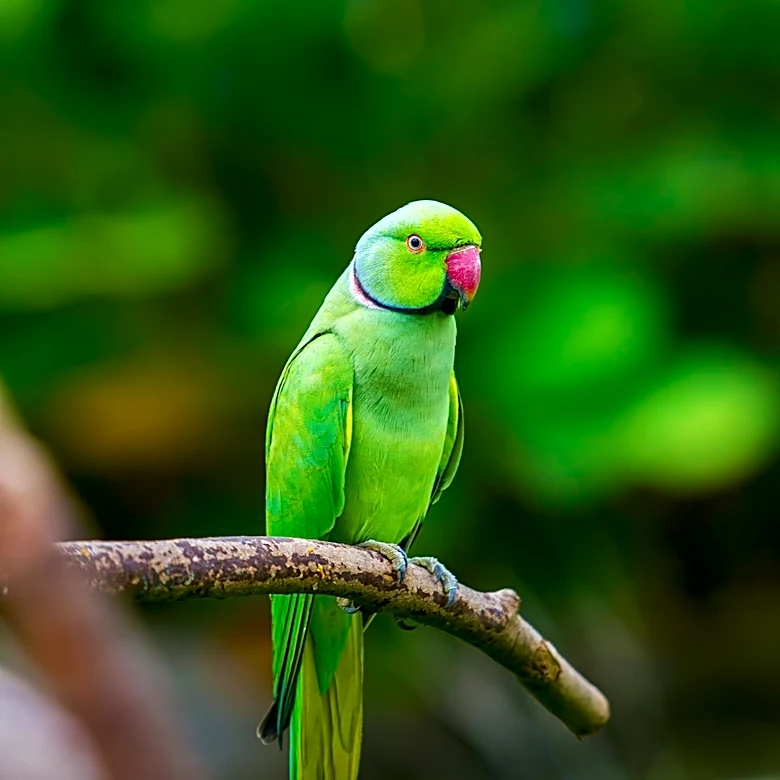




The Carolina parakeet (Conuropsis carolinensis), also known as the Carolina conure, stands as a poignant reminder of avian extinction in the United States. This small, green neotropical parrot, characterized by its bright yellow head, reddish-orange face, and pale beak, was once native to the Eastern, Midwest, and Plains States. It held the unique distinction of being the only indigenous parrot within its extensive range and one of only three parrot species
native to the United States, alongside the now extirpated thick-billed parrot and the green parakeet, which still exists in Texas. Its disappearance marks a significant loss in American biodiversity.
Description and Historical Range
In terms of appearance, the Carolina parakeet was similar in size and coloration to the extant jenday parakeet and sun conure, with the latter being its closest living relative. Its plumage was predominantly green, with lighter green underparts. The head was a bright yellow, and the forehead and face, extending to behind the eyes and upper cheeks, were orange with red. Yellow shoulders continued down the outer edge of the wings, and primary feathers were mostly green with yellow edges. Males and females shared identical plumage, though males were slightly larger. Young parakeets were mostly green, lacking the yellow or orange facial and wing coloration of adults, which they developed around one year of age. These birds were relatively long-lived, with some individuals in captivity surviving for over 35 years.
The Carolina parakeet boasted the northernmost range of any known parrot, stretching from southern New York and Wisconsin down to Kentucky, Tennessee, and the Gulf of Mexico, and from the Atlantic Seaboard as far west as eastern Colorado. Early explorers described its range as encompassing all or parts of at least 28 states. Its preferred habitats were old-growth forests along rivers and in swamps, particularly within the Mississippi–Missouri drainage basin, where large hollow trees like cypress and sycamore provided roosting and nesting sites. Population estimates varied widely, from tens of thousands to a few million birds, with the densest populations likely occurring in Florida.
Behavior, Diet, and the Path to Extinction
These parakeets were highly social, living in huge, noisy flocks that could number as many as 300 birds. They nested in hollow trees, typically laying two to five round white eggs. There are reports that multiple female parakeets might deposit their eggs in a single nest, a behavior also seen in the monk parakeet. Their diet consisted mainly of seeds from forest trees and shrubs, including cypress, hackberry, beech, sycamore, elm, pine, and oak, as well as fruits like apples, grapes, and figs, and occasionally insects. They were particularly noted for their fondness for cockleburs, a plant containing a toxic glucoside, and were sometimes considered agricultural pests due to their consumption of grain crops.
The extinction of the Carolina parakeet was a rapid and complex event, with the last captive individual, Incas, dying at the Cincinnati Zoo in 1918. While genetic evidence suggests populations had been declining since the last glacial maximum, the final collapse was swift. Several factors contributed to their demise. Extensive deforestation in the 18th and 19th centuries destroyed their habitat. Hunting played a significant role, both for their colorful feathers, used for adornment, and to reduce crop predation. Capture for the pet trade and competition for nest sites with introduced European honeybees also contributed. A critical factor was their flocking behavior; when birds were killed, others would return to the vicinity of the dead or dying, making them easy targets for wholesale slaughter. Although some sightings were reported into the late 1920s, the American Ornithologists' Society declared the species extinct in 1939, with the IUCN listing it as extinct since 1920. The exact final cause remains somewhat mysterious, with theories including poultry disease, though no definitive evidence exists.