







The 2016 Lockhart hot air balloon crash was a devastating event that claimed 16 lives, marking it as the deadliest ballooning disaster in U.S. history. Central to understanding this tragedy is examining the aircraft involved and the company operating it. This article delves into the specifics of the balloon and the Heart of Texas Balloon Ride company.
The Aircraft: Kubicek BB85Z Hot Air Balloon
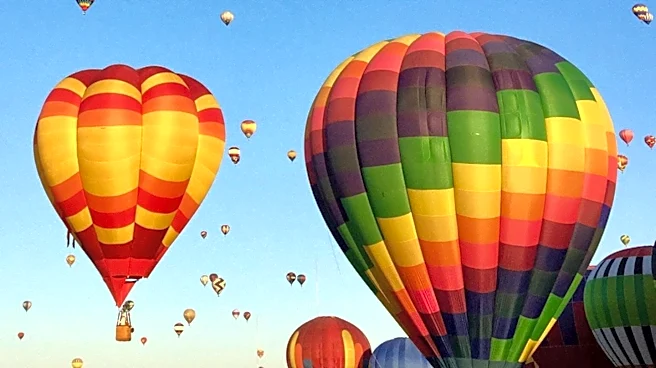
The aircraft involved in the Lockhart crash was a Kubicek BB85Z hot air balloon, registered as N2469L.
This type of balloon is designed for carrying passengers on sightseeing flights, offering a unique aerial experience. The Kubicek BB85Z is known for its large envelope, which allows it to carry multiple passengers, making it suitable for commercial operations.
On the day of the crash, the balloon departed from Fentress Airpark, Texas, at 6:58 a.m. local time. The flight was intended to be a scenic journey, providing passengers with a bird's-eye view of the Texas landscape. However, the balloon's journey was cut short when it collided with power lines, leading to a catastrophic fire and crash.
The Operator: Heart of Texas Balloon Ride Company
The Heart of Texas Balloon Ride company operated the ill-fated flight. This company was known for offering hot air balloon rides in the Greater Austin area, attracting tourists and locals alike. The company aimed to provide memorable experiences, showcasing the beauty of Texas from above.
Despite its reputation for offering scenic flights, the company faced scrutiny following the crash. The National Transportation Safety Board (NTSB) launched an investigation to determine the cause of the accident, focusing on the company's safety practices and the pilot's decision-making. The investigation aimed to uncover any lapses in safety protocols that may have contributed to the tragedy.
Lessons Learned and Industry Impact
The 2016 Lockhart balloon crash had a significant impact on the hot air ballooning industry, prompting discussions about safety regulations and oversight. The tragedy highlighted the need for stringent safety measures and thorough pilot training to prevent similar incidents in the future.
In the aftermath of the crash, there was a push for increased regulation and oversight of commercial balloon operations. The incident served as a wake-up call for the industry, emphasizing the importance of prioritizing passenger safety and adhering to best practices.
The Lockhart crash remains a pivotal moment in the history of hot air ballooning, serving as a reminder of the potential risks and the need for vigilance in ensuring the safety of all flights.