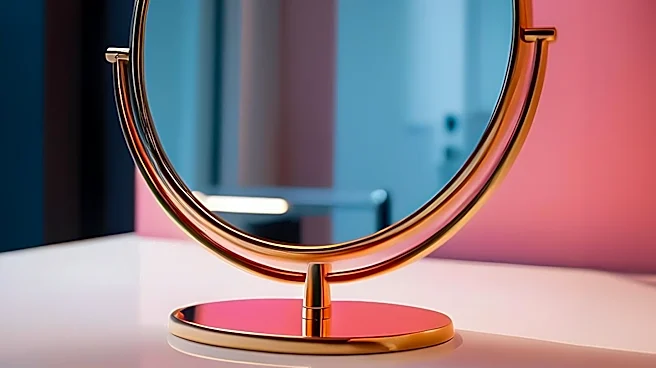





Makeup mirrors have played a significant role in shaping cultural perceptions of beauty and personal grooming. From their early use in discreet compacts to their modern incarnation as smart mirrors, these tools have influenced societal attitudes towards makeup and self-presentation. This article delves into the cultural significance of makeup mirrors and their impact on society.
Makeup Mirrors as Symbols of Beauty
Throughout history, makeup mirrors have been more than just functional
tools; they have served as symbols of beauty and self-care. In the early 1900s, when makeup was not widely accepted, compacts with hidden mirrors allowed individuals to engage in personal grooming discreetly. These mirrors became symbols of empowerment, enabling people to express their individuality and challenge societal norms.
As makeup gained acceptance, the design of compacts evolved to reflect changing beauty standards. The ornate designs of the 1920s, influenced by the Art Deco movement, showcased the growing importance of personal grooming in society. Makeup mirrors became fashion statements, reflecting the cultural shift towards embracing beauty and self-expression.
The Influence of Technology on Beauty Standards
The advent of smart mirrors has further transformed the cultural landscape of beauty. These technologically advanced devices offer virtual try-on experiences, allowing individuals to experiment with different looks and styles. Smart mirrors have democratized beauty, making it accessible to a wider audience and challenging traditional beauty standards.
By providing real-time feedback and personalized recommendations, smart mirrors empower individuals to explore their unique sense of style. This shift towards personalized beauty has influenced societal perceptions, encouraging people to embrace diversity and celebrate individuality. As a result, makeup mirrors have become tools for self-discovery and self-expression, reflecting the evolving cultural attitudes towards beauty.
Makeup Mirrors in Popular Culture
Makeup mirrors have also made their mark in popular culture, appearing in films, television shows, and advertisements. These mirrors are often depicted as essential tools for transformation, symbolizing the power of makeup to enhance one's appearance and boost confidence. In popular media, makeup mirrors are portrayed as gateways to self-discovery, reinforcing their cultural significance.
The portrayal of makeup mirrors in popular culture highlights their role in shaping societal attitudes towards beauty and self-presentation. As these mirrors continue to evolve, they will likely remain influential symbols of beauty, reflecting the ever-changing cultural landscape and the ongoing quest for self-expression.