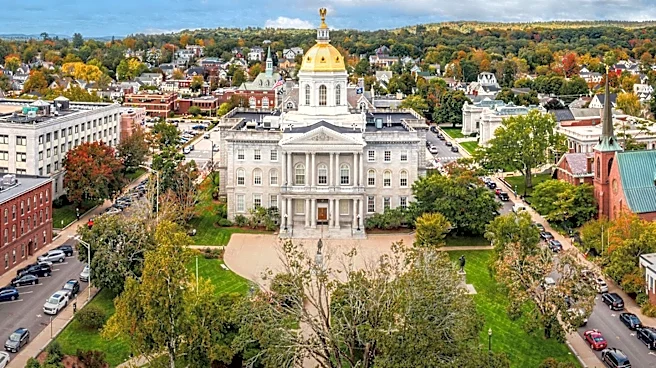



The Duryea Motor Wagon Company holds a significant place in American industrial history as the nation's first firm dedicated to building gasoline automobiles. Established in 1895 in Springfield, Massachusetts, the company was founded by brothers Charles and Frank Duryea. Their pioneering efforts led to the production of the Duryea Motor Wagon, a vehicle that not only demonstrated the viability of gas-powered transportation but also laid the groundwork
for the burgeoning American automotive industry. The company's journey, from early demonstrations and race victories to commercial production and eventual dissolution, reflects the challenges and innovations of the early automotive era.
Early Innovations and Demonstrations
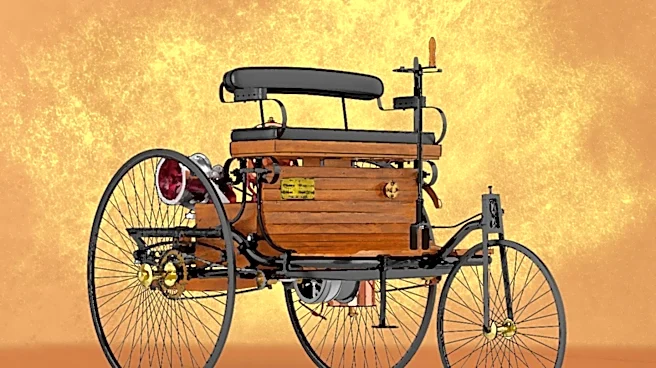
The genesis of the Duryea Motor Wagon Company can be traced back to the development of their first successful gas-engine vehicle. On September 21, 1893, the Duryea Motor Wagon, a one-cylinder, four-horsepower car, was publicly demonstrated in Springfield, Massachusetts. This event marked a crucial step in American automotive history, showcasing a functional gasoline-powered vehicle. While it is considered the second successful gas-engine vehicle built in the U.S., following John William Lambert's Buckeye gasoline buggy from 1891, the Duryea brothers quickly moved towards commercialization.
Frank Duryea, a key figure in the company's early success, was instrumental in both building and testing the vehicles. His practical involvement was evident in the 1895 Chicago Times Herald race, where a second Duryea car, built in 1894 and driven by Frank, secured a victory. This race, held on a snowy Thanksgiving day, covered 54 miles at an average speed of 7.5 mph, and was notable as the first U.S. auto race where any entrants actually finished. Such public demonstrations and victories were vital in proving the reliability and potential of the Duryea automobiles.
Commercial Production and Early Market Success
Following their racing success, the Duryea brothers embarked on commercial production in 1895. By the end of 1896, they had sold thirteen cars, marking a significant milestone: their first ten production vehicles were the first automobiles ever sold in the United States. This early commercialization established the Duryea Motor Wagon Company as a leader in the nascent American automotive market. The company's headquarters were located in Springfield, Massachusetts, a hub for their initial operations.
The brothers initially believed that continued racing successes would boost their market share. They even entered two vehicles in Britain's London to Brighton Veteran Car Run, with Frank arriving first, though he was later omitted from official results. Despite these efforts, internal disputes over financing, particularly a proposal to move the company to Detroit, led the brothers to go their separate ways by the end of the century. This divergence marked a turning point for the original company, though both brothers continued to be involved in automobile production independently.
Evolution and Dissolution
After the brothers' separation, Charles Duryea continued to produce vehicles under the Duryea name, operating from Reading, Pennsylvania. By February 1900, Charles had moved to Reading, and by 1901, he, along with Sternbergh, incorporated the Duryea Power Company. This new entity aimed to manufacture various metal and wood products, including automobiles, motors, and propellers. By March 1902, despite challenges like securing factory space and a devastating flood, Duryea was producing one three-wheel, three-cylinder, gasoline-powered automobile each week. These vehicles, known for their power, reliability, and a top speed of 20 miles per hour, were particularly popular among doctors.
By 1905, Duryea's operations in Reading employed fifty workers and produced sixty cars annually, including the four-wheel Phaeton, which sold for $1,600. However, a dispute among company partners led to the collapse of this business in 1907. Undeterred, Charles Duryea designed the "Buggyaut," an inexpensive auto with a two-cylinder, air-cooled engine and large wheels, targeting rural markets. Despite its affordability at $700 for a two-passenger model, the Buggyaut did not achieve the envisioned success. Charles Duryea closed his garage in 1914 and left Reading, effectively ending the direct lineage of the Duryea Motor Wagon Company. His final attempt to produce an affordable "car for the people" was the Duryea GEM in 1916, a cross between an automobile and a motorcycle, but lack of funding again forced the project's abandonment after only six units were built. The Duryea Motor Wagon Company officially ceased operations in 1914, marking the end of an era for America's first gasoline automobile manufacturer.