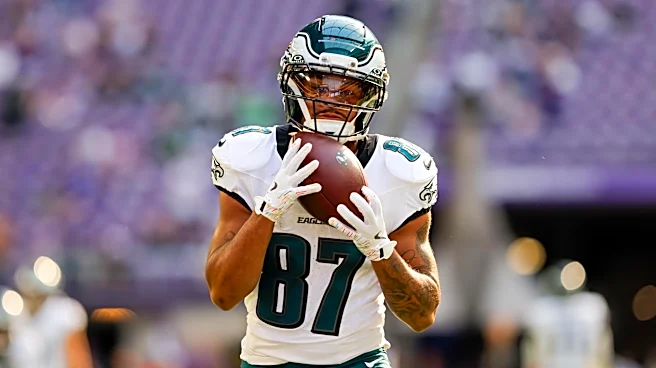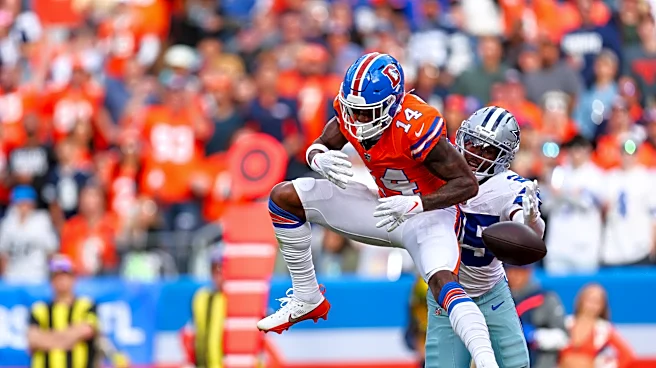



The "Miracle at the Meadowlands" is a term that evokes strong emotions, particularly among fans of the Philadelphia Eagles and New York Giants. This infamous event, which occurred on November 19, 1978, during an NFL game at Giants Stadium, saw the Eagles secure a dramatic 19-17 victory over the Giants. While Eagles fans and sportscasters celebrate it as a miracle, Giants fans simply refer to it as "The Fumble," highlighting the pivotal mistake that cost
their team the game. The play involved a fumble recovery by Herman Edwards, which he returned for a touchdown in the game's final seconds, forever etching this moment into NFL lore.
A Season of Shifting Fortunes and Playoff Hopes
Leading up to the 1978 encounter, both the Giants and Eagles found themselves in similar, yet diverging, situations within the NFC East. The Eagles were in third place, trailing the Dallas Cowboys and Washington Redskins, while the Giants occupied fourth. This was the inaugural 16-game NFL season, and both teams harbored playoff aspirations, though a wild card berth seemed the most likely path given the Cowboys' strong divisional lead. The outcome of this game was anticipated to have significant playoff implications, as head-to-head records served as the primary tie-breaker for wild card spots.
The Giants entered the game with a 5-6 record, their playoff prospects dimmed by a three-game road losing streak. However, a home victory against the favored Eagles offered a glimmer of hope to reverse their fortunes and keep their playoff dreams alive. Despite their storied past, the Giants had not reached the postseason since 1963 and had only managed two winning seasons since then. In the post-merger NFL, they were largely considered a non-entity. Their move to New Jersey in 1976 had alienated some long-time fans, even as it increased seating capacity. Many Giants fans, unaccustomed to such a prolonged period without a contender, remained forgiving, yet the team's ownership structure presented its own set of challenges.
Ownership Struggles and Missed Opportunities
The Giants' ownership, primarily Wellington Mara and the heirs of his brother Jack, faced internal strife and a reluctance to invest heavily in the team. Wellington and Timothy J. Mara, Jack's nephew who effectively acted as an equal partner, managed team operations but were known for their bitter feuding, to the extent that a partition was once erected between their seats in the owners' box. This internal discord, coupled with a shared desire to keep payroll costs low for both players and non-playing personnel, significantly impacted the team's performance.
In the pre-free agency era, Giants players had limited bargaining power. The owners' parsimony, combined with instability at the highest managerial level, led to questionable personnel decisions. Fans frequently observed that former Giants players and coaches, such as Craig Morton, Fran Tarkenton, Tom Landry, and Vince Lombardi, achieved great success elsewhere. The team also had a history of passing over future stars in the annual draft or trading away high draft picks who later became prominent players. A notable example was the trade of their 1975 first-round selection to the Cowboys for Craig Morton, a pick Dallas used to draft future Hall of Fame defensive tackle Randy White. Morton himself later led the Broncos to Super Bowl XII after being traded from the Giants in 1977.
Financial Incentives and Fan Frustration
Despite playing in the largest metropolitan area in the United States and enjoying high demand for tickets, the Giants' ownership seemingly felt little financial incentive to spend more money to build a championship contender. Even with competition from the AFC's New York Jets, the Giants were still widely regarded as New York's premier football team. For most of the 1970s, only division winners and one wild card team per conference made the playoffs, and until 1978, wild card teams could not host playoff games. NFL playoff television revenues were shared equally, regardless of the participating teams. Therefore, the most significant financial return for the Maras from a winning team would have been revenue from home playoff games, which would have required winning the NFC East title.
From a purely financial standpoint, the expenditure needed to overcome the dominance of teams like the Cowboys appeared to be a risky gamble. Minimizing expenses ensured the franchise remained highly profitable, regardless of on-field performance, while increased spending offered no guaranteed additional financial return. This approach led observers, unaware of the full extent of the ownership schism, to view the Maras as complacent and miserly owners, contributing to the team's struggles and the eventual, infamous "Fumble" that would symbolize a period of frustration for Giants fans.