

The Spanish colonization of Puerto Rico left a lasting impact on the island's culture and society. From the early days of settlement to the present, Spanish influence has shaped the language, customs, and traditions of Puerto Rico. This article explores the evolution of Spanish influence on the island, highlighting key aspects of its cultural legacy.
Language and Architecture
One of the most enduring legacies of Spanish colonization in Puerto Rico is the Spanish language. As
the primary language of the island, Spanish is a testament to the deep-rooted influence of the colonizers. The language serves as a unifying factor for Puerto Ricans, connecting them to their historical past and to other Spanish-speaking countries.
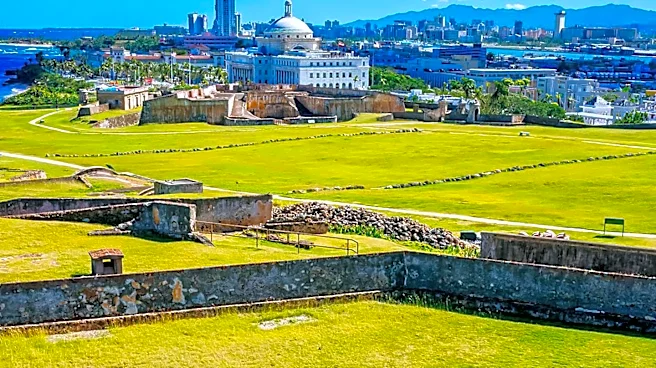
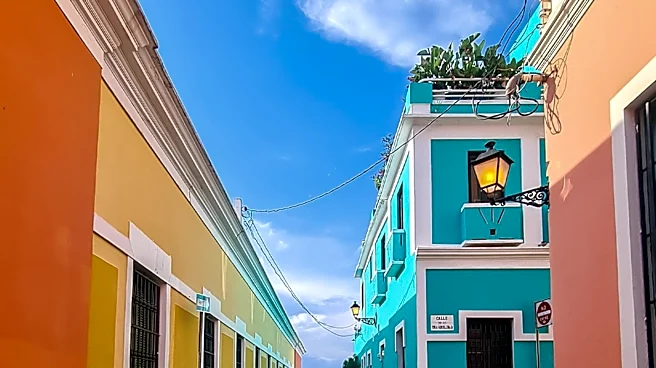
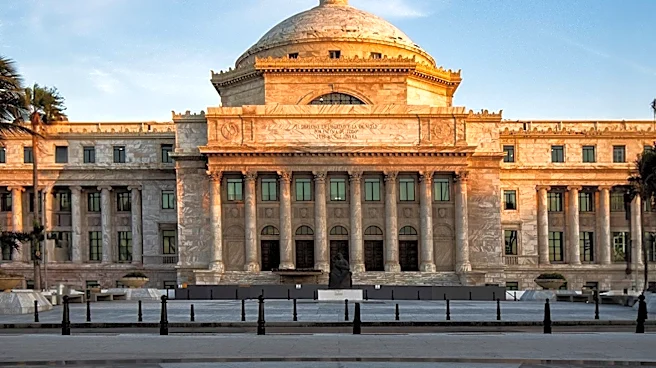
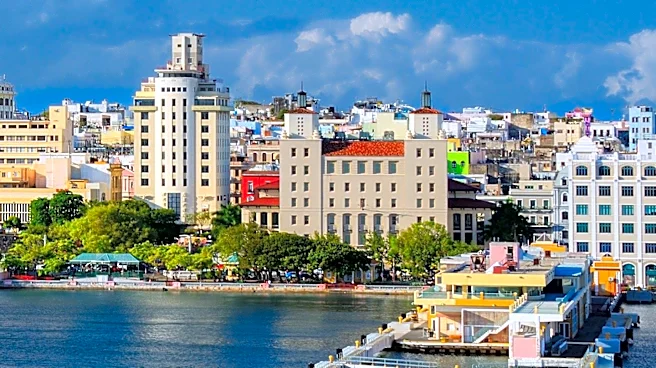
In addition to language, Spanish architecture has left a significant mark on Puerto Rico. The island is home to a blend of old and new architectural designs that reflect its colonial past. Historic buildings in Old San Juan, with their colorful facades and intricate details, showcase the Spanish colonial style. These structures are not only a reminder of the island's history but also a major attraction for tourists.
Customs and Traditions
Spanish customs and traditions have been woven into the fabric of Puerto Rican society. Many of the island's cultural practices, such as festivals, music, and dance, have their roots in Spanish traditions. For example, the celebration of patron saint festivals, known as "fiestas patronales," is a tradition that dates back to the Spanish colonial period. These festivals are held in honor of the patron saint of each town and are marked by parades, music, and dancing.
The influence of Spanish music is also evident in Puerto Rican culture. Genres such as salsa and reggaeton, while uniquely Puerto Rican, have been influenced by Spanish rhythms and instruments. The fusion of Spanish and indigenous musical elements has created a vibrant and diverse musical landscape on the island.
Religion and Social Structure
The Roman Catholic Church, introduced by the Spanish, has played a central role in shaping Puerto Rican society. Catholicism remains the dominant religion on the island, influencing various aspects of daily life, from education to social customs. The church's presence is visible in the numerous cathedrals and churches that dot the island, serving as centers of community life.
Spanish colonization also influenced the social structure of Puerto Rico. The introduction of the encomienda system and the establishment of a colonial government laid the foundation for the island's social hierarchy. Over time, this structure evolved, but the legacy of Spanish rule is still evident in the island's social and political institutions.
The Spanish influence on Puerto Rico is a testament to the island's rich and complex history. From language and architecture to customs and religion, the impact of Spanish colonization continues to shape Puerto Rican identity and culture. As Puerto Rico navigates its future, it remains deeply connected to its Spanish heritage, celebrating the diverse influences that have contributed to its unique cultural tapestry.