







Johnson & Johnson's baby powder has been a staple in households for over a century. Originally introduced in the late 19th century, it quickly became a trusted product for soothing skin irritation. However, recent years have seen significant changes in its formulation due to health concerns and legal challenges. This article explores the journey of Johnson & Johnson's baby powder, from its early days to its recent reformulation.
The Birth of a Household Staple
Johnson & Johnson's
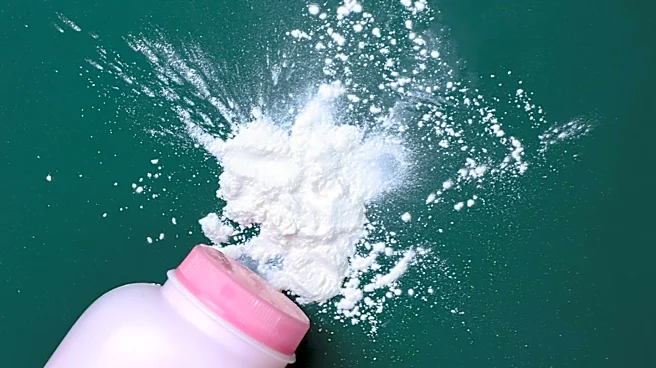
baby powder was first introduced in the 1890s by Dr. Frederick B. Kilmer, the company's first director of scientific affairs. Kilmer developed the product in response to a physician's inquiry about treating skin irritation caused by medicated plasters. He recommended using scented Italian talcum powder, which led to the creation of Johnson's Baby Powder. By 1894, the product was being mass-produced and marketed as a solution for soothing babies' skin.
The baby powder quickly gained popularity, becoming a trusted product for mothers and caregivers. Its success was partly due to its effective relief of skin irritation and its pleasant scent, which became synonymous with baby care. Over the years, Johnson & Johnson expanded its product line to include other baby care items, but the baby powder remained a flagship product.
Health Concerns and Legal Challenges
Despite its long-standing reputation, Johnson & Johnson's baby powder faced scrutiny over potential health risks. Some studies suggested a link between talcum powder applied to the perineal area and ovarian cancer, although there was no consensus on causality. In 2016, over 1,000 women in the United States sued the company, alleging that it covered up the possible cancer risk associated with its baby powder.
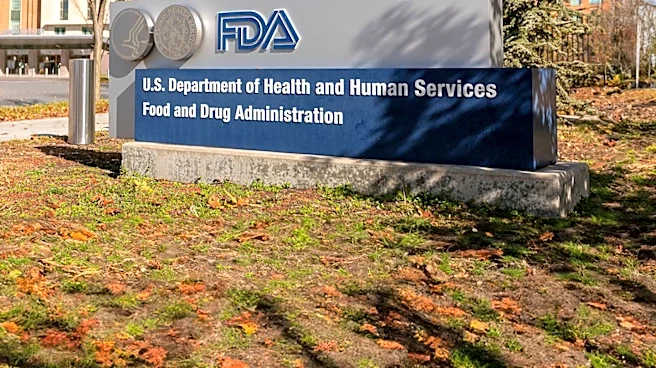
The controversy intensified when the U.S. Food and Drug Administration found trace amounts of asbestos in a bottle of the powder in 2019, leading to a recall. This discovery fueled further lawsuits and public concern. Johnson & Johnson maintained that its talc-based baby powder was safe and free of asbestos, but the legal battles continued to mount.
A New Era: Reformulation and Future Prospects
In response to declining sales and ongoing litigation, Johnson & Johnson announced in 2020 that it would discontinue its talc-based baby powder in the United States and Canada. The company decided to reformulate the product using cornstarch, a move aimed at addressing health concerns and restoring consumer confidence.
By 2023, Johnson & Johnson had replaced talc with cornstarch in its baby powder worldwide. This shift marked a significant change in the product's formulation, reflecting the company's commitment to safety and consumer trust. The reformulated baby powder continues to be available, offering a safer alternative for families.
As Johnson & Johnson moves forward, the company remains focused on maintaining its reputation as a leader in baby care products. The transition to cornstarch-based powder represents a new chapter in the product's history, one that prioritizes consumer safety and addresses the challenges of the past.