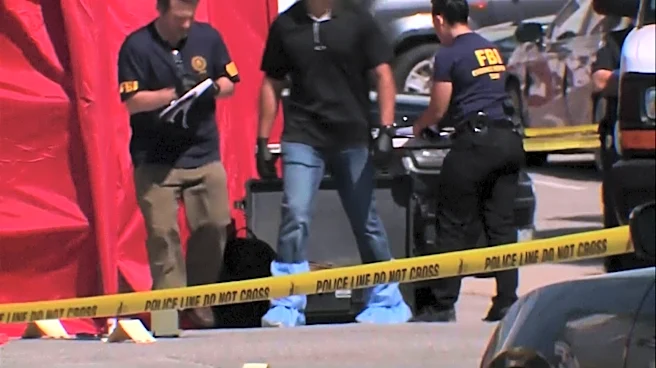










On July 15, 2017, Justine Damond, an Australian-American woman, was fatally shot by Minneapolis police officer Mohamed Noor. This incident not only shocked the local community but also attracted national and international attention. The case highlighted issues of police conduct and accountability, leading to significant legal and social repercussions.
The Night of the Shooting
Justine Damond, a 40-year-old woman, called 9-1-1 to report a possible assault in the alley behind
her house. She believed she heard a woman either having sex or being raped. Officers Mohamed Noor and Matthew Harrity responded to the call in the Fulton neighborhood of Minneapolis. As they drove through the alley with their squad car's lights off, they found no suspects or signs of the reported crime.
As the officers prepared to leave, Noor entered 'Code Four' into the cruiser's computer, indicating the scene was safe. However, Harrity was startled by a loud sound near the squad car, and Justine Damond approached the driver's side window. Harrity drew his weapon but did not fire. Noor, however, fired once through the open window, striking Damond in the abdomen. Despite attempts at resuscitation, Damond died 20 minutes later.
Legal Proceedings and Conviction
The shooting led to widespread protests and calls for police accountability. Noor was charged with second-degree murder, third-degree murder, and second-degree manslaughter. In June 2019, he was found guilty of third-degree murder and second-degree manslaughter, receiving a sentence of twelve and a half years in prison.
The conviction was significant as Noor became the first officer in Minnesota to be convicted of murder for an on-duty killing. However, the third-degree murder conviction was later overturned by the Supreme Court of Minnesota, leaving Noor convicted of second-degree manslaughter.
Impact and Aftermath
The case had a profound impact on the Minneapolis community and beyond. It exacerbated existing tensions over policing and led to the resignation of Minneapolis Police Chief Janeé Harteau. Damond's family filed a civil lawsuit against the City of Minneapolis, which was settled for $20 million, one of the largest settlements in a police killing case.
The incident also sparked discussions about police training and the use of body cameras, as neither officer had their body cameras activated during the shooting. The tragic death of Justine Damond continues to be a focal point in debates about police reform and accountability.