







Oats, scientifically known as *Avena sativa*, are a cereal grain species widely recognized for their versatility in both human food and animal feed. This resilient crop has a long history, appearing to have been domesticated as a secondary crop, meaning its seeds were similar enough to other cereals that early cultivators included them. Today, oats are a global staple, transformed into everything from breakfast porridge to plant-based milk alternatives,
showcasing their enduring importance in agriculture and diet.
Cultivation and Environmental Adaptations
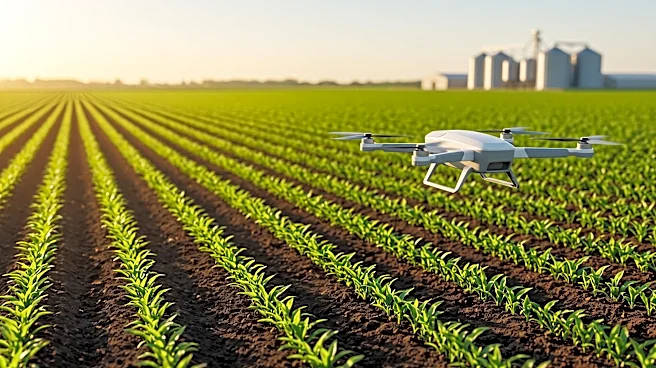
Oats exhibit specific environmental preferences that have shaped their cultivation across different regions. Unlike cereals such as wheat, barley, and rye, oats are less tolerant of cold winters. However, they thrive in conditions that require less summer heat and more rain, making them particularly well-suited for areas like Northwest Europe, which typically experience cool, wet summers. This adaptability allows oats to flourish where other major cereals might struggle.
Furthermore, oats demonstrate a remarkable ability to tolerate low-nutrient and acid soils, expanding the range of environments where they can be successfully grown. Their vigorous and thick growth habit also provides a natural advantage, enabling them to outcompete many weeds. Compared to other cereals, oats are also relatively resistant to diseases, contributing to their reliability as a crop.
From Field to Table: Processing and Culinary Applications
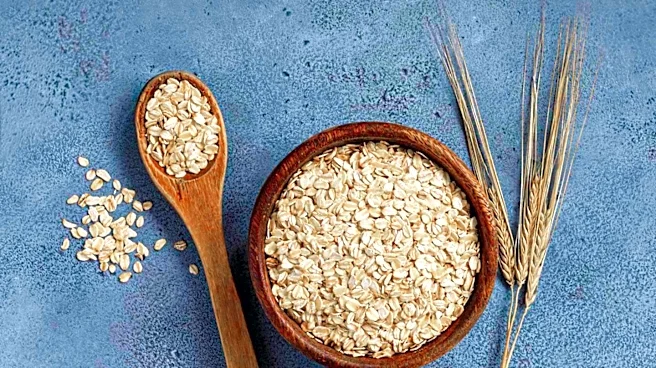
Once harvested, oats undergo various processing methods to prepare them for consumption. Most commonly, they are rolled or crushed into oatmeal, or ground into a fine oat flour. Oatmeal is perhaps best known as a breakfast porridge, a comforting and nutritious meal enjoyed worldwide. However, its culinary uses extend far beyond the breakfast bowl.
Oats are a key ingredient in a diverse array of baked goods, including traditional oatcakes, which can be made with coarse steel-cut oats for a rougher texture. They are also found in popular treats like oatmeal cookies and are used to make oat bread. Beyond baked goods, oats are a significant component in many cold cereals, notably muesli and granola. The Quaker Oats Company notably introduced instant oatmeal in 1966, further broadening its accessibility and convenience. In recent years, oats have also gained prominence in the beverage market, used to produce plant-based milk substitutes, commonly known as oat milk. By late 2020, the oat milk market had become the second-largest among plant milks in the United States, surpassing soy milk sales and trailing only almond milk.
Botanical Characteristics of the Oat Plant
The oat plant itself, *Avena sativa*, is a tall, stout grass belonging to the Poaceae family, capable of reaching heights of up to 5.9 feet (1.8 meters). Its leaves are long, narrow, and pointed, growing upwards, typically measuring between 5.9 to 15.7 inches (15 to 40 centimeters) in length and 0.20 to 0.59 inches (5 to 15 millimeters) in width. The plant's roots are fibrous, primarily concentrated in the uppermost 0.98 feet (0.3 meters) of the soil, though some can penetrate as deep as 4.9 feet (1.5 meters), developing from a crown at the soil surface.
Depending on planting density, oats can produce one or two hollow stems, or culms, when seeds are dense, but may develop 10 to 30 culms when more spaced out. At the top of each stem, the plant branches into a loose cluster or panicle, containing approximately 10 to 75 spikelets. These spikelets house the wind-pollinated flowers, which mature into the oat seeds or grains. Botanically, the grain is a caryopsis, where the fruit wall is fused to the actual seed. Like other cereal grains, the caryopsis comprises an outer husk or bran, a starchy endosperm that forms the bulk of the seed's food store, and a protein-rich germ capable of growing into a new plant.