




Geography, at its core, is the study of Earth's landscapes, environments, and human interactions. It is an all-encompassing discipline that seeks to understand not just where objects are located, but also how they have changed and come to be. Often referred to as a "bridge between natural science and social science disciplines," modern geography is remarkably broad, characterized by multiple approaches and modalities. To better organize this vast
field, it is typically divided into three main branches: physical geography, human geography, and technical geography. Each branch offers a distinct lens through which to analyze and comprehend the intricate complexities of our planet.
Physical Geography: Exploring the Natural Environment
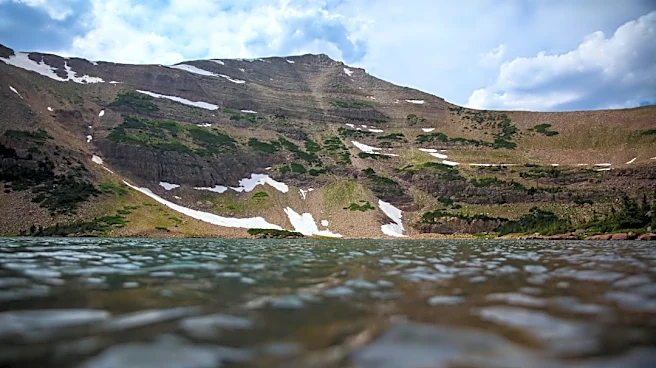
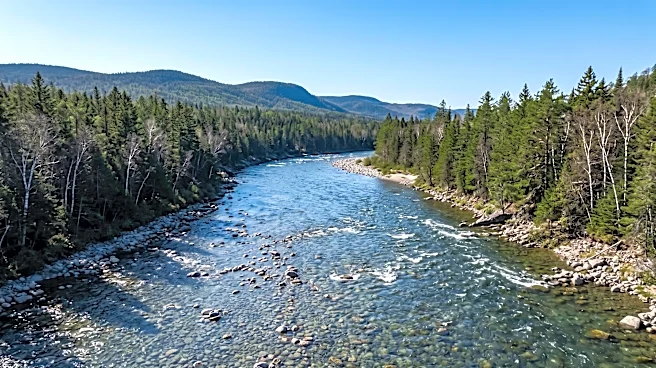
Physical geography is primarily concerned with the natural environment of Earth. This branch delves into the study of the planet's physical features and processes, aiming to understand how natural systems operate and interact. It encompasses a wide array of topics, including the formation and evolution of landforms such as mountains, valleys, deserts, and coastlines. Physical geographers also examine bodies of water, from oceans and seas to rivers, lakes, and wetlands, studying their characteristics and dynamics.
Furthermore, physical geography investigates climate patterns, weather phenomena, and the distribution of ecosystems, including forests, grasslands, and tundras. This branch provides crucial insights into natural hazards, resource distribution, and the long-term changes occurring in Earth's physical systems. By focusing on the natural world, physical geography helps us comprehend the environmental context in which all life, including human civilization, exists.
Human Geography: The Human Footprint on Earth
In contrast to physical geography, human geography centers on how humans interact with the Earth. This branch explores the spatial organization of human activities and their impact on the environment, as well as how the environment influences human societies. It examines diverse aspects of human life, including population distribution and density, cultural landscapes, and the dynamics of urban and rural settlements.
Human geographers study economic activities, political systems, social structures, and the movement of people and ideas across space. They analyze topics such as migration, globalization, regional development, and the cultural significance of places. By understanding the human element, this branch sheds light on the patterns and processes that shape our societies and the ways in which we modify and are modified by our surroundings. It provides a critical perspective on issues ranging from resource management to geopolitical conflicts.
Technical Geography: Tools for Understanding
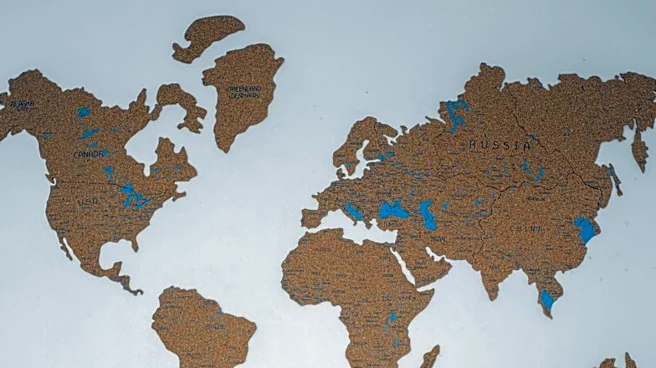
The third main branch, technical geography, focuses on the development and application of tools and techniques essential for geographical understanding and analysis. This branch is crucial for collecting, processing, and visualizing spatial data, enabling geographers across all specializations to conduct their research effectively. Key areas within technical geography include cartography, the art and science of map-making, which has been fundamental to geography since ancient times.
Modern technical geography also heavily relies on remote sensing, a method of gathering information about Earth's surface from a distance, typically using satellites or aircraft. Geographic Information Systems (GIS) are another cornerstone, providing powerful software tools for managing, analyzing, and displaying geographically referenced data. Surveying, which involves measuring and mapping the land, also falls under this branch. These technical tools not only enhance our ability to study the Earth but also provide practical applications in fields such as urban planning, environmental monitoring, and disaster management, making geography a highly relevant and applied science in the modern world.