







Dhaka muslin, a textile renowned for its extraordinary fineness and transparency, was not merely a fabric but the culmination of an elaborate and highly specialized production process. From the cultivation of a unique cotton plant to the intricate weaving and finishing stages, every step in creating Dhaka muslin demanded exceptional skill, patience, and specific environmental conditions. This article delves into the traditional techniques that defined
this legendary textile, exploring the raw materials, the meticulous multi-stage process, and the distinguishing features that set Dhaka muslin apart as a marvel of textile artistry.
The Unique Raw Material: Phuti Karpas Cotton
The foundation of Dhaka muslin's unparalleled quality lay in its exclusive raw material: the phuti karpas cotton plant (Gossypium arboreum var. neglecta). This local cotton variety possessed extremely fine, short staple fibers and grew only on the alluvial banks of the Meghna River, approximately 10–15 miles southeast of Dhaka. British Resident James Taylor noted in 1800 that this specific cotton was crucial. The fibers of phuti karpas had a ribbon-like structure, which, when soaked, would shrink and flatten, imparting unusual silkiness and strength to the spun yarn. Even after extensive searches during the colonial era, true phuti karpas was considered extinct, though related strains have recently been identified in Bangladesh.The cultivation and preparation of this cotton were themselves elaborate. After harvest, seeds were carefully hand-selected, sun-dried, and then stored in ghee-coated pots hung above warm fires to preserve their germination viability. Planting and ripening occurred during the dry season in the Meghna delta. Once harvested, the raw cotton lint underwent a meticulous cleaning process. Women used a special comb, the boāli (a sharpened catfish jawbone), to remove chaff and impurities, ensuring only the finest woolly fibers remained. This careful selection of raw material was the first critical step in achieving the fabric's legendary fineness.
The Multi-Stage Production Process
Producing Dhaka muslin involved a complex, multi-stage process, often described as comprising over a dozen distinct operations. After ginning and cleaning, the cotton underwent "air carding" using a muslin-specific dhunkar—a small bamboo bow with a catgut string. Striking this bow lightly would vibrate the cotton pile, causing the lightest fibers to levitate, which were then collected for spinning. This method separated the ultra-fine fibers, representing only about 8% of the total yield, from heavier lint.Spinning was perhaps the most critical and delicate stage, performed by expert women, often at dawn and dusk when humidity aided yarn tension. They frequently spun on boats over rivers, sometimes singing to maintain rhythm. Traditional spinning wheels (charkhas) or hand-spindles were used to produce incredibly thin yarn. The weaving itself was done on a Bengal pit loom, where a weaver sat with their feet in a pit to operate treadles. A specially crafted shāna, an ultra-fine bamboo reed with approximately 1000 wires per meter, kept the warp threads perfectly apart. The weave was a plain, one-over-one pattern, though supplementary weft motifs (jamdani) or floral buti patterns could be incorporated. Each portion of weaving required immense concentration, with one revivalist noting, "it is like doing prayers. Any lapse will tear the yarn." The finishing process involved soaking completed muslin pieces in river water and sun-bleaching them. While white muslin was highly prized, colored muslins, such as indigo, also existed. Garments were sometimes starched or scented and often stored as cherished heirlooms. This entire sequence meant that even a single sari could take months to produce, making each piece a luxury item.
Distinguishing Features and Legacy
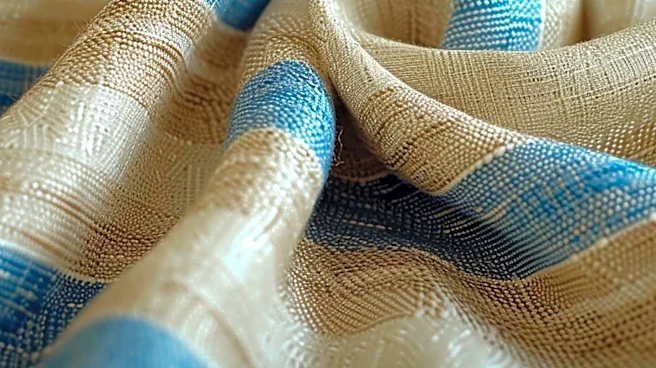
Several technical features distinguished Dhaka muslin from other cotton cloths. Its thread count and fineness were extraordinary, with historical reports of 800–1200 threads per inch (TPI), dwarfing typical handlooms (40–80 TPI) and even high-end jamdani (100–200 TPI). This extreme fineness resulted in unparalleled sheer delicacy. The fabric was also incredibly light; one square yard weighed only about eleven grams, earning it poetic names like baft-hawā ("woven air"). In contrast, ordinary muslin or chiffon might weigh ten times more.The weave was plain and uniform, devoid of slubs or variations, with warp and weft yarn counts closely matched. The surface was exceedingly smooth, described as