







The Internet of Things (IoT) describes physical objects embedded with sensors, processing ability, software, and other technologies that enable them to connect and exchange data with other devices and systems over the internet or other communication networks. While the term "Internet of Things" might be considered a misnomer because many devices only need to be connected to a network and individually addressable rather than the public internet, its
impact on American society is undeniable. Cisco Systems estimated that the IoT was "born" between 2008 and 2009, marking a point where more "things or objects" were connected to the internet than people, signifying a profound shift in technological integration.
From smart homes to industrial applications, the IoT is rapidly transforming various sectors, promising increased efficiency, convenience, and new capabilities. However, this pervasive connectivity also introduces significant concerns regarding privacy, security, and the potential for these technologies to reshape individual control over personal lives. As the number of connected IoT devices continues to grow, reaching billions globally, addressing these challenges becomes crucial for a secure and beneficial digital future.
Diverse Applications Across Sectors
The applications of IoT technology are incredibly diverse, extending far beyond the consumer market's smart home products like thermostats and smart speakers. In the business and industrial sectors, IoT finds its largest applications. Commercial asset tracking and fleet management, for instance, represent the largest single application, accounting for 22% of the total market. This is driven by the need to monitor mobile assets such as vehicles and shipping containers, with specific sub-segments like trailer and intermodal container tracking reaching millions of active devices globally.
Other major industrial applications include industrial monitoring, smart metering in utilities, and connected healthcare. The Industrial IoT (IIoT) involves devices that acquire and analyze data from connected equipment, operational technology (OT), locations, and people, helping to regulate and monitor industrial systems. This enables predictive maintenance, statistical evaluation, and measurements to maximize reliability, and can integrate with smart grids for energy optimization. In manufacturing, IoT connects various devices with sensing, identification, processing, communication, actuation, and networking capabilities, facilitating rapid manufacturing and optimization of new products.
Smart Homes, Healthcare, and Infrastructure
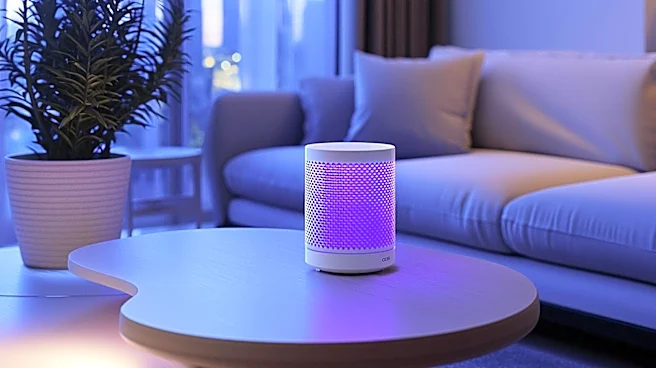
IoT devices are integral to home automation, encompassing lighting, heating, air conditioning, media, and security systems. Smart homes offer long-term benefits such as energy savings by automatically managing electronics and making residents aware of usage. A key application of smart homes is assisting the elderly and individuals with disabilities, using assistive technology like voice control and alert systems connected to medical implants or wearables. These systems can monitor health, detect emergencies like falls, and provide greater freedom and quality of life.
In healthcare, the Internet of Medical Things (IoMT) plays a fundamental role in managing chronic diseases, disease prevention, and control. Remote monitoring through wireless solutions allows health practitioners to capture patient data and apply algorithms for analysis. IoMT devices, ranging from blood pressure monitors to smart beds, can save billions in healthcare expenditures by increasing revenue and decreasing costs. The insurance industry also benefits from IoMT, gaining access to new types of dynamic information from biosensors, wearables, and connected health devices for more accurate underwriting and pricing models.
Beyond homes and healthcare, IoT is crucial for managing sustainable urban and rural infrastructures. This includes monitoring bridges, railway tracks, and wind farms for structural changes, enabling efficient repair and maintenance scheduling. Smart cities like Songdo, South Korea, are being built with extensive IoT integration to operate with minimal human intervention, offering services like parking search and environmental monitoring. Even waste management can benefit from IoT applications.
Emerging Concerns: Privacy, Security, and Control
The rapid growth of IoT technologies brings significant concerns, particularly regarding privacy and security. The interconnected nature of these devices makes them vulnerable to breaches, and the wireless communication creates regulatory ambiguities concerning data transfer. The American Civil Liberties Union (ACLU) has expressed concern that IoT could erode people's control over their own lives, fearing that the immense powers accumulating in the hands of corporations and governments could make individuals increasingly transparent while institutions become more opaque.
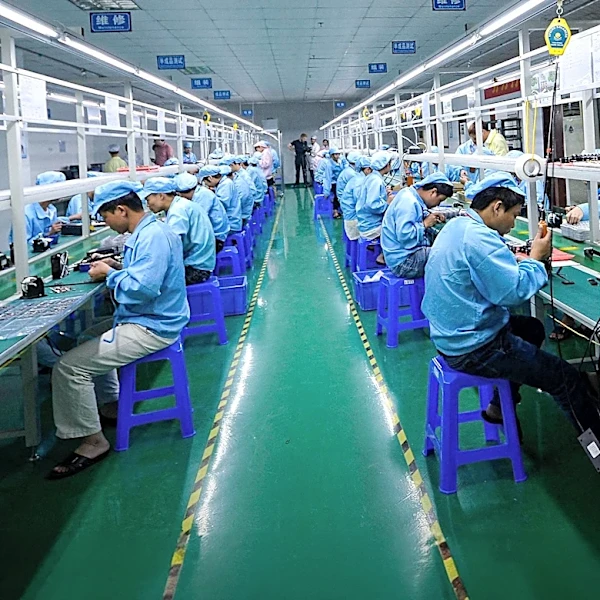
Data collection, storage, and processing are central to the IoT, with companies gathering vast amounts of data from multiple sources. This raises issues of consumer choice and data ownership, and how this data is used. Regulations and governance frameworks are still developing to address these privacy, security, and data ownership concerns. Furthermore, the environmental impact of manufacturing, using, and disposing of semiconductor-rich IoT devices, which contain heavy metals and toxic chemicals, is a growing societal question. As the IoT continues to expand, ensuring sustainable and secure deployment that respects individual privacy and control will be paramount.