









Nairobi, the capital of Kenya, has experienced remarkable growth since its founding in 1899. As the largest city in Kenya, Nairobi's population and urban landscape have evolved significantly over the years. This article delves into the demographic changes and urban development that have shaped Nairobi into the bustling metropolis it is today.
Demographic Changes in Nairobi
Nairobi's population has grown rapidly over the past century, making it one of the fastest-growing cities in Africa.
As of 2024, the city has an estimated population of 4.8 million, up from 4.3 million in 2019. This growth is driven by a combination of urban migration and high birth rates, reflecting ongoing trends in urbanization across the continent.
The city's demographics are characterized by a youthful and dynamic population, with many young people moving to Nairobi in search of better opportunities. This influx of new residents has contributed to the city's vibrant culture and diverse community. However, the rapid population growth has also posed challenges, such as increased demand for housing, infrastructure, and services.
Urban Development and Infrastructure
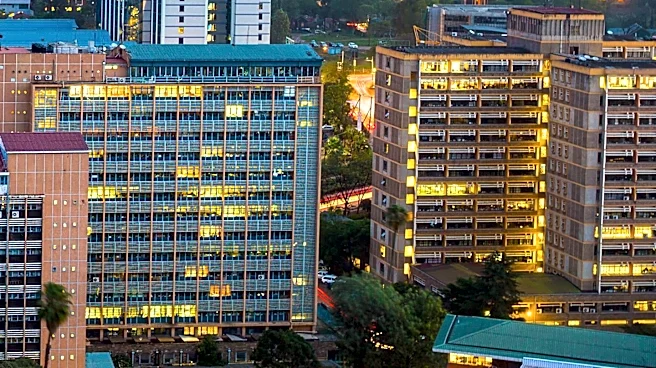
Nairobi's urban landscape has transformed dramatically since its early days as a railway camp. The city spans approximately 696 square kilometers, with a population density of about 6,900 inhabitants per square kilometer. This density highlights the need for efficient urban planning and infrastructure development to accommodate the growing population.
In recent years, Nairobi has seen significant investments in infrastructure, including the construction of new roads, bridges, and public transportation systems. These developments aim to improve connectivity within the city and reduce congestion, making it easier for residents to access jobs, education, and services. Additionally, efforts to upgrade housing and utilities have been made to address the needs of the city's expanding population.
Challenges and Opportunities
While Nairobi's growth presents numerous opportunities, it also brings challenges that require careful management. The city's rapid expansion has led to issues such as traffic congestion, pollution, and inadequate public services. Addressing these challenges is crucial to ensuring that Nairobi remains a livable and sustainable city for its residents.
Despite these challenges, Nairobi's growth also presents opportunities for economic development and innovation. The city's youthful population and dynamic economy make it an attractive destination for businesses and investors. By leveraging its strengths and addressing its challenges, Nairobi has the potential to continue its trajectory as a leading city in Africa.
In conclusion, Nairobi's rapid growth and development have transformed it into a vibrant and dynamic city. As the city continues to evolve, it must balance the demands of its growing population with the need for sustainable urban development. By doing so, Nairobi can continue to thrive as a major urban center in Africa.