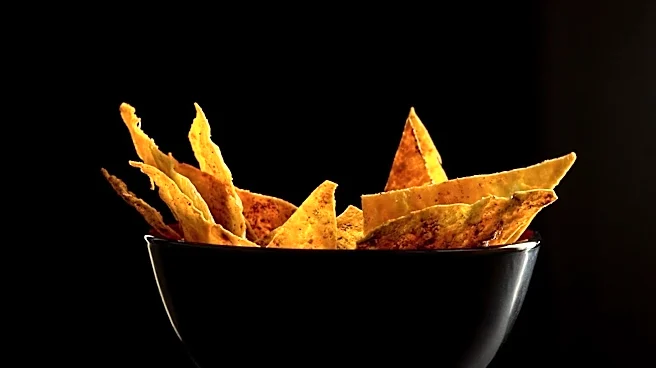









Tortilla chips have become a staple in American snack culture, often associated with Tex-Mex cuisine. Originating from Mexican culinary traditions, these chips have a rich history that traces back to the mid-20th century. Their journey from a regional delicacy to a nationwide favorite is a fascinating tale of innovation and adaptation.
Early Beginnings
Tortilla chips are made from corn tortillas, which are a fundamental part of Mexican cuisine. The process involves
nixtamalization, where corn is treated with lime, then ground into dough, and finally shaped into tortillas. These tortillas are then cut into triangles and fried to create the crispy snack we know today. Although similar items like totopos and tostadas were already popular in Mexico, the commercial production of tortilla chips began in the United States.
In the late 1940s, Rebecca Webb Carranza played a pivotal role in popularizing the triangular shape of tortilla chips. At her Mexican delicatessen and tortilla factory in Los Angeles, she used misshapen tortillas from an automated machine, cut them into triangles, and fried them. This innovation not only reduced waste but also introduced a new snack to the American market. Carranza's efforts were recognized in 1994 when she received the Golden Tortilla award for her contributions to the industry.
Expansion Across the United States
The popularity of tortilla chips began to rise significantly in the 1970s. Initially, they were a regional favorite in California, but their appeal soon spread across the country. By the late 1970s, tortilla chips started to compete with corn chips, which had been the preferred dipping chip for much of the 20th century.
Tortilla chips became a common appetizer in Tex-Mex and Mexican restaurants, often served with dips like salsa, guacamole, or chile con queso. Their versatility and ability to pair with various flavors made them a hit among American consumers. As their popularity grew, so did the variety of commercial brands, including well-known names like Tostitos and Doritos.
A Cultural Staple
Today, tortilla chips are a ubiquitous part of American snack culture. They are available worldwide, but the United States remains one of the largest markets. The snack's success can be attributed to its adaptability and the American love for Tex-Mex cuisine.
Tortilla chips have transcended their origins to become a symbol of cultural fusion, blending Mexican culinary traditions with American innovation. Whether enjoyed at a party, a restaurant, or a casual gathering, tortilla chips continue to be a beloved snack that brings people together.