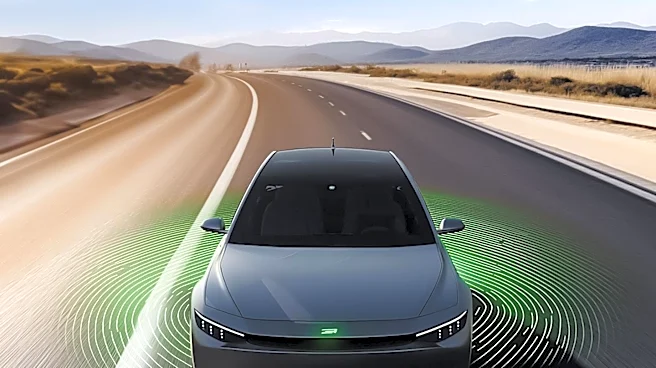






Lane departure warning systems (LDWS) are designed to improve road safety by alerting drivers when their vehicle begins to drift out of its lane. These systems address some of the primary causes of road accidents, such as driver error, distractions, and drowsiness. This article examines how LDWS contribute to reducing accidents and enhancing overall road safety.
Addressing Driver Error and Distractions
One of the main benefits of lane departure warning systems is their ability to mitigate
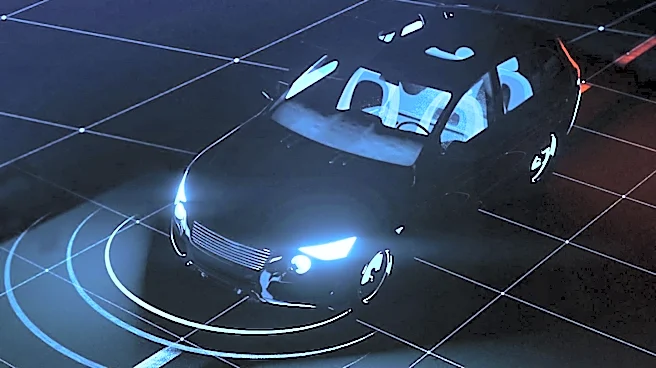
driver error and distractions. Many accidents occur when drivers unintentionally drift out of their lanes due to inattention or fatigue. LDWS use cameras and sensors to monitor lane markings and provide warnings when a vehicle begins to deviate from its lane without signaling.
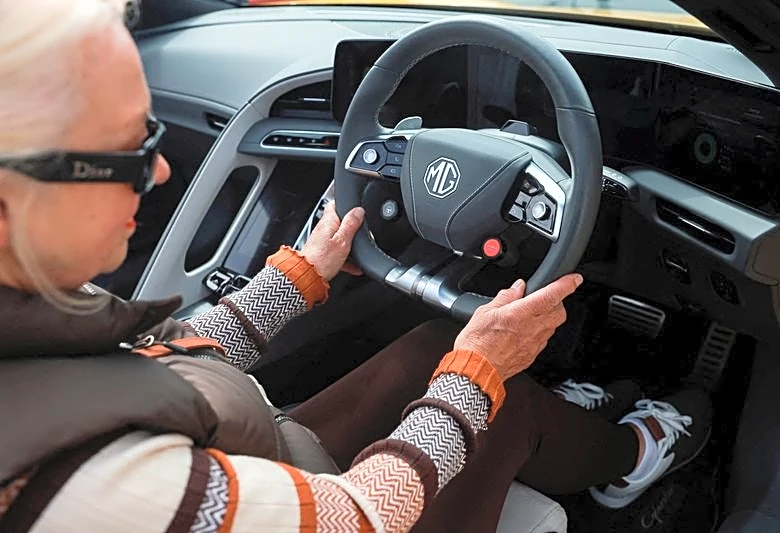
These warnings can take various forms, including audible alerts, visual indicators, or vibrations in the steering wheel or seat. By alerting drivers to their lane departure, these systems give them the opportunity to correct their course and avoid potential collisions. This proactive approach helps prevent accidents that might otherwise occur due to momentary lapses in attention.
Combating Drowsiness and Fatigue
Driver drowsiness is a significant factor in many road accidents, particularly on long highway journeys. Lane departure warning systems play a crucial role in combating this issue by providing timely alerts when a vehicle begins to drift. This can be especially beneficial for drivers who may not realize they are becoming fatigued.
By detecting unintentional lane departures, LDWS can prompt drivers to take necessary actions, such as pulling over for a rest or adjusting their driving behavior. This not only helps prevent accidents but also encourages safer driving practices. As a result, LDWS contribute to reducing the number of fatigue-related accidents on the road.
Integration with Advanced Driver Assistance Systems
Lane departure warning systems are often integrated with other advanced driver assistance systems (ADAS) to provide a comprehensive safety solution. For example, some vehicles combine LDWS with lane keeping assist, which actively steers the vehicle back into its lane if it begins to drift. This combination of features enhances the overall effectiveness of the system.
Additionally, LDWS can be paired with adaptive cruise control and traffic sign recognition systems to create a more holistic approach to road safety. By working together, these technologies help maintain safe distances between vehicles, ensure compliance with speed limits, and reduce the likelihood of accidents. As automotive technology continues to advance, the integration of LDWS with other safety features will likely become more prevalent, further enhancing road safety for all drivers.