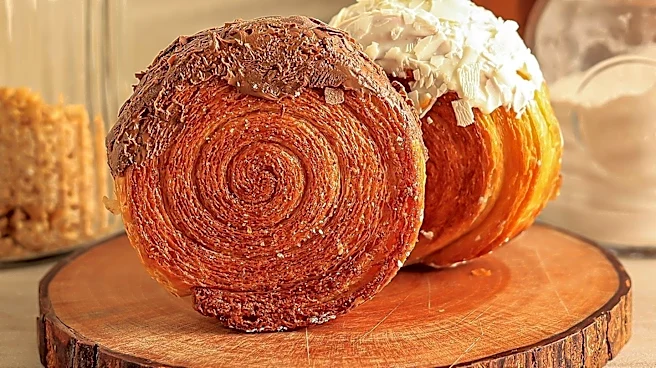


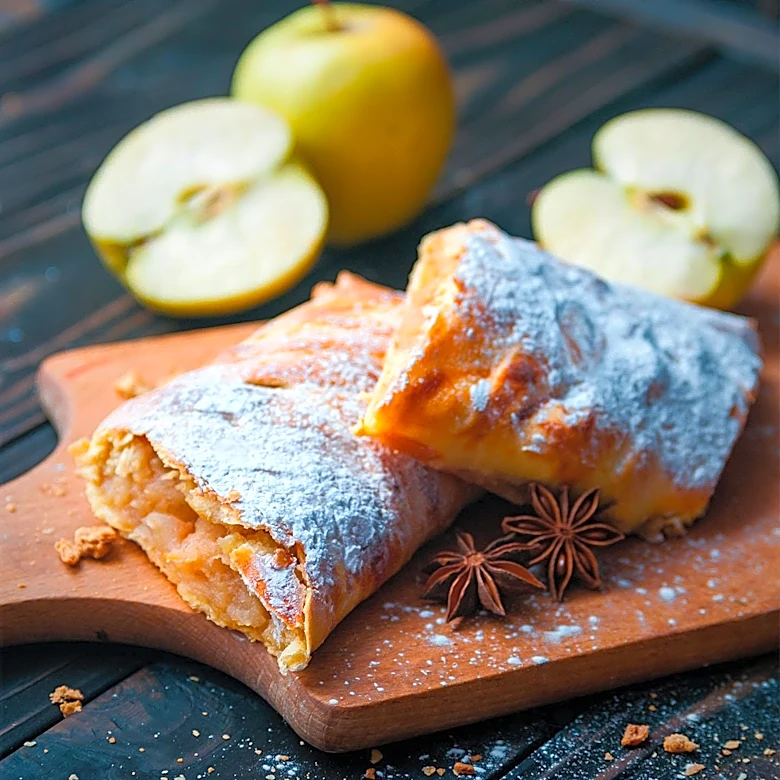
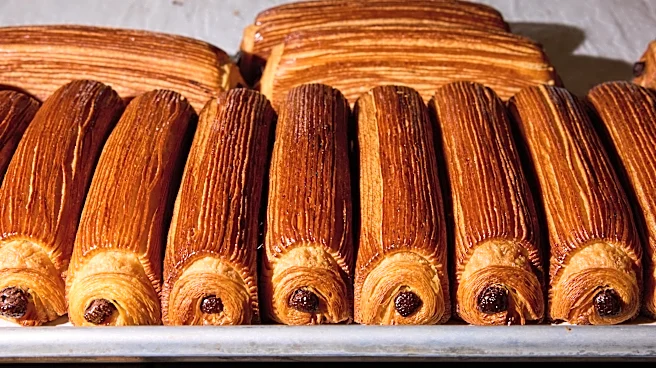
Danish pastry, a beloved sweet treat, is renowned for its distinctive multilayered, airy, and crispy texture. This characteristic is achieved through a specialized baking technique known as lamination, which involves carefully layering dough with fat. Classified as a viennoiserie, Danish pastry is made from a yeast-leavened dough, distinguishing it from traditional bread or puff pastry, yet sharing the laminated structure that creates its unique appeal.
Understanding the composition and the intricate lamination process reveals the artistry behind this popular confection.
Essential Ingredients and Their Roles
The foundation of Danish pastry lies in its specific blend of ingredients. The dough is primarily composed of wheat flour, milk, eggs, and sugar. These components provide the structure and sweetness necessary for the pastry. A crucial element is the yeast, which leavens the dough, contributing to its light and airy quality. However, what truly sets Danish pastry apart is the generous amount of fat incorporated into it, traditionally butter, though margarine is also commonly used, especially in industrial production. This fat is not simply mixed into the dough but is strategically layered to create the signature flaky texture.
Butter is the traditional fat of choice due to its flavor and texture contributions. However, for large-scale manufacturing, less expensive fats such as hydrogenated sunflower oil are often substituted. The choice of fat significantly influences the final taste and mouthfeel of the pastry. Beyond the dough itself, Danish pastries are frequently enhanced with various fillings. These can include fruit, cream cheese, custard, marzipan, or remonce, a rich cake-filling paste made by creaming softened butter with sugar. These fillings add another layer of flavor and moisture, complementing the pastry's delicate structure.
The Meticulous Lamination Process
The creation of Danish pastry involves a precise and repetitive lamination technique. It begins with rolling out a yeast dough into a thin sheet. This sheet is then carefully covered with thin slices of butter, which are placed between layers of the dough. The dough is subsequently folded and rolled out multiple times. This folding and rolling action is critical, as it creates numerous distinct layers within the dough. The goal is to achieve approximately 27 layers, which are essential for the pastry's characteristic flakiness.
To ensure proper handling and prevent the butter from melting or becoming too soft, the dough is often chilled between each folding and rolling step. This chilling process is vital for maintaining the integrity of the layers and preventing the fat from being absorbed too quickly into the dough. The repeated cycle of rolling, buttering, folding, and chilling ultimately transforms the simple yeast dough into a complex, multilayered structure. This intricate process results in a pastry that is airy and crispy on the outside, yet rich and buttery on the inside, offering a delightful contrast of textures that defines the Danish pastry experience.