






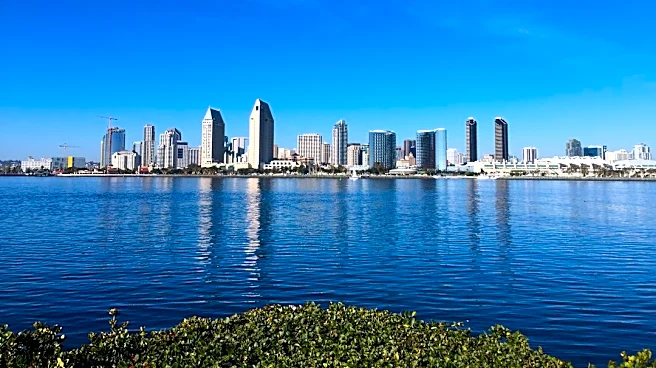

Mary Kathryn "Mickey" Wright, an iconic figure in American professional golf, began her journey long before she became a dominant force on the LPGA Tour. Born on February 14, 1935, in San Diego, California, Wright's early life laid the groundwork for a career that would see her win 82 LPGA Tour events and 13 major championships. Her path to professional golf was shaped by significant amateur achievements and a brief but impactful period in collegiate
athletics, demonstrating her prodigious talent from a young age. These formative experiences were crucial in developing the skills and competitive spirit that would define her legendary career.
Early Life and High School Foundations
Mickey Wright's roots were firmly planted in San Diego, California, where she attended Herbert Hoover High School. It was during these early years that her golfing prowess began to emerge. While specific details of her high school golf career are not extensively documented, her subsequent amateur successes indicate a strong foundation was built during this period. The competitive environment of her youth in San Diego likely contributed to her development as an athlete, preparing her for the higher levels of competition she would soon face.
Her early talent was undeniable, culminating in her first significant title, the 1952 U.S. Girls' Junior. This victory served as an early indicator of her potential and marked her as a rising star in the amateur golf circuit. Winning such a prestigious junior event at a young age showcased her exceptional skill and mental fortitude, qualities that would become hallmarks of her professional career.
Collegiate Experience and Amateur Dominance
Following her success in junior golf, Wright continued her academic and athletic pursuits at Stanford University. She played for Stanford's golf team, further honing her skills in a collegiate setting. Although she left before graduation, her time at Stanford provided valuable experience and exposure to high-level competition. This period was instrumental in her transition from a promising junior player to a formidable amateur.
Her amateur career reached its zenith in 1954, a pivotal year for Wright. She competed in the final of the U.S. Women's Amateur, demonstrating her ability to contend at the highest levels of amateur golf. While she ultimately lost in the final, this experience undoubtedly sharpened her competitive edge. Later that same year, she achieved a significant international victory, winning the 1954 World Amateur Championship. This triumph solidified her status as one of the world's leading amateur golfers and set the stage for her professional career. She turned professional later in 1954, ready to embark on a journey that would redefine women's golf.