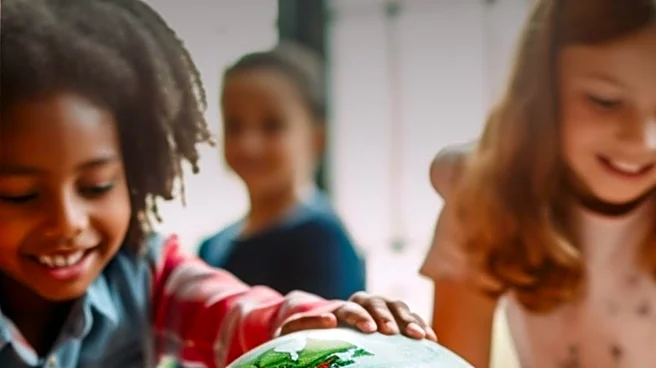











Special education has undergone significant transformations over the years, moving from isolation to inclusion. This evolution reflects changes in societal attitudes and legislative efforts to ensure that individuals with disabilities receive equitable educational opportunities.
Early History and Isolation
In the past, individuals with disabilities were often isolated and excluded from mainstream education. They were frequently placed in mental hospitals or institutions, facing
discrimination and even punishment. Disabled people were seen as an embarrassment to society, and their educational needs were largely ignored.
The situation began to change with the introduction of the Individuals with Disabilities Education Act (IDEA) in 1990. This legislation marked a turning point, prohibiting discrimination against students with disabilities in the educational system. It ensured that these students could not be excluded from schools and mandated that they receive appropriate educational services.
Key Legislation and Shifts
The IDEA was a critical piece of legislation that laid the foundation for inclusive education. It required schools to provide individualized education plans (IEPs) for students with disabilities, tailoring the curriculum to meet their unique needs. This approach aimed to create a uniform learning environment where all children could thrive.
The integration of special needs students into general-learning classrooms has proven beneficial. Studies have shown that students in integrated environments experience greater improvements in academic skills, such as reading, compared to those in isolated settings. Additionally, integrated classrooms offer social benefits, allowing special needs students to develop friendships and interpersonal skills.
Towards Inclusive Practices
Globally, the trend is towards increasing the number of students with special needs in regular classrooms. In Europe, the number of students in segregated special needs classrooms is declining, while inclusive practices are on the rise. However, challenges remain in countries like China, where cultural beliefs have hindered integration.
Efforts to create inclusive communities within schools are ongoing, with more funding allocated to support disabled students. These initiatives aim to provide equal educational opportunities and foster environments where all students can succeed.
The evolution of special education reflects a broader societal shift towards inclusion and equity. By recognizing the diverse needs of students with disabilities and implementing effective educational strategies, schools can ensure that all individuals have the opportunity to learn and grow. The journey from isolation to inclusion continues, driven by a commitment to providing quality education for all.