









Maine's state-managed lands are not only celebrated for their natural beauty but also for their significant role in preserving the state's rich history. Among the 35 state parks, public reserved lands, and state historic sites, a notable number are dedicated to showcasing historical events and industrial developments that shaped the region. These sites, primarily operated by the Maine Department of Conservation, offer a tangible connection to the past,
allowing visitors to explore military defenses, early industries, and ancient human settlements. They serve as vital educational resources, illustrating the diverse narratives that contribute to Maine's heritage.
Guardians of the Coast: Maine's Historic Forts
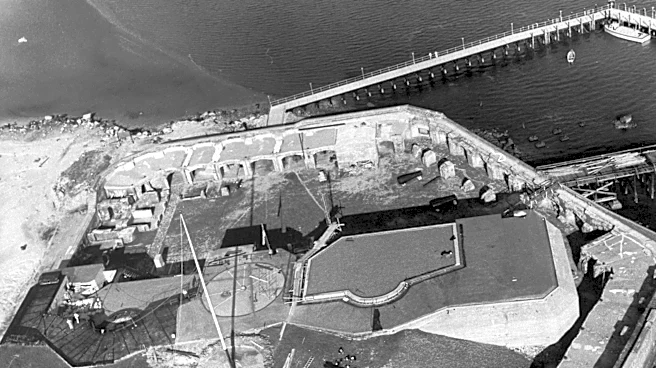
Maine's coastline, strategically important throughout various conflicts, is dotted with historic forts that are now preserved as state historic sites. Fort Baldwin, Fort Edgecomb, Fort Kent, Fort McClary, and Fort O'Brien stand as testaments to the state's military past, offering insights into defensive strategies and the lives of soldiers. Fort Knox, another prominent example, is particularly notable for its Penobscot Narrows Observatory, which provides a unique perspective on both the fort's architecture and the surrounding landscape. These forts represent different eras of military architecture and defense, from early colonial structures to more modern fortifications.
Visiting these sites allows for an immersive experience, where one can walk through preserved barracks, explore gun emplacements, and learn about the historical significance of each location. The preservation of these forts ensures that the stories of those who defended Maine's shores are not forgotten, and that future generations can understand the challenges and triumphs of the past. They are crucial components of Maine's historical landscape, drawing visitors interested in military history and architectural heritage.
Echoes of Industry: Katahdin Iron Works and Mayall Mills
Beyond military history, Maine's state historic sites also preserve the legacy of its industrial past. Katahdin Iron Works is a prime example, representing a significant chapter in the state's industrial development. This site showcases the remnants of a 19th-century iron-making operation, including a blast furnace and charcoal kilns. It provides a unique opportunity to understand the processes and scale of early industrial endeavors in a remote, natural setting. The preservation of such sites is vital for understanding the economic and technological history of Maine.
Similarly, Mayall Mills contributes to the narrative of Maine's industrial heritage. While specific details about Mayall Mills are not extensively provided, its inclusion as a state historic site indicates its importance in representing early manufacturing or processing activities within the state. Together, these industrial sites offer a glimpse into the ingenuity and hard work that characterized Maine's economic growth, demonstrating how natural resources were harnessed to build communities and industries. They highlight the transformation of the landscape through human enterprise and the enduring impact of these activities on the region.
Ancient Footprints: Whaleback Shell Midden
Adding another layer to Maine's historical preservation efforts is the Whaleback Shell Midden. This site offers a window into the lives of ancient inhabitants of the region, showcasing large accumulations of discarded shells and other refuse from prehistoric human settlements. Middens like Whaleback are invaluable archaeological resources, providing critical information about the diet, tools, and daily lives of indigenous peoples who lived in Maine thousands of years ago. They are a testament to the long human history of the area, predating European settlement.
The preservation of Whaleback Shell Midden underscores the commitment to understanding and protecting all facets of Maine's past, from its earliest human presence to its more recent military and industrial developments. These diverse historic sites, managed primarily by the Maine Department of Conservation, collectively form a comprehensive tapestry of Maine's heritage, inviting exploration and reflection on the many stories embedded within the state's landscape.