








Firefighting is a profession that involves significant risks, with firefighters often facing extreme heat and direct exposure to flames. To protect themselves in these hazardous conditions, firefighters rely on fireproof suits, which are specially designed to withstand high temperatures and provide a barrier against flames. These suits are a crucial component of a firefighter's gear, ensuring their safety and enabling them to perform their duties
effectively.
Design and Features of Fireproof Suits for Firefighters
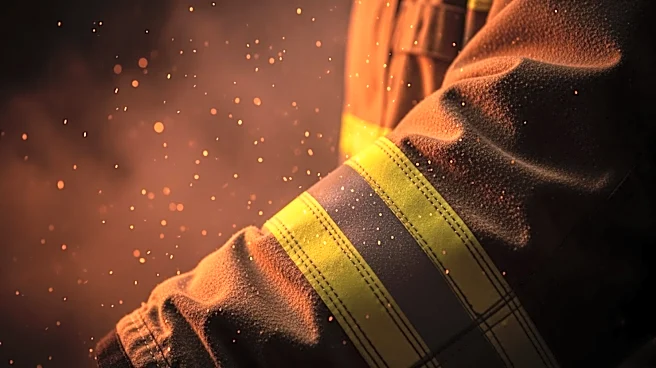
Fireproof suits for firefighters are meticulously designed to offer maximum protection while allowing for mobility and comfort. These suits typically consist of multiple layers of fire-resistant materials, such as Nomex, which provide a robust barrier against heat and flames. The outer layer is often treated with water-repellent coatings to prevent the absorption of water, which can add weight and reduce mobility.
In addition to their fire-resistant properties, these suits are equipped with various features to enhance safety and functionality. Reflective strips are commonly added to improve visibility in low-light conditions, while reinforced knee and elbow pads provide additional protection and durability. Some suits also incorporate integrated communication systems, allowing firefighters to coordinate effectively during emergencies.
The Importance of Fireproof Suits in Firefighting Operations
The primary function of fireproof suits in firefighting is to protect firefighters from the intense heat and flames they encounter during operations. These suits allow firefighters to approach and extinguish fires safely, reducing the risk of burns and heat-related injuries. By providing a reliable barrier against heat, fireproof suits enable firefighters to focus on their tasks without being hindered by concerns about their safety.
Moreover, fireproof suits play a vital role in rescue operations, where firefighters may need to enter burning buildings to save lives. The suits' protective features allow firefighters to navigate through hazardous environments, locate victims, and carry them to safety. This capability is essential for successful rescue missions, where every second counts.
Advancements in Fireproof Suit Technology
Over the years, advancements in materials and design have significantly improved the effectiveness of fireproof suits for firefighters. Modern suits are lighter, more comfortable, and offer better protection than earlier versions. Innovations such as moisture-wicking linings and improved ventilation systems have enhanced comfort, allowing firefighters to work for extended periods without overheating.
As technology continues to evolve, further improvements in fireproof suit design are expected. These advancements will likely focus on enhancing protection, comfort, and functionality, ensuring that firefighters have the best possible gear to perform their critical duties safely and effectively. Fireproof suits will remain an indispensable part of firefighting equipment, safeguarding those who risk their lives to protect others.