




Tempura is a culinary art that requires precision and skill to achieve its signature light and crispy texture. The preparation process involves a delicate balance of ingredients and techniques that have been refined over centuries. This article delves into the specifics of tempura preparation, highlighting the key elements that contribute to its unique appeal.
Crafting the Perfect Batter
The batter is the cornerstone of tempura, and its preparation is crucial to the dish's success.
Traditionally, tempura batter is made using iced water, eggs, and soft wheat flour, such as cake or pastry flour. The cold temperature of the batter is essential, as it helps maintain the crispness of the tempura when fried. To achieve this, ice is often added to the batter, or the mixing bowl is placed inside a larger bowl filled with ice.
The batter is mixed using chopsticks for only a few seconds, leaving lumps in the mixture. This technique prevents the activation of wheat gluten, which would otherwise result in a dough-like texture. The presence of lumps, along with the cold batter temperature, contributes to the fluffy and crisp structure of tempura. Some recipes may include baking soda or baking powder to further lighten the batter.
Frying Techniques and Ingredients
Tempura is typically deep-fried, and the choice of oil can significantly impact the flavor and texture of the dish. In Japan, sesame oil is often used, either alone or mixed with other oils, to impart a rich taste. The frying process is quick, usually taking only two to three minutes, ensuring that the ingredients remain tender and flavorful.
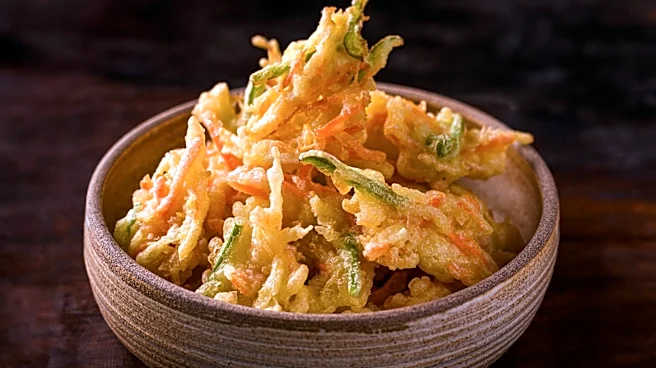
The ingredients used in tempura are diverse, ranging from seafood like shrimp and squid to vegetables such as onions, carrots, and shiso leaves. Each piece is cut to bite-size portions, allowing for even cooking. The absence of breadcrumbs, or panko, distinguishes tempura from other fried foods, such as tonkatsu or ebi furai, which are classified as furai.
Serving and Enjoying Tempura
Tempura is best enjoyed hot, immediately after frying. It is commonly served with tentsuyu sauce, made from dashi, mirin, and soy sauce, or simply sprinkled with sea salt. Grated daikon is often added to the sauce, providing a refreshing contrast to the rich flavors of the tempura.
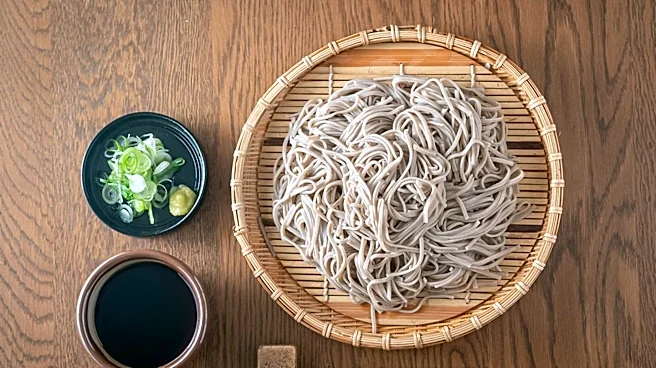
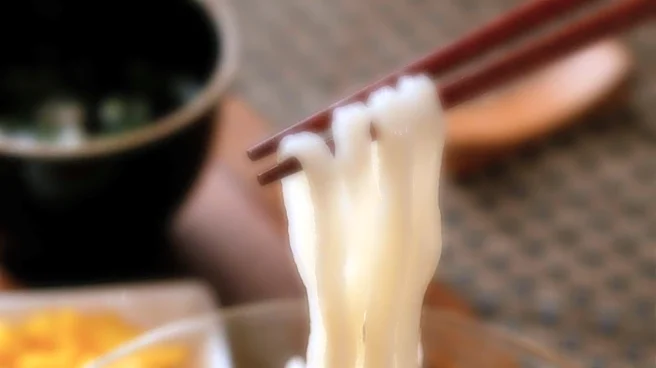
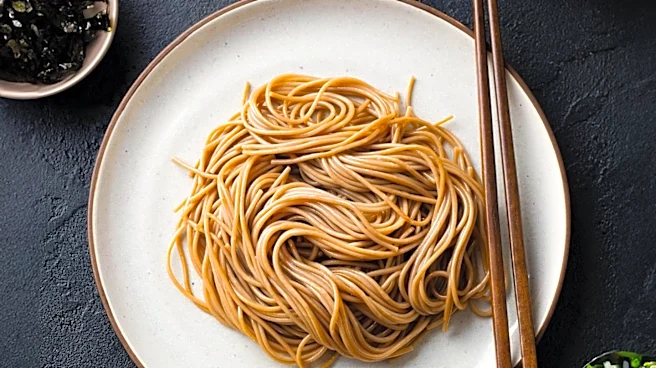
In addition to being a standalone dish, tempura is frequently incorporated into other meals, such as soba or udon noodles. Its versatility and adaptability have made it a beloved component of Japanese cuisine, appreciated for its delicate texture and harmonious flavors.