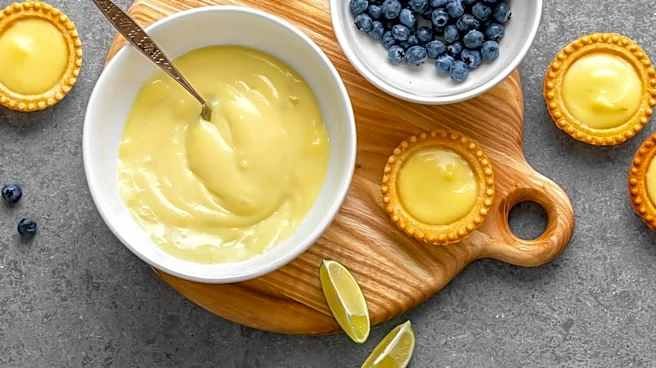







Creating the perfect custard is an art that demands precision and an understanding of various cooking techniques. Whether aiming for a thin pouring sauce or a thick pastry cream, the method of preparation significantly influences the final texture and consistency. From gentle heating in a saucepan to the controlled environment of a water bath, each technique is designed to manage the delicate balance required to cook eggs and milk without curdling,
ensuring a smooth and luscious result.
Mastering Heat Control: The Key to Smooth Custard
Custard preparation is a delicate operation, primarily because egg proteins are highly sensitive to temperature. A mere increase of 5.4–10.8 degrees Fahrenheit (3–6 degrees Celsius) can lead to overcooking and curdling. Generally, a fully cooked custard should not exceed 176 degrees Fahrenheit (80 degrees Celsius), as it begins setting at 158 degrees Fahrenheit (70 degrees Celsius). This narrow temperature window necessitates careful heat management.One common method to achieve this control is cooking custard in a double boiler, also known as a bain-marie. This technique provides gentle, indirect heat, preventing the custard from cooking too quickly or unevenly. Custard can also be heated very gently in a saucepan on a stove, though this requires constant stirring and vigilance. For baked custards, using a water bath (bain-marie) in the oven is crucial. The water bath slows down heat transfer to the custard, making it easier to remove it from the oven before it curdles, thus ensuring a smooth, creamy texture. Even steaming or cooking in a pressure cooker are viable options, each offering different levels of heat control.
The Role of Starch and Specialized Custards
Adding a small amount of cornflour (known as corn starch in Canada and the U.S.) to the egg-sugar mixture can stabilize the resulting custard. This addition allows the custard to be cooked more robustly, even in a single pan without a double boiler, by acting as a heat buffer. The starch absorbs heat as it hydrates, helping to maintain a constant rate of heat transfer and preventing the eggs from over-coagulating prematurely. This results in a smoother texture and a thicker mouthfeel.When starch is a primary thickening agent alongside eggs, the result is often called 'pastry cream' (crème pâtissière) or confectioners' custard. This type of custard is made with a combination of milk or cream, egg yolks, fine sugar, flour or another starch, and typically a flavoring like vanilla, chocolate, or lemon. Pastry cream is a fundamental ingredient in many French desserts, such as mille-feuille and filled tarts, and is also used in Italian pastry and Boston cream pie. The starch in pastry cream not only prevents overcooking of the eggs but also helps the cream set, often requiring it to be beaten or whipped before use to achieve its desired consistency. For ultimate precision in temperature control, a sous-vide water bath can be employed, ensuring the custard cooks perfectly every time.