





The Kashmir shawl is not just a piece of clothing; it is a masterpiece of craftsmanship that has been perfected over centuries. Known for its intricate designs and luxurious feel, the Kashmir shawl is a testament to the skill and artistry of Kashmiri weavers. This article explores the techniques and craftsmanship that go into creating these exquisite garments.
The Art of Weaving
The creation of a Kashmir shawl begins with the selection of the finest materials. Traditionally,
these shawls are made from pashmina or shahtoosh wool, both of which are known for their softness and warmth. Pashmina wool comes from the Changthangi goat, while shahtoosh is derived from the Tibetan antelope. The fineness of the wool is crucial, as it determines the quality and feel of the finished shawl.
Once the wool is selected, it is spun into yarn by skilled artisans. The spinning process is done by hand, ensuring that the yarn is of the highest quality. The yarn is then dyed in vibrant colors, often using natural dyes that have been used for generations. The colors are carefully chosen to complement the intricate designs that will be woven into the shawl.
Intricate Designs and Patterns
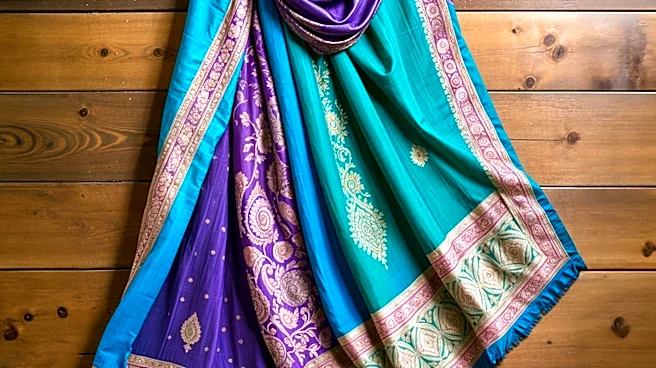
The designs on a Kashmir shawl are what set it apart from other garments. These designs are often inspired by nature, featuring motifs such as flowers, leaves, and trees. The paisley motif, a stylized representation of a cypress tree, is one of the most iconic designs found on Kashmir shawls.
The weaving process is a meticulous task that requires great skill and precision. Artisans use a technique known as 'kani' weaving, where small wooden sticks, or 'kanis,' are used to weave the intricate patterns. This technique allows for the creation of detailed designs that are both beautiful and durable. The weaving process can take several months to complete, depending on the complexity of the design.
The Legacy of Kashmiri Craftsmanship
The craftsmanship behind the Kashmir shawl is a reflection of the rich cultural heritage of the region. These shawls have been worn by nobility and royalty for centuries, and their creation is considered an art form. The skills required to make a Kashmir shawl are passed down through generations, ensuring that this tradition continues to thrive.
Today, the Kashmir shawl remains a symbol of luxury and elegance. Its intricate designs and exquisite craftsmanship make it a cherished possession for those who appreciate the artistry and skill that goes into its creation.