






Bangles are far more than simple accessories in Indian culture; they are potent symbols deeply woven into the fabric of tradition, marking significant life events, expressing marital status, and even contributing to artistic performances. These circular, inflexible ornaments, worn predominantly by women, carry layers of meaning that reflect the rich cultural heritage of the Indian subcontinent. Their presence is ubiquitous at festivals, weddings,
and in various dance forms, underscoring their multifaceted role in daily life and ceremonial practices.
Symbols of Tradition and Marital Status
In India, bangles are widely regarded as signs for traditional women and girls, embodying cultural identity and adherence to customs. They are frequently worn in pairs, with women adorning one or more on each arm, or sometimes several on a single wrist. While gold and glass bangles are particularly favored, often worn in combination, the choice of material can also carry specific symbolic weight. For instance, married Bengali and Oriya Hindu women traditionally wear white bangles made from sea shell, signifying their marital status.
One of the most significant cultural contexts for bangles is marriage. A "chura" is a special set of bangles traditionally worn by a bride on her wedding day, and for a period afterward, especially in Punjabi weddings. This custom highlights the bangle's role as a marker of new beginnings and a symbol of a woman's transition into married life. Interestingly, tradition dictates that a woman is not supposed to buy the bangles she will wear for her wedding, emphasizing the ceremonial and gifted nature of these ornaments.
Occasions and Aesthetic Preferences
Bangles are indispensable at traditional occasions such as marriages and festivals. While plastic bangles are slowly gaining ground due to their affordability, glass bangles remain the preferred choice for these important events, valued for their traditional appeal and perhaps their delicate sound. The designs available range from simple to highly intricate, often featuring precious and semi-precious stones like diamonds, gems, and pearls, catering to diverse tastes and the grandeur of the occasion.
The aesthetic appeal of bangles is also enhanced by their auditory quality. Sets of expensive bangles made of gold and silver are known to produce a distinctive jingling sound, which is often considered desirable. In contrast, imitation jewelry tends to make a tinny sound. This attention to both visual and auditory details underscores the comprehensive sensory experience associated with wearing bangles in Indian culture.
Bangles in Indian Dance Forms
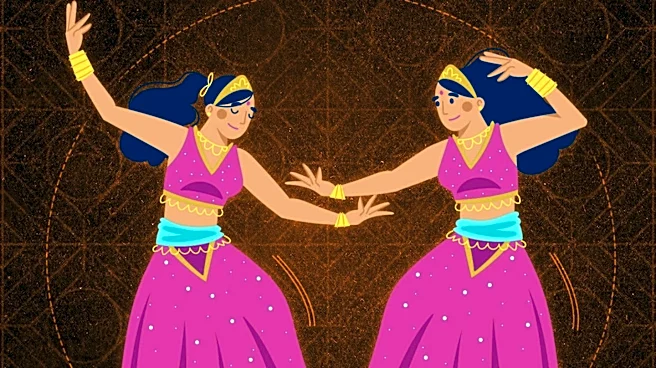
Beyond their role in personal adornment and ceremonial practices, bangles play a very important part in various Indian dance forms. In these artistic expressions, bangles are not merely decorative; they become an integral part of the performance. The rhythmic striking of bangles against each other can produce a tone, adding a percussive element to the dance. This integration of jewelry into the performance highlights the deep connection between adornment, music, and movement in Indian artistic traditions.
The use of bangles in dance forms demonstrates their versatility and their ability to transcend their primary function as jewelry, becoming tools for artistic expression. This aspect further solidifies their cultural significance, showcasing how these seemingly simple ornaments contribute to the richness and complexity of Indian cultural practices.