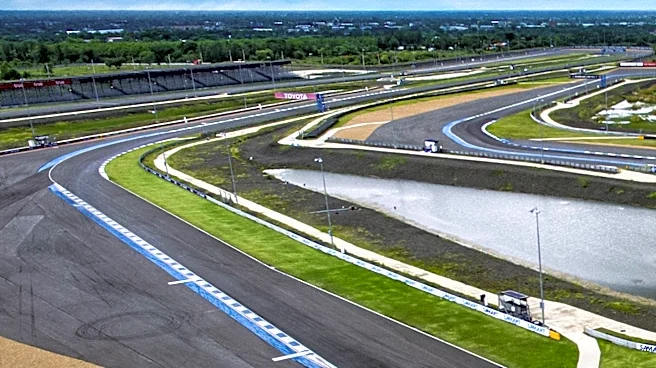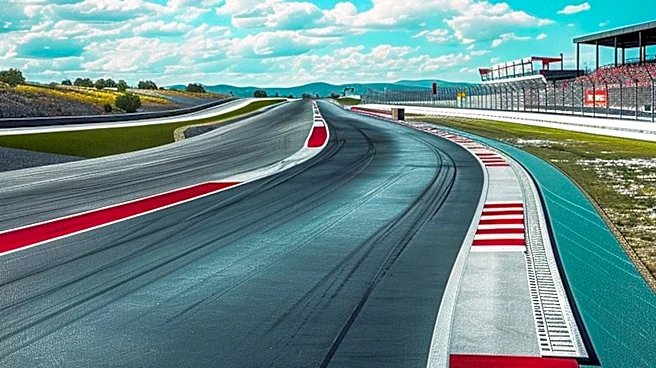






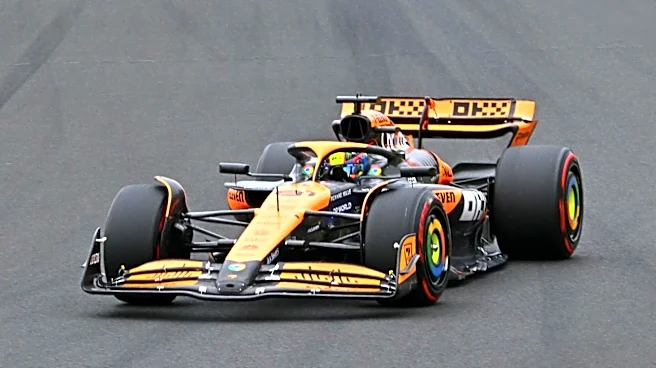
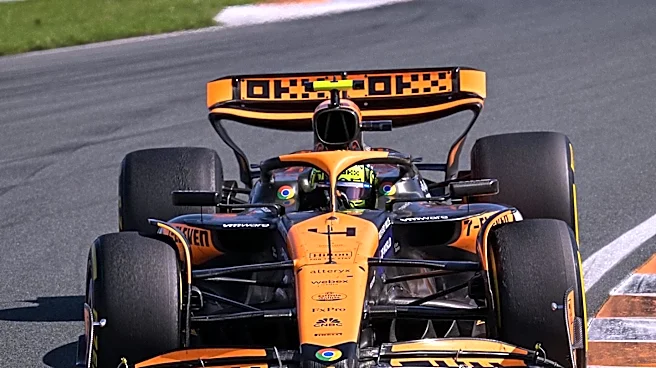
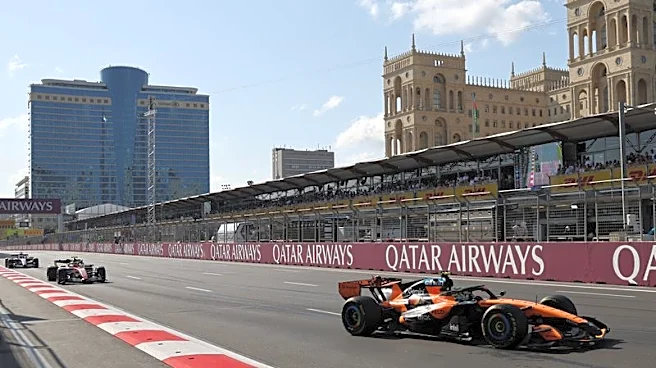
The Bahrain International Circuit (BIC), situated in Sakhir, Bahrain, is a versatile motorsport venue that has been a cornerstone of racing in the Middle East since its opening in 2004. Spanning 5.412 kilometers, the circuit is not only famous for hosting the annual Formula One Bahrain Grand Prix but also for its capacity to accommodate a wide array of other racing disciplines. Its design, featuring multiple layouts, and its top-tier FIA Grade 1 license
underscore its capability to host events of the highest international standard.
A Spectrum of Racing Disciplines
The BIC's calendar is rich with various motorsport events, showcasing its adaptability and appeal to different racing series. Beyond the pinnacle of Formula One, the circuit has been a regular host for the GP2 Series, which is now known as FIA Formula 2, serving as a crucial stepping stone for aspiring Formula One drivers. The venue also caters to the raw power and speed of drag racing, attracting enthusiasts and competitors from across the region and beyond.
Endurance racing is another significant component of the BIC's event schedule, with 24-hour endurance races testing the limits of both machinery and human stamina. These events highlight the circuit's robust infrastructure and its ability to support prolonged, demanding competitions. Furthermore, from 2006, the circuit hosted the Australian V8 Supercars, an event known as the Desert 400, which brought a different flavor of touring car racing to the Bahraini track, although this series did not return after the 2010 season.
Circuit Characteristics and Safety Standards
The Bahrain International Circuit is recognized for its distinctive characteristics, particularly its large run-off areas. While these areas have sometimes drawn criticism for potentially not penalizing driver mistakes severely enough, they play a crucial role in enhancing safety and preventing sand from being blown onto the track, a common concern in desert environments. These features contribute to the circuit's reputation as one of the safest venues in Formula One.
In 2007, the BIC received the distinguished FIA Institute Centre of Excellence award, a testament to its exceptional safety protocols, highly trained race marshals, and state-of-the-art medical facilities. This award also acknowledged the high standards of technology employed to maintain these critical safety aspects, reinforcing the circuit's commitment to driver and spectator well-being. The circuit's ability to offer multiple layouts further adds to its operational flexibility, allowing it to be configured for different types of races and to present varied challenges to competitors.
The Grand Prix Experience and Local Context
The Bahrain Grand Prix, officially known as the Gulf Air Bahrain Grand Prix for sponsorship reasons, has been a fixture on the Formula One calendar since 2004. The event is not just a race but a significant cultural and sporting occasion. Interestingly, while alcohol is legal in Bahrain, podium celebrations at the Grand Prix use a non-alcoholic rosewater drink called Waard instead of traditional champagne, reflecting local customs.
The circuit's construction was a national objective, driven by the Crown Prince, Shaikh Salman bin Hamad Al Khalifa. This deep-rooted local support has ensured the circuit's continuous development and its prominent position in global motorsport. The BIC's ongoing success in hosting a diverse range of events solidifies its status as a premier motorsport hub, drawing international attention and contributing to Bahrain's sporting legacy.