





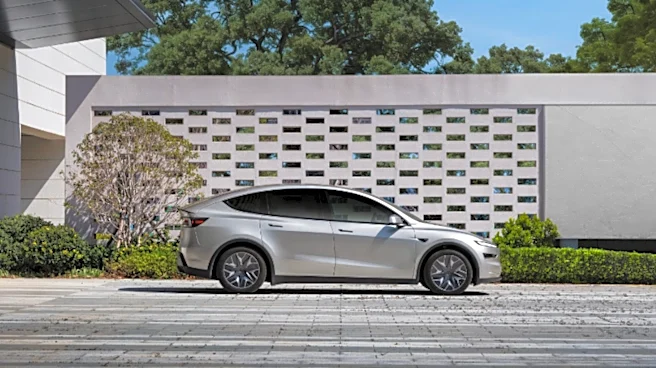


The Tesla Model 3 is not just an electric vehicle; it represents a significant shift in automotive design. Since its introduction in 2017, the Model 3 has been praised for its innovative design choices that set it apart from traditional vehicles. This article explores the design elements of the Tesla Model 3, highlighting how it revolutionizes the aesthetic and functional aspects of electric vehicles.
Exterior Design and Aerodynamics
The exterior design of the Tesla Model 3 is a testament
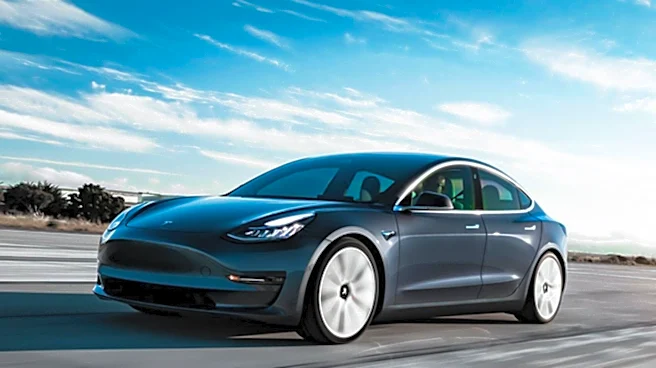
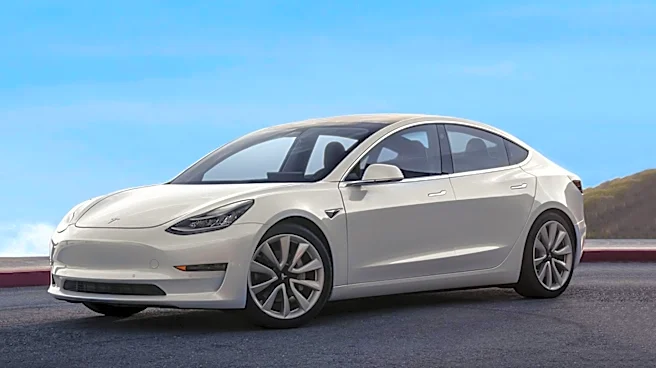
to the company's commitment to innovation. Designed by Franz von Holzhausen, the Model 3 features a sleek, minimalist look that breaks away from conventional automotive design. One of the most notable aspects is the absence of a traditional front grille. Unlike internal combustion vehicles, electric cars do not require large openings for engine cooling, allowing Tesla to create a smooth, uninterrupted front surface.
This design choice not only enhances the vehicle's aesthetic appeal but also improves its aerodynamics. The streamlined shape of the Model 3 reduces air resistance, contributing to its impressive energy efficiency and range. The focus on aerodynamics is a crucial aspect of electric vehicle design, as it directly impacts the vehicle's performance and efficiency.
Interior Innovation and Space Utilization
Inside the Tesla Model 3, the design philosophy of simplicity and functionality continues. The interior is dominated by a large touchscreen that controls most of the vehicle's functions, eliminating the need for numerous buttons and switches. This minimalist approach creates a clean and uncluttered cabin, enhancing the overall driving experience.
The Model 3 also maximizes interior space through clever design choices. The flat floor, made possible by the underfloor battery placement, provides ample legroom for passengers. Additionally, the expansive glass roof creates an open and airy atmosphere, further enhancing the sense of space within the vehicle. These design elements reflect Tesla's focus on creating a comfortable and user-friendly environment for drivers and passengers alike.
Impact on the Automotive Industry
The design of the Tesla Model 3 has had a profound impact on the automotive industry. By challenging traditional design norms, Tesla has set a new standard for electric vehicles. The Model 3's success has prompted other manufacturers to rethink their approach to vehicle design, particularly in the electric vehicle segment.
Tesla's emphasis on aerodynamics, interior space, and minimalist design has influenced the broader market, encouraging innovation and competition. As more manufacturers enter the electric vehicle space, the design principles established by the Model 3 are likely to continue shaping the future of automotive design. The Tesla Model 3 stands as a symbol of the potential for electric vehicles to not only match but surpass traditional vehicles in both form and function.