




In December 1998, the U.S. House of Representatives took the significant step of impeaching President Bill Clinton, marking a pivotal moment in American political history. This action followed an intensive inquiry and ultimately led to a Senate trial in early 1999. The impeachment was based on two primary charges: perjury and obstruction of justice. These accusations arose from a sexual harassment lawsuit filed against President Clinton by Paula Jones,
which brought to light issues concerning his testimony under oath and his conduct regarding investigations.
The Genesis of the Charges: The Paula Jones Lawsuit
The foundation for the impeachment charges against President Clinton was laid by a sexual harassment lawsuit initiated by Paula Jones. This civil case brought scrutiny to Clinton's personal conduct and, crucially, to his sworn testimony. The legal proceedings surrounding the Jones lawsuit eventually led to questions about the veracity of Clinton's statements, particularly concerning his relationship with White House intern Monica Lewinsky. It was within this context that independent counsel Ken Starr conducted an extensive investigation, gathering information that would later form the basis of the impeachment articles.
The House Committee on the Judiciary, despite Starr's comprehensive investigation, did not conduct its own extensive inquiries into Clinton's alleged wrongdoing or hold serious impeachment-related hearings before the 1998 midterm elections. However, the information gathered by Starr was central to the subsequent actions taken by the House of Representatives. The focus on Clinton's deposition testimony, specifically regarding whether he had been alone with Ms. Lewinsky and whether he had engaged in sexual relations with her, became critical. The independent counsel's findings concluded that the president's testimony on these matters was intentionally false.
The House of Representatives' Role: From Inquiry to Impeachment
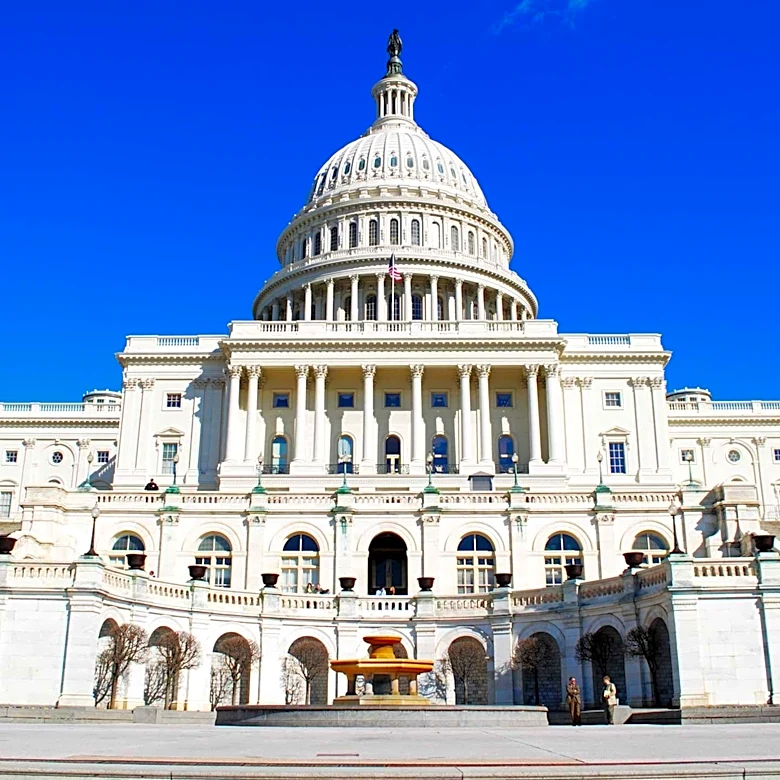
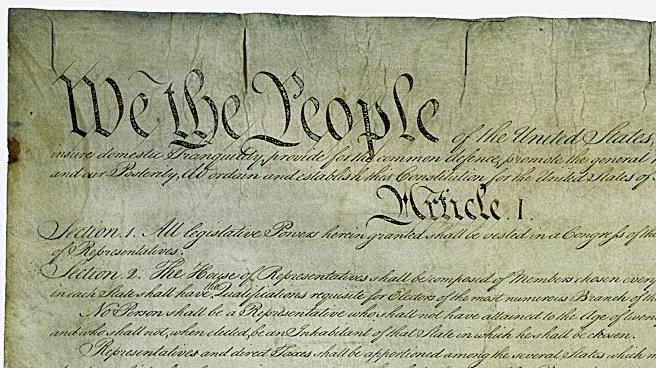
The U.S. Constitution grants the House of Representatives the "sole power of impeachment." This means the House is responsible for initiating the impeachment process by formally bringing charges against a federal official. In President Clinton's case, an impeachment inquiry was authorized, and after deliberation, the House considered four proposed articles of impeachment. On December 19, 1998, after thirteen and a half hours of debate spread over two days, the House narrowly approved two of these articles.
The two articles that passed were for perjury related to grand jury testimony and for obstruction of justice. The article concerning perjury in the Jones case and another for abuse of power were rejected. The approval of these two articles made Bill Clinton only the second president in U.S. history to be impeached by the House, following Andrew Johnson in 1868. This decision by the House set the stage for the subsequent trial in the Senate, where the ultimate determination of guilt or innocence would be made.
Political Climate and Public Opinion Leading to Impeachment
Leading up to the impeachment vote, the political landscape was highly charged. Impeachment became a major issue in the 1998 midterm elections. Republicans, in the closing weeks of campaigning, ran television advertisements attacking Democrats over Clinton's affair with Monica Lewinsky. However, the election results did not align with Republican predictions; Democrats gained five seats in the House, though Republicans maintained their majority. Exit polls from the midterms indicated that most Americans opposed impeachment, suggesting a disconnect between the public's sentiment and the actions of some members of Congress.
Despite public opposition to impeachment, a group of eleven moderate House Republicans declared on December 15, 1998, that they would vote to impeach Clinton, diminishing hopes that Republicans might lack the necessary votes. The debate on impeachment was even delayed due to the bombing of Iraq. Amidst this, House Speaker-designate Bob Livingston admitted to his own marital infidelity, attempting to distinguish his situation from Clinton's by noting his infidelity was not with a staff member and he had not been asked to testify under oath. On December 19, Livingston resigned from Congress and encouraged Clinton to do the same, though Clinton chose to remain in office. Ultimately, the House's vote to impeach reflected a deeply divided political environment and a determination by a majority to pursue the charges against the President.