





The Watergate scandal is one of the most significant political events in American history, leading to the resignation of President Richard Nixon. It began with a break-in at the Democratic National Committee headquarters in 1972 and unfolded into a complex web of political espionage and cover-ups. This scandal not only exposed the depths of political corruption but also reshaped the landscape of American politics.
The Break-In and Initial Cover-Up
On June 17, 1972, five men were arrested
for breaking into the Democratic National Committee headquarters at the Watergate complex in Washington, D.C. These operatives were linked to President Nixon's re-election campaign and were caught attempting to plant listening devices. The break-in was part of a larger operation known as Operation Gemstone, orchestrated by former intelligence agents E. Howard Hunt and G. Gordon Liddy.
Following the arrests, the Nixon administration quickly moved to cover up its involvement. Despite initial denials, it was later revealed that the administration had destroyed evidence, obstructed investigations, and even bribed the burglars to ensure their silence. These actions temporarily succeeded in keeping the scandal under wraps, allowing Nixon to win re-election in a landslide.
Investigations and Revelations
The scandal began to unravel thanks to the persistent efforts of journalists and investigators. Reporters Bob Woodward and Carl Bernstein of The Washington Post played a crucial role in uncovering the truth, guided by their mysterious source known as "Deep Throat." Their reporting raised questions about the administration's involvement and suggested a broader pattern of political espionage.
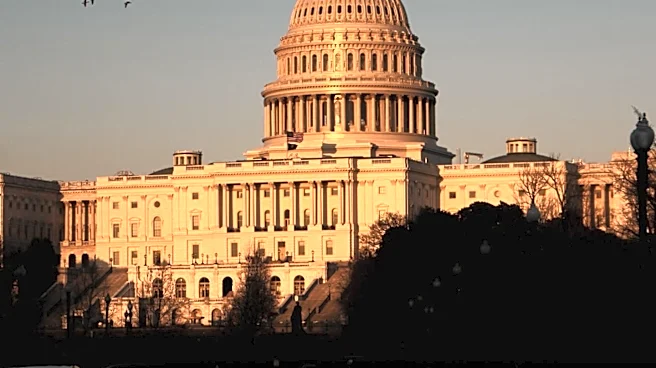
In February 1973, the Senate voted to create the Select Committee on Presidential Campaign Activities, chaired by Sam Ervin. This committee was instrumental in gathering evidence that led to the indictment of numerous administration officials. The committee's findings revealed the extent of the cover-up and the illegal activities conducted by Nixon's aides, setting the stage for the impeachment process.
The Fall of a President
As the investigation progressed, it became clear that President Nixon was deeply involved in the scandal. The House Committee on the Judiciary introduced three articles of impeachment against him, citing obstruction of justice, abuse of power, and contempt of Congress. Facing inevitable impeachment and removal from office, Nixon chose to resign on August 9, 1974.
The Watergate scandal had far-reaching consequences, leading to a loss of trust in government and prompting reforms in campaign finance and political ethics. It remains a pivotal moment in American history, illustrating the importance of accountability and transparency in government.