






Backbends are a significant component of modern yoga, offering both physical and mental benefits. These poses involve bending the spine backward, which can enhance flexibility and strength. However, they require careful practice, especially for beginners or those with stiff backs, to avoid injury. This article delves into the integration of backbends in yoga, their benefits, and the precautions necessary for safe practice.
Understanding Backbending Asanas
In modern yoga, backbending
asanas such as Kapotasana, Ustrasana, Urdhva Dhanurasana, and Rajakapotasana are commonly practiced. These poses are considered strenuous and should be approached with caution, particularly by those new to yoga or with less flexible spines. The key to mastering these poses lies in gradual practice and listening to one's body to prevent strain or injury.
Backbends are not just about flexibility; they also require strength and stability. The abdominal muscles, obliques, and legs play crucial roles in maintaining balance and control during these poses. Practitioners often start with simpler poses like the bridge to familiarize their bodies with the movements and positions involved in backbending.
Benefits of Backbends in Yoga
Backbends offer numerous benefits, both physically and mentally. Physically, they help improve spinal flexibility and strength, which can contribute to better posture and reduced back pain. The stretching of the front body and strengthening of the back muscles can lead to a more balanced and aligned body.
Mentally, backbends are known to be energizing and can help alleviate stress and anxiety. The act of opening the chest and heart area is often associated with releasing emotional tension and fostering a sense of openness and confidence. This makes backbends a valuable addition to a holistic yoga practice.
Precautions and Safe Practice
While backbends can be beneficial, they must be practiced safely to avoid injury. Beginners should approach these poses gently and consider working with a qualified instructor to ensure proper alignment and technique. It's important to warm up adequately before attempting backbends and to listen to the body's signals to avoid pushing beyond one's limits.
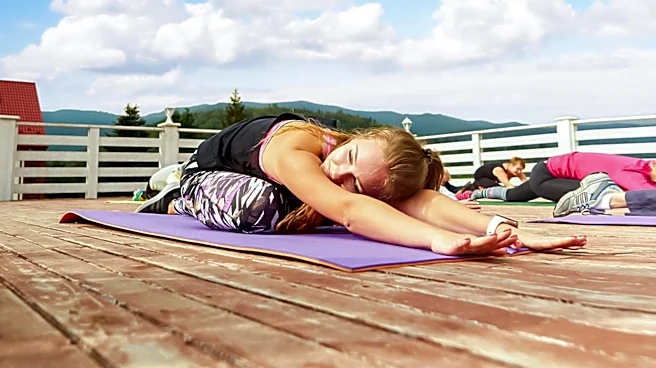
After practicing backbends, it's recommended to follow up with twisting asanas like Marichyasana or Matsyendrasana, or gentle forward bends such as Janusirsasana. These poses help release the spine and counterbalance the effects of backbending, promoting overall spinal health and flexibility.
In conclusion, backbends are a valuable part of modern yoga, offering a range of benefits when practiced mindfully. By understanding the poses, their benefits, and the necessary precautions, practitioners can safely incorporate backbends into their yoga routines.