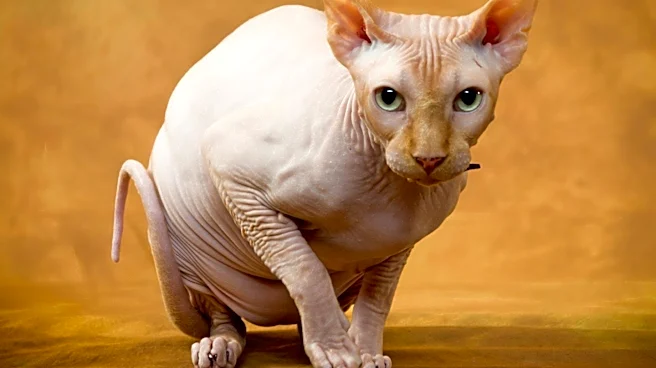

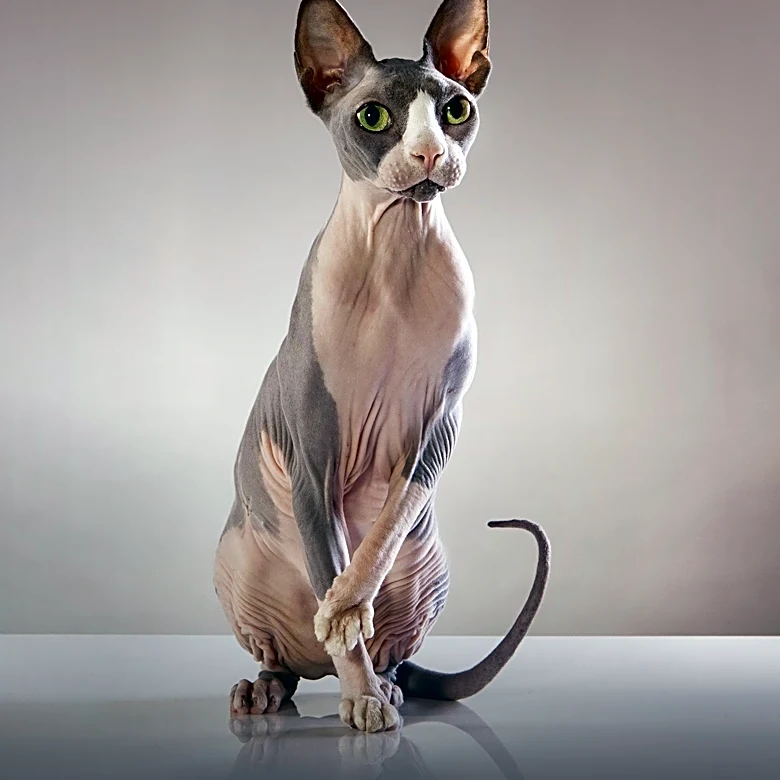



The Sphynx cat, a breed celebrated for its unique hairless appearance, has a history rooted in natural genetic mutations and dedicated breeding efforts. While reports of hairless cats date back to ancient times, including mentions of such felines kept by the Aztecs, the modern Sphynx breed as we know it today originated in Canada in the 1960s. Its development involved careful selective breeding to establish and refine the distinctive characteristics
that define this beloved companion animal.
Early Origins in Canada and the United States
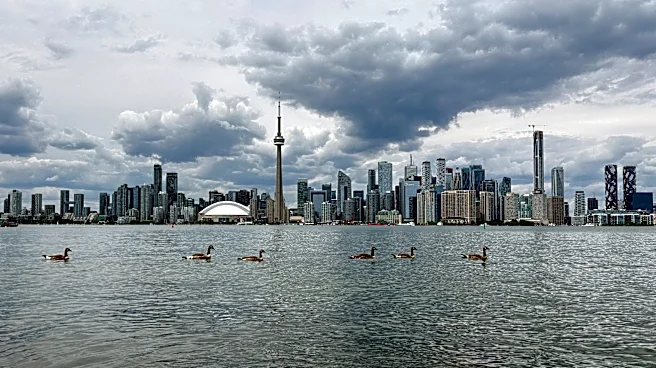
The contemporary Sphynx breed traces its lineage to two primary lines of natural mutations discovered in North America during the 1970s. The first significant event occurred in 1966 in Toronto, Ontario, Canada, when a hairless male kitten named Prune was born to a domestic shorthair queen. This initial discovery sparked interest, leading to efforts by a University of Toronto science graduate, his mother Yania (a Siamese breeder), and Keese and Rita Tenhoves to develop a new breed. They initially referred to these cats as "Moonstones" and "Canadian Hairless" before settling on the name Sphynx.The Bawas and Tenhoves were instrumental in identifying the autosomal recessive nature of the Sphynx gene for hairlessness. Their success in transforming this knowledge into a breeding program that produced reproducible hairless kittens was a crucial step. The Tenhoves even managed to secure provisional showing status for the new breed through the Cat Fanciers' Association (CFA), though this status was later revoked in 1971 due to concerns about fertility within the breed. Early breeders faced challenges, partly due to a limited understanding of Sphynx genetics.
Key Foundation Cats and Breeding Programs
Another vital foundation line emerged from Wadena, Minnesota, at the farm of Milt and Ethelyn Pearson. In the mid-1970s, the Pearsons observed hairless kittens appearing in several litters of their domestic shorthair barn cats. Two hairless female kittens born in 1975 and 1976, named Epidermis and Dermis, were sold to Oregon breeder Kim Mueske and became a significant part of the Sphynx breeding program. Concurrently, Georgiana Gattenby, a breeder from Brainerd, Minnesota, also worked with the Pearson line, incorporating Cornish Rex cats into her breeding efforts.In Toronto, in 1978, cat breeder Shirley Smith discovered three hairless kittens as strays. While their relation to Prune's lineage from 12 years prior remains unclear, Smith played a crucial role. In 1983, she sent two of her foundlings, Punkie and Paloma, to Dr. Hugo Hernandez in the Netherlands. There, they were bred with a white Devon Rex named Curare van Jetrophin. The resulting litter produced five kittens, and two males from this litter, Q. Ramses and Q. Ra, along with Punkie's half-sister Paloma, were used to further establish the breed. These combined efforts from the Pearson and Smith lines formed the genetic basis for the modern Sphynx cat.