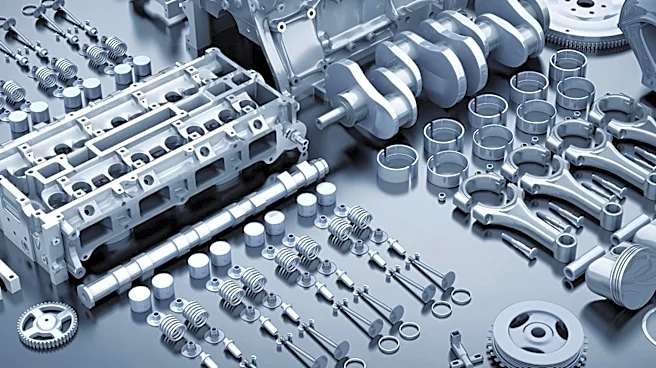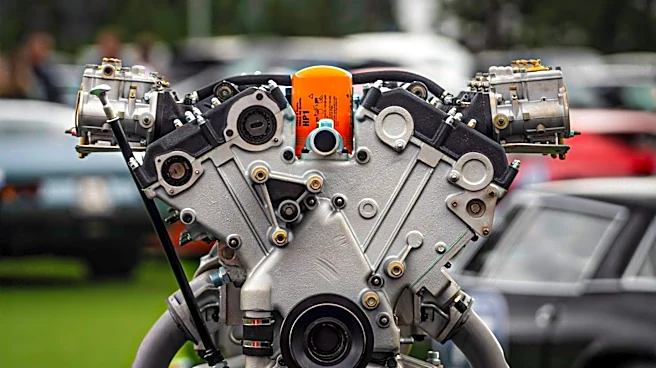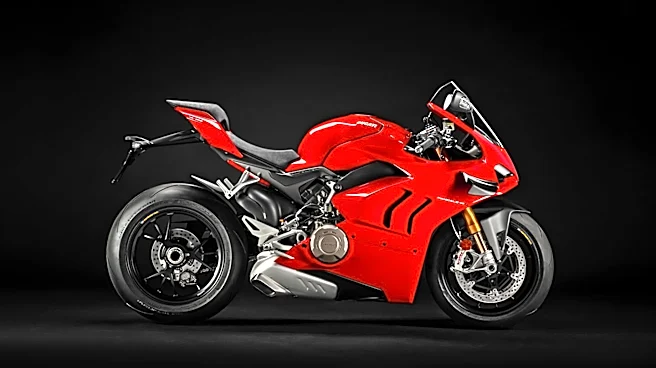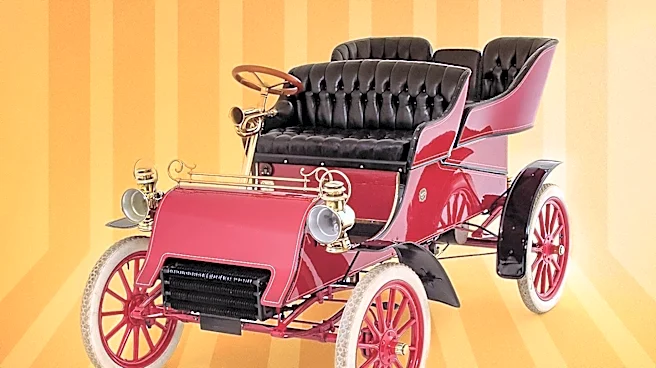

Engine stroke ratios have evolved significantly over the years, reflecting changes in automotive technology and consumer demands. The stroke ratio, defined as the bore divided by the stroke, has been a key
factor in engine design, influencing performance, efficiency, and the overall driving experience. This article explores the historical development of stroke ratios and their implications for modern engines.
Historical Context of Stroke Ratios
In the early days of automotive engineering, engines were often designed with undersquare configurations, where the stroke was longer than the bore. This design was favored for its ability to produce high torque at low engine speeds, which was essential for the heavy vehicles of the time. Many British and European manufacturers adopted this approach, partly due to tax regulations that favored smaller bore sizes.
As technology advanced, the focus shifted towards achieving higher power outputs and faster speeds. This led to the development of oversquare engines, where the bore is larger than the stroke. Oversquare engines are capable of higher revolutions per minute (RPM), making them ideal for performance-oriented vehicles. This shift was particularly evident in the mid-20th century, as sports cars and racing vehicles gained popularity.
Modern Trends in Stroke Ratios
Today, the trend in engine design is towards achieving a balance between power and efficiency. Many modern engines feature a near-square configuration, where the bore and stroke are approximately equal. This design offers a compromise between the high-speed capabilities of oversquare engines and the torque advantages of undersquare engines.
Manufacturers are also increasingly focusing on fuel efficiency and emissions reduction. Undersquare engines, with their longer strokes, can offer advantages in these areas by allowing for more complete combustion of the air-fuel mixture. This has led to a resurgence in the popularity of undersquare designs, particularly in smaller, fuel-efficient vehicles.
The Future of Stroke Ratios
As automotive technology continues to evolve, the future of stroke ratios will likely be influenced by advancements in materials and manufacturing techniques. These innovations could allow for more extreme bore and stroke configurations, pushing the boundaries of what is currently possible.
Additionally, the rise of electric and hybrid vehicles may impact the relevance of traditional stroke ratios. While internal combustion engines will likely remain a key component of the automotive landscape for the foreseeable future, the increasing focus on alternative powertrains could lead to new design considerations and priorities.
In conclusion, the evolution of engine stroke ratios reflects the broader trends and challenges in automotive engineering. As manufacturers strive to meet the demands of modern consumers and regulatory standards, the design of engine components like bore and stroke will continue to play a crucial role in shaping the future of transportation.