



Headbands, often seen as simple clothing accessories, boast a rich history rooted in practical utility, evolving from ancient hair wreaths to modern specialized gear. While they serve aesthetic purposes, their primary function has long been to manage hair, absorb sweat, or offer protection. This versatile item, whether a textile loop, a horseshoe-shaped piece of plastic, or a broad strip of fabric, has adapted across centuries to meet diverse human
needs, demonstrating its timeless relevance in both everyday life and specialized activities.
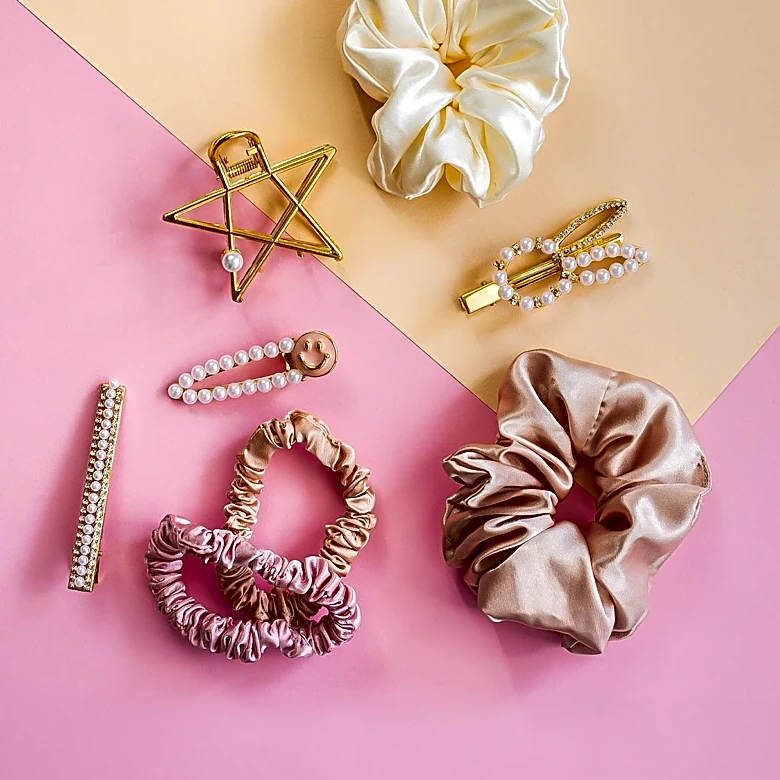
From their earliest forms, headbands were designed with practicality in mind. The ancient Greeks, as far back as 475 BC to 330 BC, wore hair wreaths for special occasions, a likely precursor to today's headbands. These early adornments, sometimes decorated with jewels by cultures like the Etruscans and Romans, served to keep hair in place during important events. Over time, the concept evolved, possibly influenced by scarves worn around the head or modified hat bands, always maintaining a core function of hair management.
In the early 20th century, a specific type of headband known as a "headache band" gained popularity among women. These wide headbands were believed to relieve or prevent headaches due to the pressure they applied around the forehead. The French referred to them as "bandeaux." Designs varied, with 1910s versions often featuring lacy crochet panels adorned with ribbons and rosettes, while those from the 1920s and 1930s were more dramatic, made from exotic fabrics and decorated with feathers, often paired with high fashion. Today, items called headache bands are strictly utilitarian and medical, highlighting a shift from fashion to pure function.
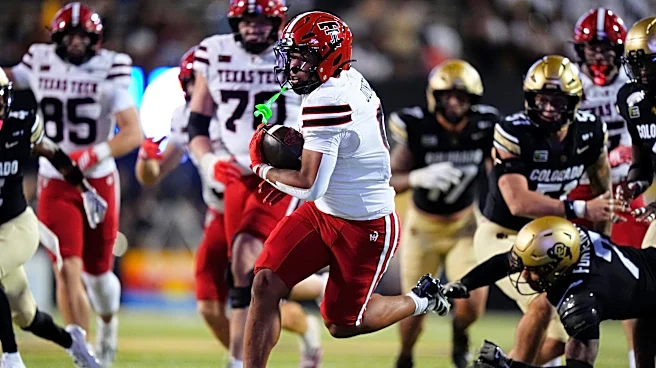
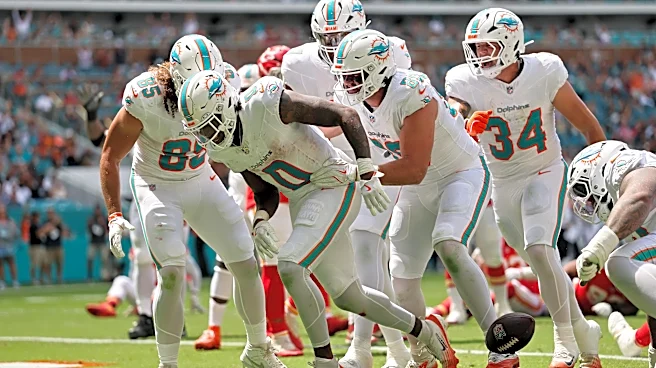
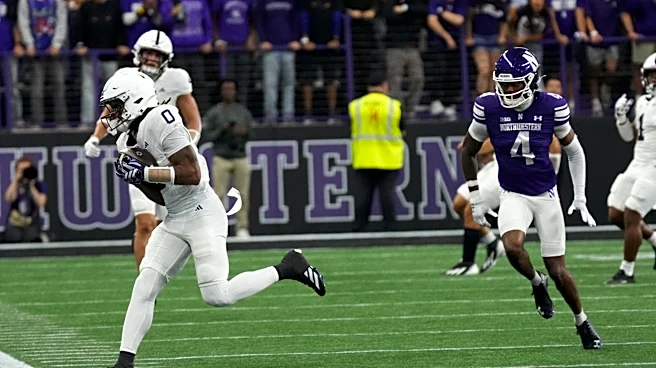
One of the most common utilitarian uses for headbands is as a sweatband during physical activity. These are worn around the forehead to absorb perspiration and prevent it from reaching the eyes. Sweatbands are frequently made from a continuous loop of terrycloth, a fabric known for its absorbency. Folded bandanas, typically knotted at the back of the head, also serve this purpose. While popular in sports, their widespread use as a fashion item declined after the late 1970s or early 1980s, though notable athletes like LeBron James continue to wear them during basketball games. This function extends to wristbands as well, serving a similar purpose.
Beyond sweat absorption, headbands also provide protection against cold and windy weather. These are sometimes called earbands and are constructed from a broad strip of heavy fabric, contoured to fit over the ears, forehead, and neckline. Compared to traditional winter hats, these headbands offer several advantages: they warm exposed skin with minimal disruption to a wearer's hairstyle, allow excess heat from strenuous exercise to escape through the top of the head, and require less storage space when not in use. This makes them a favored accessory for skiers, snowboarders, runners, and outdoor workers in cold conditions.
Specialized headbands are also available for aquatic activities, designed to prevent water from entering the ears while swimming. These are typically thin, made of neoprene, and fit very snugly around the head. They offer a practical solution for swimmers who need to protect themselves from conditions like swimmer's ear but find traditional earplugs or ear putty uncomfortable. Furthermore, padded headbands exist as protective equipment, particularly in sports like association football, though their actual protective capacity against head injury is considered minimal. For a brief period in Florida, foam "halos" were even mandated for girls' lacrosse, before being replaced by proper helmets, underscoring the ongoing evolution of headbands in protective gear.